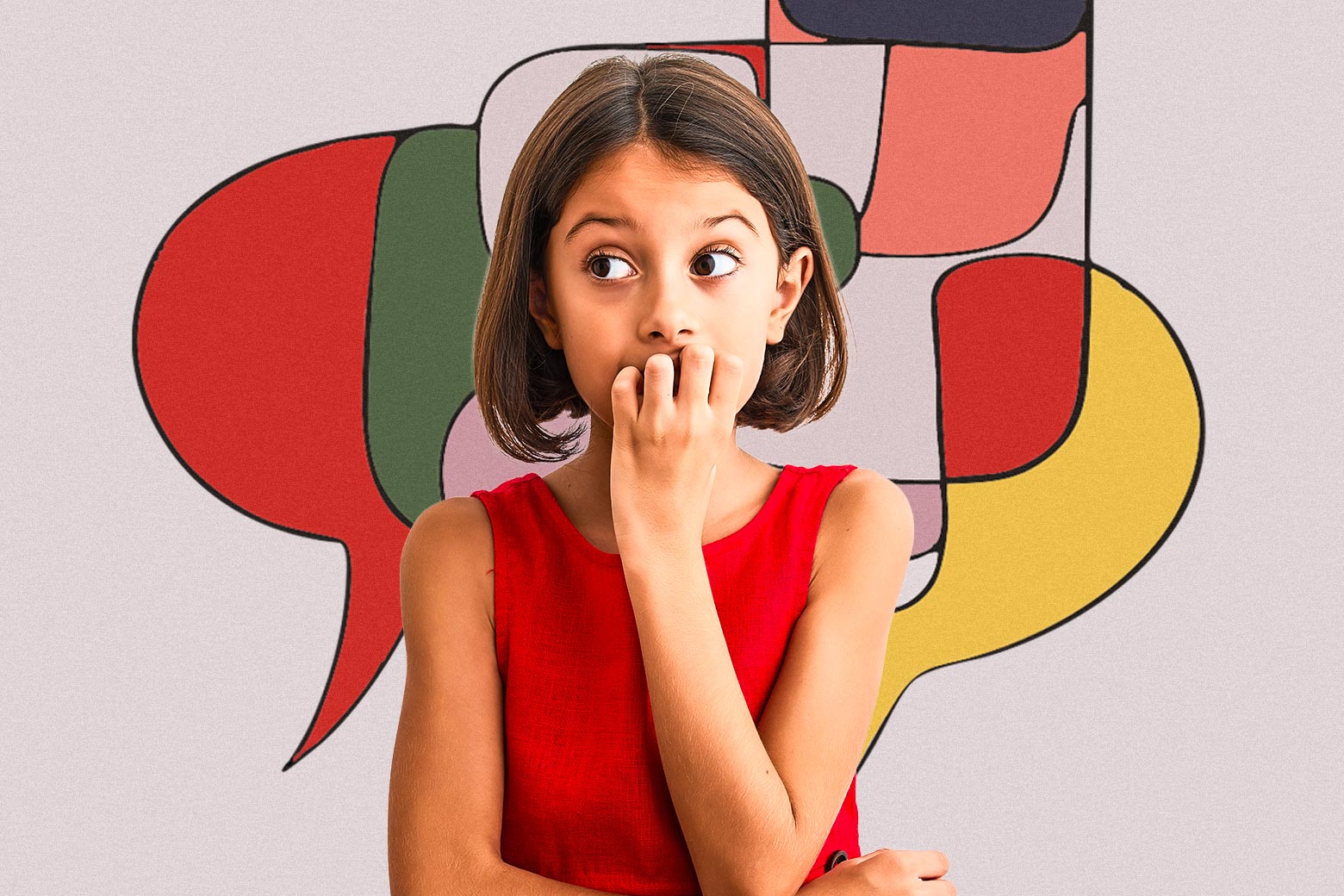
Why Calming an Anxious Child Might Be the Problem
As of May 26, 2026, parents are increasingly recognizing that efforts to shield children from anxiety—a practice often termed “accommodation”—frequently exacerbate the very condition they aim to soothe. This shift in psychological understanding highlights a critical need for families to pivot toward building resilience rather than removing all perceived stressors.
The “anxiety trap” is not merely a domestic challenge; it is a burgeoning public health concern that impacts school attendance, academic performance, and long-term emotional development. When parents engage in excessive accommodation—such as avoiding social situations, speaking for a child, or constantly reassuring them—they inadvertently signal that the world is inherently dangerous and that the child lacks the capacity to cope. This cycle creates a feedback loop where the child’s tolerance for discomfort diminishes, and the parent’s sense of control becomes tethered to the child’s temporary calm.
The Mechanics of Behavioral Accommodation
Psychologists distinguish between supportive parenting and accommodative parenting. While support provides a foundation for the child to face challenges, accommodation functions as a crutch that prevents the development of necessary internal coping mechanisms. In many urban centers, the pressure to maintain “perfect” academic and social profiles has led to an uptick in parental intervention that mirrors these maladaptive behaviors.
The systemic impact of this trend is visible in local school districts, where administrators report a rise in requests for social accommodations that arguably hinder a student’s ability to navigate standard classroom pressures. Addressing this requires a departure from traditional “comfort-first” models. Families often find that the most effective path forward involves professional guidance to dismantle these cycles.
“The goal of modern pediatric mental health is not the elimination of anxiety, which is a natural human emotion, but the development of tolerance. When we remove every obstacle, we rob the child of the opportunity to discover their own strength.”
Regional Infrastructure and Professional Support
In many jurisdictions, the lack of accessible, evidence-based mental health resources for families has left parents to navigate these complexities in isolation. Local governments are increasingly tasked with integrating mental health literacy into school curricula, yet the burden remains primarily on the family unit. Accessing qualified support is the primary bottleneck for many households.

For parents seeking to break the cycle of accommodation, identifying the right support is essential. Many families are turning to licensed child psychologists and family counselors who specialize in Cognitive Behavioral Therapy (CBT) and Exposure and Response Prevention (ERP). These professionals provide a structured environment for both the child to face manageable fears and the parent to learn how to step back without guilt.
the legal and institutional landscape regarding special education and student accommodations is evolving. Families often find themselves in complex negotiations with school boards regarding Individualized Education Programs (IEPs). Engaging with educational advocacy experts can bridge the gap between a student’s legitimate needs and the over-accommodation that might be detrimental to their growth.
Data-Driven Shifts in Parenting Paradigms
Recent shifts in the understanding of childhood anxiety mirror broader changes in the National Institute of Mental Health guidelines regarding anxiety management. The move away from avoidance-based coping strategies is supported by a growing body of research suggesting that gradual, supported exposure is the gold standard for long-term emotional health. What we have is not about being “tougher” on children; it is about being more intentional with the way we provide support.
Consider the following breakdown of traditional versus resilient-focused approaches:
| Strategy | Traditional Accommodation | Resilience-Based Support |
|---|---|---|
| Social Anxiety | Avoiding gatherings to prevent distress. | Encouraging attendance with a plan for early departure if needed. |
| School Refusal | Allowing the child to stay home. | Collaborating with teachers on a “soft-entry” protocol. |
| Constant Reassurance | Providing endless verbal comfort. | Validating feelings while asking, “What is your plan to handle this?” |
Bridging the Gap Between Intent and Impact
The transition from a protective, accommodative stance to one of empowerment is rarely linear. It involves a high degree of emotional labor for the parent, who must often confront their own anxieties about their child’s distress. The societal expectation that a “quality” parent is one who keeps their child happy at all times is a powerful narrative that requires dismantling.

As communities continue to grapple with the long-term effects of this psychological trend, the demand for specialized intervention will grow. Families struggling to navigate these waters should not wait for a crisis to occur before seeking expert counsel. Whether it is through certified parent coaches or clinical mental health practitioners, the professional resources exist to help families recalibrate their approach.
The anxiety trap is a quiet epidemic, one that thrives in the shadows of good intentions. By recognizing that our desire to soothe can sometimes be the very thing that prevents our children from flourishing, we take the first step toward a more resilient future. The path forward is not found in the removal of the world’s challenges, but in the quiet, steady work of preparing our children to meet them head-on. Securing the right guidance today is the most profound investment a parent can make in their child’s capacity to navigate the complexities of tomorrow.