Why Apple’s Foldable iPhone Won’t Threaten the Galaxy Z Fold 8 Yet
Why the iPhone Ultra Launch Won’t Immediately Threaten Samsung Galaxy Z Fold 8 Sales
As Apple prepares for a rumored entry into the foldable hardware market with its anticipated device currently referred to as the iPhone Ultra, industry analysts are weighing the immediate commercial impact on established competitors. According to a report by ChannelNews, Apple plans to unveil its inaugural foldable handset during a press event scheduled for September 8, 2026, alongside the iPhone 18 Pro and iPhone 18 Pro Max. Despite Apple’s brand equity and ability to capture market share, regional availability constraints and a substantial pricing delta mean that sales of the Samsung Galaxy Z Fold 8 and Galaxy Z Fold 8 Ultra are unlikely to face immediate disruption during the critical holiday shopping window.
The Tech TL;DR:
- Hardware Timing: Apple is expected to announce the iPhone Ultra on September 8, 2026, but initial shipments will be restricted geographically, omitting key markets like Australia and scaling slowly compared to worldwide releases.
- Pricing Friction: Estimated pricing positions the iPhone Ultra roughly AU$700 higher than the Galaxy Z Fold 8 Ultra and roughly AU$1,000 more expensive than the standard Galaxy Z Fold 8, creating an expansive barrier to entry.
- Form Factor Parity: According to reporting from Smartmania.cz, both devices utilize wide book-style architectures rather than narrow remote-control form factors, matching a 16:10 external display ratio.
Hardware Specifications and Regional Rollout Realities
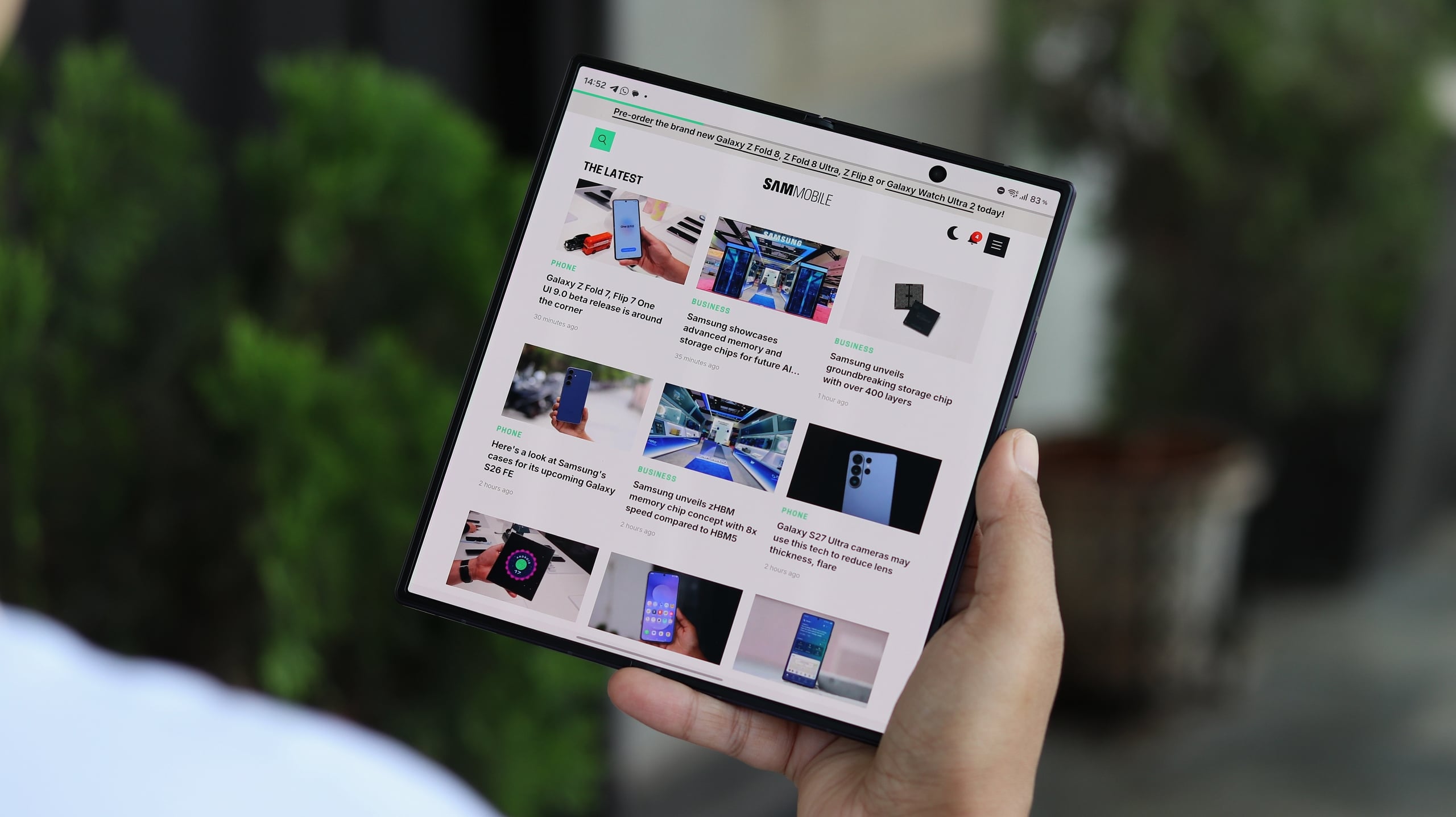
The architectural trajectory of foldable smartphones has matured past the narrow, highly elongated aspect ratios popularized by earlier generations. Samsung’s newly released Galaxy Z Fold 8 features an external 5.5-inch display paired with an inner 7.6-inch panel possessing an almost square 4:3 aspect ratio, according to SamMobile reporting. Insiders following Apple’s supply chain indicate that the iPhone Ultra will adopt a strikingly similar wide book-style construction, featuring a 5.5-inch outer screen and an inner OLED display ranging between 7.6 and 7.8 inches. Apple engineers have reportedly focused heavily on minimizing the central screen crease—a hardware hurdle that Samsung similarly addresses via its Flex Titanium display construction in the Fold 8 series.
However, architectural similarity does not translate to immediate supply chain parity. ChannelNews outlines a staggered deployment schedule where the iPhone 18 Pro series launches later in September 2026, while the iPhone Ultra remains restricted exclusively to the United States market at launch. Key international territories, including Australia, will not receive inventory during the initial distribution phase. For enterprise device deployment teams and consumers seeking immediate hardware upgrades, this regional bottleneck leaves Samsung’s established distribution networks unopposed in several major global markets.
Pricing Disparities and the Enterprise Impact
The Galaxy Z Fold 8 Ultra retails at approximately AU$2,999 (~$2,135 USD), while the standard Galaxy Z Fold 8 comes in at AU$2,699 (~$1,920 USD). In contrast, industry estimates place the iPhone Ultra at roughly AU$3,699 (~$2,635 USD). This leaves a gap of up to AU$700 against the Ultra-tier Samsung device and a staggering AU$1,000 difference when compared directly to the standard Galaxy Z Fold 8 model.

Furthermore, hardware compromises on Apple’s incoming device may deter power users. To optimize internal volume, Apple is reportedly dropping Face ID in favor of a side-mounted Touch ID sensor integrated into the power button—a functional approach Samsung has successfully deployed on its foldable lineup for years. Camera configurations on both devices also emphasize dual-sensor arrays rather than heavy periscope telephoto lenses, with Samsung utilizing dual 50-megapixel sensors and Apple anticipating a 48-megapixel fusion configuration. Lacking optical zoom advantages at an elevated price point, the iPhone Ultra faces a stringent adoption curve.
Supply Chain Momentum and Future Deployment Outlook
Samsung enters this competitive window with robust commercial momentum. Global pre-orders for the Galaxy Z Fold 8 and Galaxy Z Flip 7 successors have registered double-digit percentage increases compared to previous generations, signaling steady consumer acceptance of the wider 16:10 external display format. While Apple’s eventual entry into the foldable space validates the form factor for mainstream software developers—forcing teams to optimize UI layouts for square and tablet-sized viewports—the physical and financial constraints of the initial hardware drop minimize its near-term threat.
Until Apple scales manufacturing capacity and equalizes global pricing tiers, Samsung retains a secure runway to dominate the foldable category through the holiday retail cycle.
*Disclaimer: The technical analyses and security protocols detailed in this article are for informational purposes only. Always consult with certified IT and cybersecurity professionals before altering enterprise networks or handling sensitive data.*