
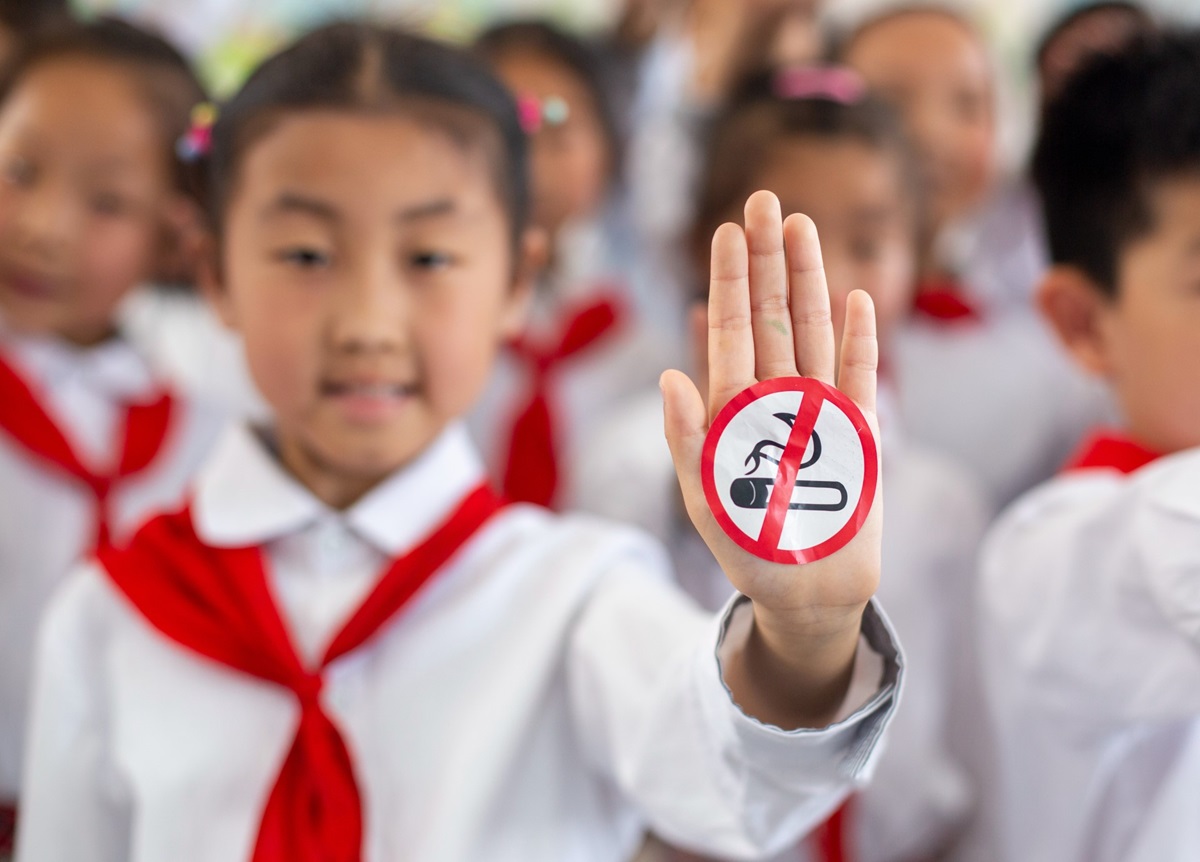
Global Tobacco Control Efforts Protect Billions Amid Industry Challenges
Table of Contents
- Global Tobacco Control Efforts Protect Billions Amid Industry Challenges
Dublin, Ireland – The World Health Organization (WHO) announced today that global tobacco control efforts now protect 6.1 billion people, approximately three-quarters of the world’s population [[2]]. This progress,however,faces increasing challenges from tobacco industry interference,according to the WHO’s new report on the Global Tobacco Epidemic 2025,launched at the world Conference on Tobacco Control in Dublin.
WHO’s MPOWER Initiative Drives Progress
The WHO report highlights the effectiveness of the MPOWER initiative, a set of six proven measures designed to reduce tobacco consumption, which still claims over 7 million lives annually [[1]].
Did You Know? The WHO Framework Convention on Tobacco Control (FCTC) has been a driving force in global tobacco control for two decades.
The MPOWER measures include:
- Monitoring tobacco use and prevention policies
- Protecting people from tobacco smoke with smoke-free air legislation
- Offering help to quit tobacco use
- Warning about the dangers of tobacco with pack labels and mass media
- Enforcing bans on tobacco advertising, promotion, and sponsorship
- Raising taxes on tobacco
Since 2007, 155 countries have implemented at least one MPOWER measure at the best-practice level. Brazil, Mauritius, the Netherlands, and Türkiye have fully implemented the package. Seven more countries,including Ethiopia,Ireland,Jordan,Mexico,new Zealand,slovenia,and Spain,are just one measure away from achieving full implementation.
Remaining Gaps and Challenges in Tobacco Control
Despite significant progress, the report identifies major gaps in global tobacco control.Forty countries still lack any MPOWER measures at the best-practice level, and over 30 countries permit cigarette sales without mandatory health warnings.
Pro Tip: Governments can significantly reduce tobacco use by increasing taxes on tobacco products, making them less affordable.
According to the WHO, 134 countries have not made cigarettes less affordable through taxation. Only 33% of people globally have access to cost-covered quit services, and best-practice advertising bans are in place in only 68 countries, covering just over 25% of the global population.
Graphic Health Warnings and Plain Packaging
The WHO Global Tobacco Epidemic 2025 report indicates that the most significant gains have been in graphic health warnings. 110 countries now require them, up from just 9 in 2007, protecting 62% of the global population. Additionally, 25 countries have adopted plain packaging.
| Measure | Countries Implementing | Global population Protected |
|---|---|---|
| Graphic Health Warnings | 110 | 62% |
| Plain Packaging | 25 | N/A |
| Smoke-Free environments | 79 | 33% |
The Rise of E-Cigarette Regulation
There is a growing trend to regulate e-cigarettes or Electronic Nicotine Delivery Systems (ENDS). The number of countries regulating or banning ENDS has increased from 122 in 2022 to 133 in 2024. However, over 60 countries still lack any regulations on ENDS.
Call to Action
The WHO is urging governments to take bold action to close remaining gaps, strengthen enforcement, and invest in proven tools to save lives. Dr. Ruediger Krech, Director of health Promotion, emphasized the need to accelerate progress on MPOWER and ensure that no one is left behind in the fight against tobacco.
What further steps should governments take to combat tobacco industry interference? How can access to smoking cessation programs be expanded globally?
Evergreen Insights: The Ongoing Battle Against Tobacco
The fight against tobacco is a long-term effort,requiring continuous adaptation to the evolving tactics of the tobacco industry.public health campaigns, stricter regulations, and international cooperation are essential to reducing tobacco use and its devastating health consequences. The WHO Framework Convention on Tobacco control (FCTC) provides a roadmap for countries to implement effective tobacco control measures.
Frequently Asked Questions About tobacco Control
What is tobacco control?
Tobacco control refers to a range of measures aimed at reducing the prevalence of tobacco use and its harmful effects on public health.
Why is tobacco control significant?
Tobacco use is a leading cause of preventable death and disease worldwide. tobacco control efforts save lives and reduce healthcare costs.
What are the benefits of quitting tobacco?
Quitting tobacco has numerous health benefits, including reduced risk of heart disease, cancer, and respiratory illnesses. It also improves overall quality of life.
Disclaimer: This article provides information about global tobacco control efforts and is not intended to provide medical advice. Consult with a healthcare professional for personalized guidance on quitting tobacco.
Share this article and join the conversation! What are your thoughts on the progress of global tobacco control? Subscribe to World Today News for more updates.
