White House ballroom project revived after Correspondents’ Dinner shooting
The first shot at the Washington Hilton on April 25, 2026, sent Cabinet members and journalists diving for cover as armed agents flooded the dais, their urgent commands cutting through the evening’s planned festivities. Within hours, the chaos became a rallying point for supporters of a controversial White House expansion. Officials, including former President Donald Trump and some Democratic lawmakers, framed the incident as evidence that a stalled $400 million ballroom—long criticized as an unnecessary expenditure—was now an urgent priority.
The Ballroom That Wasn’t Supposed to Happen
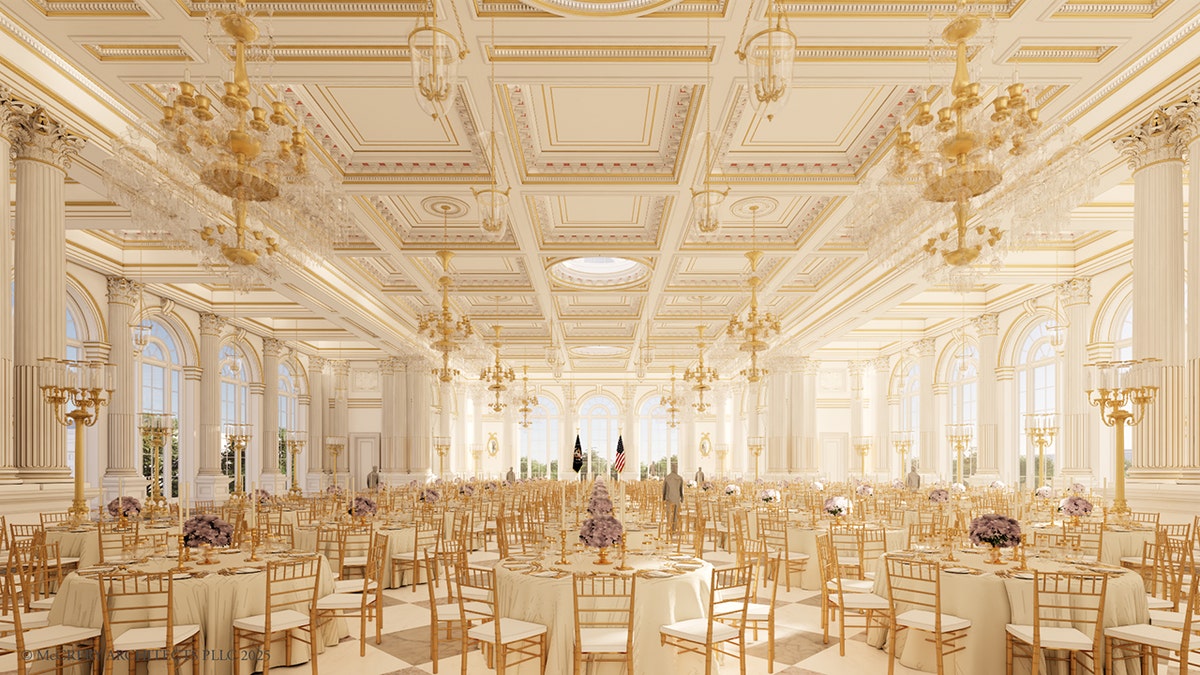
The East Wing of the White House is now a construction zone, its facade dismantled to make way for a project that has faced years of legal and political hurdles. The proposed ballroom, initially proposed during Trump’s presidency, was recently paused by a federal judge who permitted only the construction of a secure bunker to proceed. The ruling marked a rare setback for a project that Trump has repeatedly defended in public statements and social media posts, arguing it was essential for security and functionality.
Trump’s response to the shooting was immediate. In a post on Truth Social early Sunday, he wrote,
“What happened last night is exactly the reason that our great Military, Secret Service, Law Enforcement and, for different reasons, every President for the last 150 years, have been DEMANDING that a large, safe, and secure Ballroom be built ON THE GROUNDS OF THE WHITE HOUSE.”
Supporters of the project argue that the Washington Hilton, the longtime venue for the Correspondents’ Dinner, presents security challenges due to its layout and accessibility. The proposed ballroom, Trump claimed, would be situated within the White House complex, equipped with advanced security measures and shielded from external threats. Some officials suggested that such a facility could have mitigated the risks that materialized during the recent incident.
Critics, however, have long questioned the project’s necessity and cost. Many lawmakers and security experts have described it as an extravagant use of funds, citing the $400 million price tag and concerns about transparency in its planning. The federal judge’s ruling, which allowed only the bunker to proceed while halting other construction, highlighted the legal and ethical uncertainties surrounding the project. Now, with the shooting fresh in public memory, those concerns are being overshadowed by arguments that the ballroom is not a luxury but a critical security upgrade.
The Dinner That Became a Liability
For Weijia Jiang, president of the White House Correspondents’ Association, the evening was intended to mark a return to normalcy between the press and the Trump administration. After months of planning, the dinner drew a packed crowd of journalists, executives, celebrities, and officials, including Vice President JD Vance, Secretary of Defense Pete Hegseth, and Health and Human Services Secretary Robert F. Kennedy Jr. It was Trump’s first appearance at the event as president, and the atmosphere was cautiously optimistic.
Jiang, who was on stage with Trump when the shots were fired, later recounted the moment in an interview with CBS News. The president had been in good spirits, reflecting on his past attendance at the dinner during Barack Obama’s presidency. According to Jiang, Trump remarked that he had not been bothered by the jokes directed at him at the time. Moments later, as the mentalist Oz Pearlman prepared to reveal the name of Karoline Leavitt’s unborn child—a stunt that had captivated the audience—armed agents rushed the stage, their shouts cutting through the applause.
For more on this story, see Rudy Giuliani: Critics Should Support the White House’s Larger, More Secure Ballroom for Events.
The aftermath underscored the vulnerabilities of the Washington Hilton as a venue for high-profile events. The hotel’s multi-story layout and open access points complicated efforts to secure and evacuate attendees. Health and Human Services Secretary Robert F. Kennedy Jr. was surrounded by agents, while his wife, Cheryl Hines, navigated the chaos alone. Speaker Mike Johnson, separated from his spouse during the incident, had to dispatch armed officers to locate her. For staff and advisers without personal security details, the response was even more disjointed. Reports from outlets such as The Atlantic noted that many were left to manage the situation independently as agents prioritized protecting the president and other senior officials.
The shooting did more than expose a security gap—it highlighted the dinner’s precarious position as both a media tradition and a potential liability. For years, critics have argued that the event blurs the line between journalism and access, turning reporters into participants in a spectacle they are meant to cover objectively. Trump’s decision to attend this year, after a long absence, was seen as an effort to mend that relationship. Instead, the incident has provided ammunition to those who view the dinner as an outdated tradition that unnecessarily endangers participants.
The Partisan Playbook: Crisis as Catalyst
The rapid repurposing of the shooting to justify the ballroom project reflects a familiar political strategy: using crises to advance stalled priorities. Within hours, Trump’s allies were positioning the ballroom as the logical solution to the security failures exposed by the incident. Reports indicated that even some Democratic lawmakers, who had previously opposed the project, were now reconsidering their stance in light of the shooting. The message was unmistakable: opposition to the ballroom was no longer just politically inconvenient but potentially indefensible.
Proponents of the project are not relying solely on the shooting to make their case. They are also framing it within broader discussions about presidential security and the challenges faced by the Secret Service. The agency, already stretched thin by the demands of protecting a former president who remains a polarizing figure, has long advocated for expanded facilities to host large events. The proposed ballroom, with its promised high-level security features, aligns with that vision. Critics, however, argue that the project’s emphasis on grandeur suggests motives beyond security. They point out that the $400 million cost could instead fund upgrades to existing facilities or enhance security at off-site venues like the Washington Hilton.
This follows our earlier report, Trump administration files emergency motion to resume ballroom work, citing security issues – Reuters.
The debate over the ballroom also touches on deeper questions about the balance between security and transparency in the White House. The Correspondents’ Dinner, despite its flaws, has historically provided a rare opportunity for unscripted interaction between the press and the president. Moving it to a secure White House ballroom could reduce logistical risks, but it might also further isolate the administration from media scrutiny. As Jiang noted in her account, the dinner was intended to be a bipartisan space where the press and the administration could engage without partisan posturing. That vision now appears more uncertain than ever.
What Happens Next: Scrutiny or Surrender?
The ballroom project now faces a pivotal moment. The shooting has given its supporters a compelling argument, but it has also intensified scrutiny of its necessity and cost. Congressional hearings are expected, with lawmakers from both parties likely to demand details about the project’s design, security features, and budget. Legal challenges could further delay construction, particularly if opponents argue that the shooting is being used to justify a project that was already controversial.
For the White House Correspondents’ Association, the path forward is equally unclear. The future of the dinner—whether it returns to the Washington Hilton or moves to a more secure location—will depend on how the organization balances its commitment to press access with the realities of security. Jiang’s account of the night’s events makes one thing evident: the dinner’s traditional format is no longer viable. The question remains whether the solution lies in a $400 million ballroom or a more modest alternative.
The shooting has accelerated a debate that was already underway. The ballroom project has become a focal point for discussions about how crises are used to shape policy. The outcome will not only determine whether the project moves forward but also set a precedent for how the White House responds to future threats. For now, the East Wing remains a construction site, a tangible symbol of the tensions between security, spectacle, and the public’s right to information.