
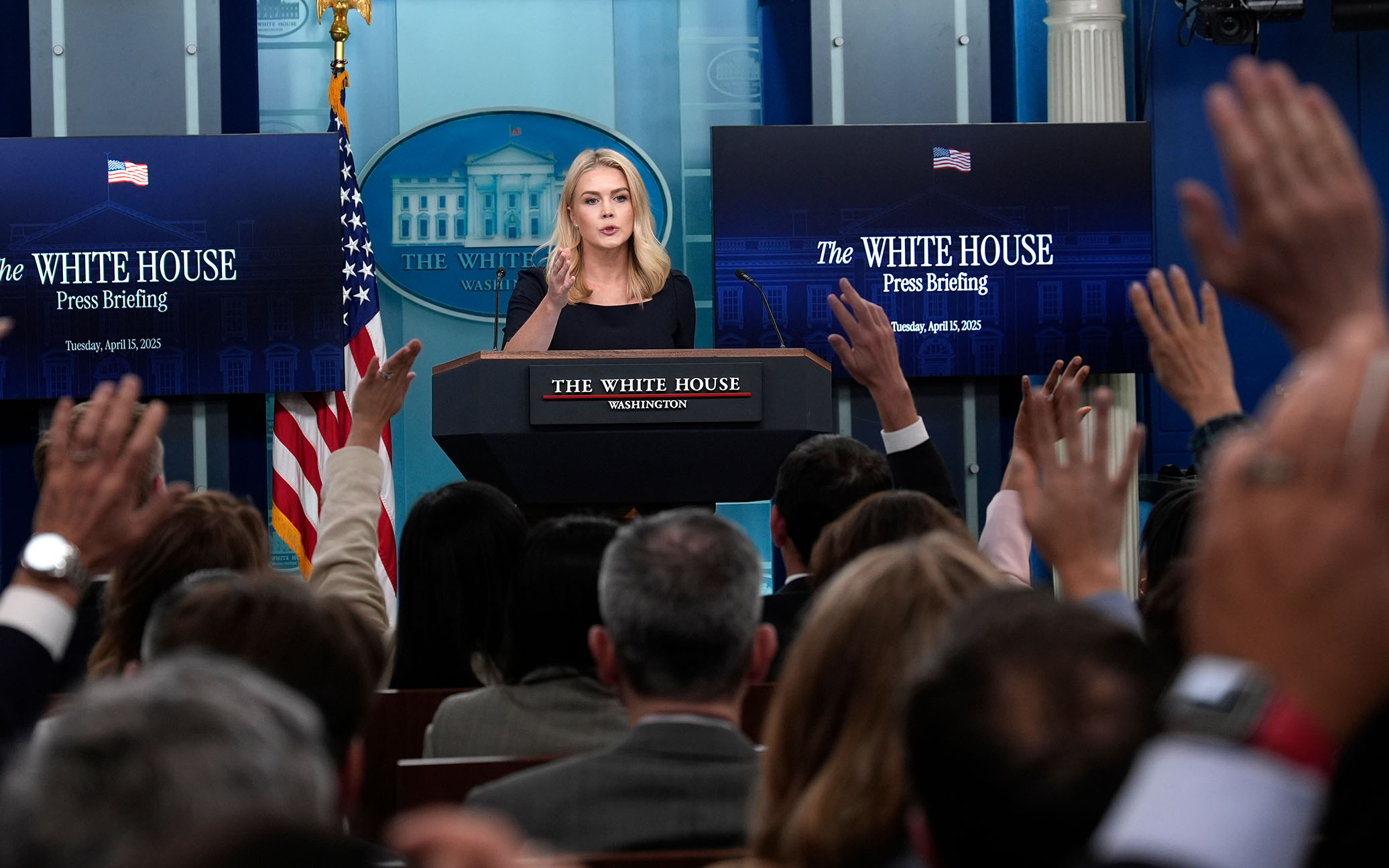
Lawsuit Filed over White House’s Lack of Sign Language Interpreters
Disability advocates are taking legal action against the Trump White House following the abrupt cessation of american Sign Language (ASL) interpreters at press briefings and public events. The National Association of the Deaf (NAD) filed a lawsuit in the U.S. District Court for the District of Columbia after repeated requests for ASL interpreters were allegedly ignored.
Allegations of Discrimination and Legal Violations
The federal complaint asserts that the absence of interpreters violates Section 504 of the Rehabilitation Act and the First Amendment of the U.S. Constitution.The lawsuit contends that the White House’s failure to provide qualified ASL interpreters during public press briefings and related events is unlawful.
Did You Know? ASL is the primary language for an estimated 250,000 to 500,000 Americans.
According to the complaint, federal law unequivocally prohibits discrimination against individuals with disabilities, mandating meaningful access to federal government programs and services. The NAD argues that failing to provide ASL interpreters deprives deaf individuals of this access.
ASL’s Importance and the Shortcomings of Captioning
ASL is a distinct language with its own grammar and structure, making closed captioning insufficient for many ASL speakers. The lawsuit was also filed by two deaf individuals who reported difficulty understanding closed captioning.
Past Legal Action and Policy Changes
this is not the first time the NAD has pursued legal action on this matter. In 2020, a federal district court mandated that the White House provide interpreters for all coronavirus-related briefings. Subsequently, a policy was implemented to provide ASL interpreters for press briefings conducted by the president, vice president, first lady, second gentleman, or the White House press secretary.
Under the Biden administration, ASL interpreters were reportedly included in all public briefings, press conferences, and related events involving the president, vice president, and press secretary. However, this practice allegedly ceased when President Donald Trump assumed office in January.
NAD’s Stance and Demands
Bobbie Beth Scoggins, interim chief executive officer at the National Association of the Deaf, stated that deaf and hard-of-hearing Americans have the right to the same access to white House information as everyone else. She emphasized that denying them ASL interpreters is a direct violation of that right, and the NAD will continue to fight for their full inclusion in the democratic process. Scoggins asserted that information must be provided not only through captioning but also in American Sign Language.
Pro Tip: When covering accessibility issues, always consult with disability advocacy groups to ensure accurate and respectful reporting.
The lawsuit names Trump, White House Chief of Staff Susie Wiles, and Press Secretary Karoline Leavitt. The NAD seeks the inclusion of ASL interpreters at all White House press briefings and other public events, with interpreters visible in broadcasts of these events.
White House Response
As of the filing of the lawsuit, the White House has not responded to requests for comment.
Key Figures in the Lawsuit
| Name | Role |
|---|---|
| donald Trump | Defendant |
| Susie Wiles | White House Chief of Staff, Defendant |
| Karoline Leavitt | White House Press Secretary, defendant |
| National Association of the Deaf | Plaintiff |
questions for Discussion
Should ASL interpretation be legally mandated at all government press briefings? What are the broader implications of accessible communication in a democracy?
Evergreen Insights: The Importance of ASL Interpretation
The debate over ASL interpretation at White House briefings highlights a long-standing issue of accessibility for the deaf and hard-of-hearing community. Access to real-time information is crucial for civic engagement, and ASL provides a direct and extensive means of communication for those who rely on it. the legal arguments presented by the NAD underscore the government’s duty to ensure equal access to information, nonetheless of disability. this case also brings attention to the limitations of relying solely on captioning, which may not fully capture the nuances and context of spoken language for ASL users.
Frequently Asked Questions About the Lawsuit
Why is the National Association of the Deaf suing the White House?
The National association of the Deaf (NAD) is suing the White House because of the alleged failure to provide American Sign Language (ASL) interpreters at press briefings and other public events. The NAD argues this violates Section 504 of the Rehabilitation Act and the First Amendment of the U.S. Constitution.
What specific legal violations are alleged in the lawsuit?
The lawsuit alleges violations of Section 504 of the Rehabilitation Act, which prohibits discrimination against individuals with disabilities, and the First Amendment, arguing that the lack of ASL interpreters deprives deaf individuals of meaningful access to government information.
why is closed captioning considered insufficient for ASL users?
ASL is a distinct language from English, with its own grammar and structure. Closed captioning, which transcribes spoken english, does not adequately convey the nuances and meaning of communications for many ASL users.
Has the National Association of the Deaf taken legal action on this issue before?
Yes, in 2020, the NAD successfully sued the White House to provide ASL interpreters for coronavirus-related briefings. A policy was subsequently implemented to include interpreters at briefings conducted by key White House officials.
Who is named in the lawsuit besides Donald trump?
Besides Donald Trump, the lawsuit also names White House Chief of Staff Susie Wiles and press Secretary Karoline Leavitt.
what is the National Association of the Deaf hoping to achieve with this lawsuit?
The NAD aims to ensure that ASL interpreters are included at all White House press briefings and public events,and that these interpreters are visible in broadcasts to provide equal access to information for deaf and hard-of-hearing Americans.
Disclaimer: This article provides general information and should not be considered legal advice. Consult with a legal professional for advice tailored to your specific situation.
Share your thoughts: how can we ensure better accessibility for all?
