
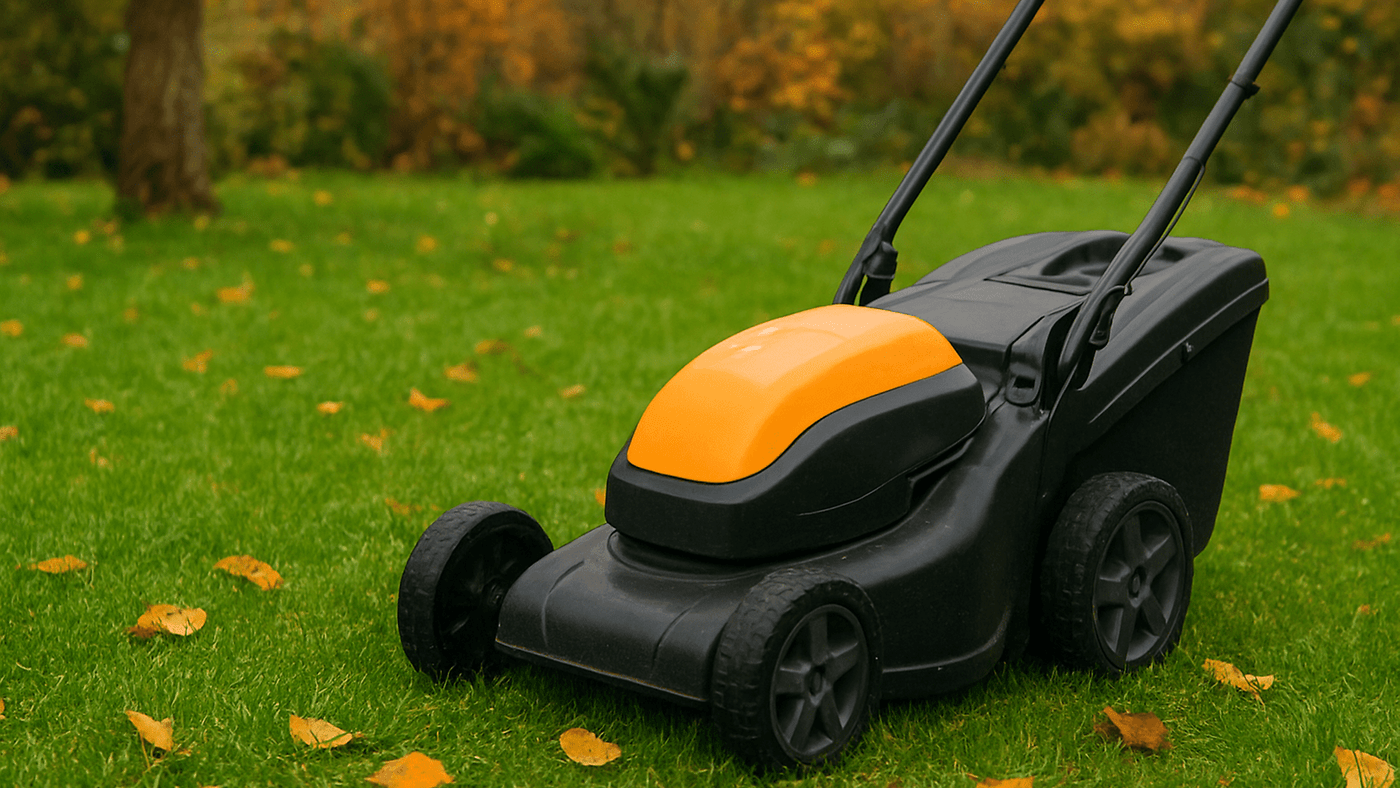
Don’t Mow Now: Experts Say Timing is Key to Winter Lawn Health
As temperatures drop,homeowners are being advised to cease lawn mowing to protect their grass through the winter months. Conventional and robotic lawn mowers can actually harm lawns when used in frosty or wet conditions, possibly preventing growth.
The ideal time to stop mowing isn’t based on a specific date, but rather on grass growth and temperature. Experts recommend halting mowing when temperatures consistently fall below ten degrees Celsius (approximately 50 degrees Fahrenheit), as this significantly slows growth. This typically falls between the end of September and the beginning of November, depending on the region.
Before winter sets in, a final cut slightly higher than usual - around 3.5 to 4 centimeters – is recommended. This height provides insulation for the roots and sufficient leaf mass for photosynthesis. Additionally, removing leaves and clippings is crucial, as they can trap moisture and block air circulation, fostering moss growth.
Beyond simply stopping the mower, fall is also an opportune time for lawn regeneration through scarifying, aerating, reseeding, and applying autumn fertilizer, particularly if the lawn experienced poor growth during the summer. Trimming overgrown lawn edges can also act as a barrier to weeds and protect plant roots.
