
## Mosquito mating: A Female-Controlled, species-Specific Process
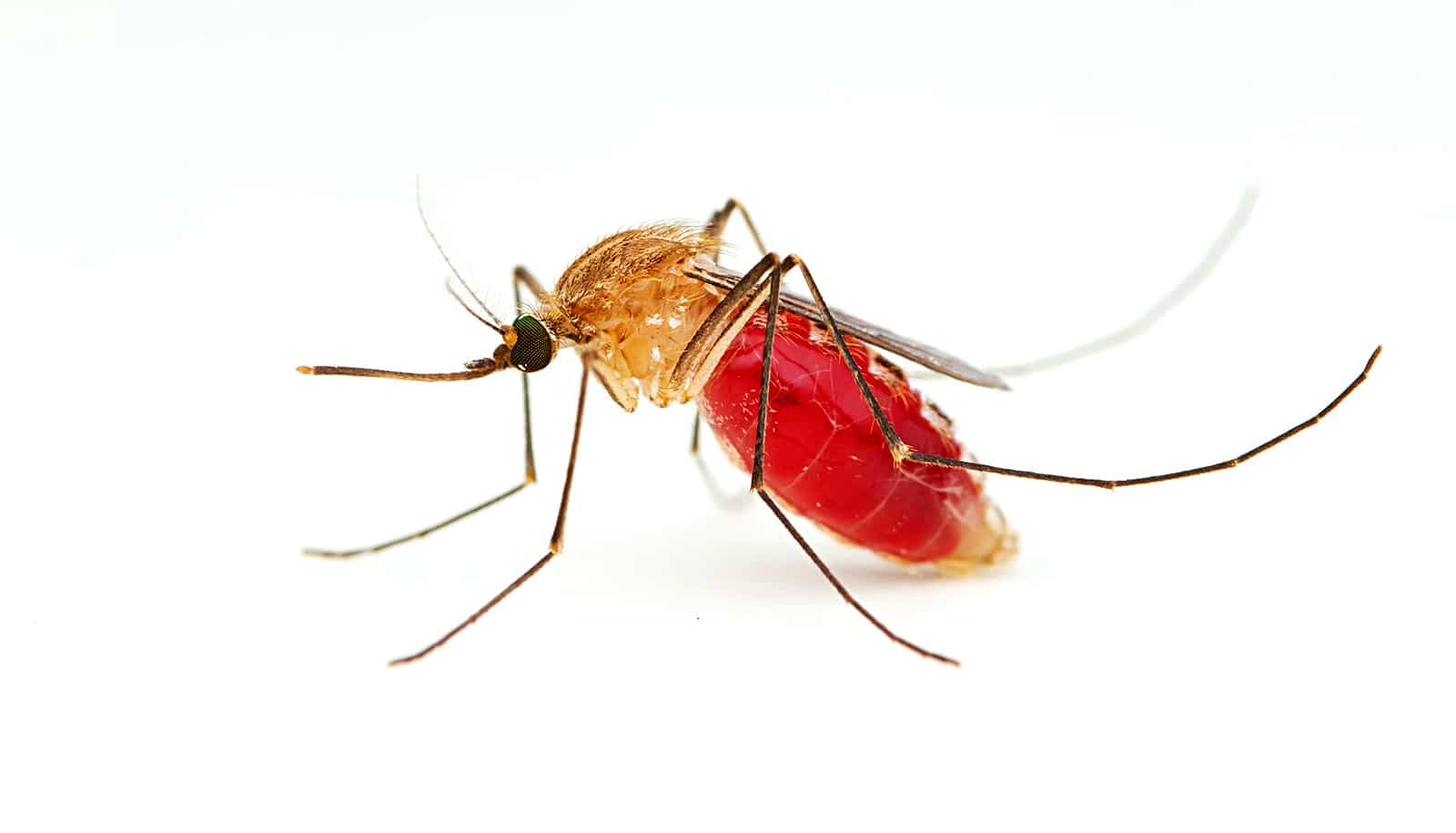
Recent research from Rockefeller University has revealed intricate details of the mating process in two significant mosquito species: *Aedes aegypti* (yellow fever mosquito) and *Aedes albopictus* (Asian tiger mosquito). These mosquitoes are vectors for numerous viruses impacting human health, including yellow fever, dengue, Zika, and Chikungunya. The study, led by Houri-Zeevi and colleagues, focused on the step-by-step interactions during mating, analyzing pairings both within and between species, and including both virgin and previously mated females.
Using high-speed,high-resolution cameras,deep learning,and transgenic mosquitoes with fluorescent sperm,the researchers identified a consistent three-step process for successful mating in both species. This process begins with the male contacting the female’s genitalia with his genital tip. the female then determines whether to elongate her genital tip to approximately twice its resting length – a crucial step; without this elongation, mating cannot proceed. If elongation occurs, the male’s internal genitalia interlocks with the female’s tip, facilitating sperm transfer.
The key to triggering this female response in *Aedes aegypti* was found to be rapidly evolving male structures called gonostyli.These structures are inserted into the female genital tip and vibrate during copulation attempts.Importantly,the study demonstrated that once a female mosquito has successfully mated,she will not elongate her genital tip again,effectively preventing further insemination.
While this tip elongation mechanism is shared between the two species – despite diverging approximately 35 million years ago – differences exist, suggesting a species-specific “lock-and-key” relationship between male and female genitalia. This is further supported by the fact that *Aedes aegypti* and *Aedes albopictus* cannot produce viable offspring.
Interestingly,researchers observed that male Asian tiger mosquitoes,possessing significantly larger gonostyli than thier *Aedes aegypti* counterparts,can “override” the mating control of yellow fever females and achieve mating *without* the typical female genital tip elongation. This “lock picking” behavior was only observed in cross-species mating attempts, not within the same species.
This finding possibly explains observations by entomologists in the southern United states, where the introduction of Asian tiger mosquitoes often correlates with a decline or disappearance of yellow fever mosquito populations.
The research also has implications for mosquito population control strategies that rely on sterile male pairings with wild females, highlighting the importance of understanding the compatibility between genetically modified males and local wild populations.
Future research will focus on deciphering the neuronal mechanisms underlying the female’s decision-making process during mate selection, aiming to understand “how she chooses between different suitors given that it’s a once-in-a-lifetime choice.”
(Source: Rockefeller university - https://www.rockefeller.edu/news/38501-when-it-comes-to-mating-female-mosquitoes-call-the-shots)
