
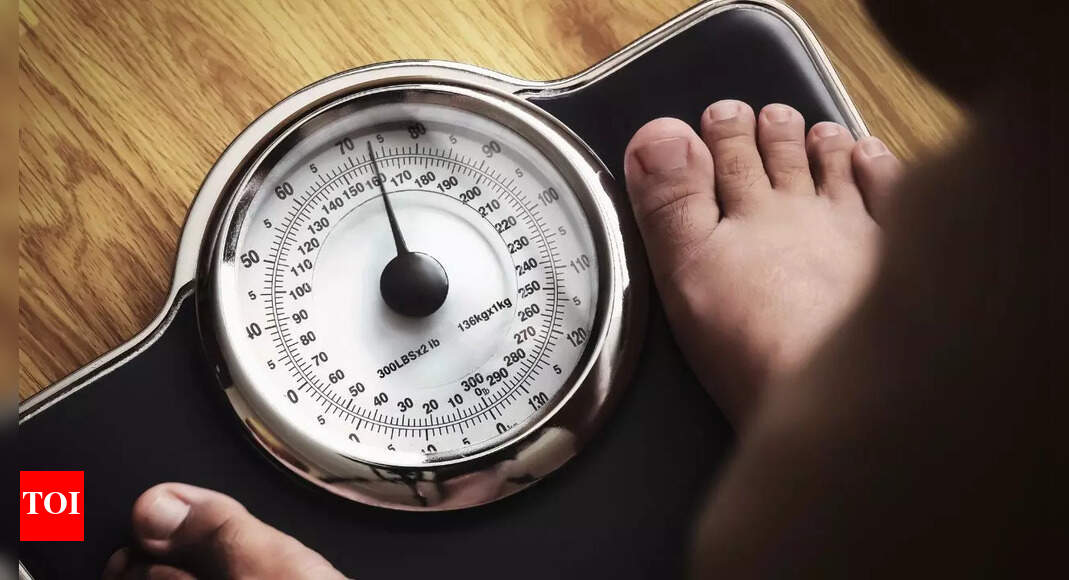
Finding your Ideal Weight: Experts Weigh In
New York, NY – September 9, 2025, 23:36:44 EDT – Determining a “healthy” weight isn’t as simple as consulting a chart. While Body Mass Index (BMI) has long been a standard, health professionals increasingly emphasize a personalized approach, factoring in height, muscle mass, bone density, and overall health status to pinpoint an ideal weight range. This shift comes as research highlights the limitations of BMI and the importance of body composition for long-term well-being.
For decades, BMI – calculated by dividing a person’s weight in kilograms by the square of their height in meters – has served as a primary screening tool for weight categories like underweight, normal weight, overweight, and obese. However, BMI doesn’t differentiate between muscle and fat, potentially misclassifying athletic individuals as overweight. A growing body of evidence suggests focusing on a weight that supports optimal health markers, such as blood pressure, cholesterol levels, and blood sugar control, is more crucial than hitting a specific number on the scale. This impacts an estimated 73.6% of U.S. adults considered overweight or obese as of 2024, according to the CDC, and has implications for preventative healthcare strategies.
Beyond BMI: A Personalized Approach
Experts now advocate for considering a healthy weight range rather than a single ideal number. Dr. Katherine Hall, a registered dietitian, explains, ”There’s no magic weight.It’s about finding a weight were you feel your best, have energy, and aren’t at increased risk for chronic diseases.” A generally accepted healthy BMI range is 18.5 to 24.9, but this translates to varying weight ranges depending on height.
Such as, a person who is 5’10” (178 cm) would fall within a healthy weight range of approximately 132 to 176 pounds (60 to 80 kg). however, a muscular athlete of the same height might healthily weigh more due to increased muscle mass. Factors like age, sex, and ethnicity also play a role.
calculating a Healthy Weight Range
While a healthcare professional provides the most accurate assessment, individuals can use online calculators as a starting point. The National Heart, Lung, and Blood Institute (NHLBI) offers a BMI calculator and resources on achieving and maintaining a healthy weight: health is the most significant goal.” Future research will likely refine these guidelines further, incorporating advancements in body composition analysis and personalized medicine.
