What Are the Nobel Prizes: History, Categories and Winners
The Nobel Prizes are scheduled to be announced starting with physiology or medicine on Monday and concluding with economics on October 12, accompanied by a recently increased prize amount of 12 million Swedish crowns ($1.21 million).
Alfred Nobel and the Creation of the Five Original Categories
The awards stem from the will of wealthy Swedish chemist, entrepreneur, and dynamite inventor Alfred Nobel. Nobel dictated that the bulk of his estate should fund prizes for those who conferred the greatest benefit to humankind during the preceding year. Fluent in Russian, French, English, and German by age 17, Nobel established five original prize categories reflecting his diverse interests: physics, chemistry, physiology or medicine, literature, and peace.
Nobel spent much of his career developing weapons technologies, accumulating a substantial fortune. Later in life, he befriended Austrian peace activist Bertha von Suttner. Von Suttner became the first woman to win the peace prize in 1905, and historical accounts indicate her influence motivated Nobel to include peace as a prize category.
Nobel died in 1896. A legal battle over his will delayed the presentation of the first awards until 1901.
Institutions Responsible for Selecting Laureates
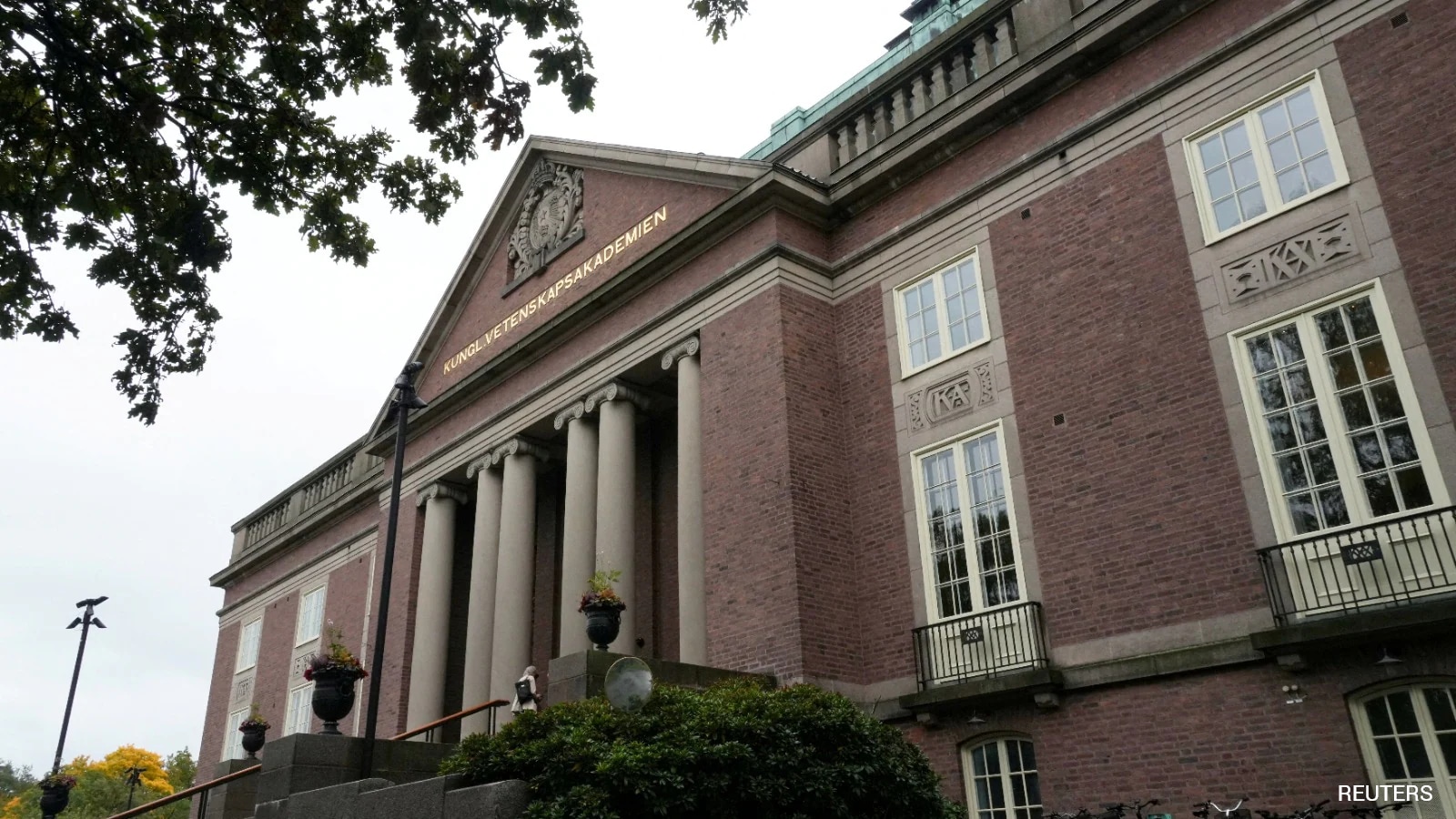
Nobel designated specific institutions to award the prizes across Sweden and Norway. The Royal Swedish Academy of Sciences selects winners for physics and chemistry. The Swedish Academy handles literature, while Sweden’s Karolinska Institute medical university awards the prize for physiology or medicine. The Norwegian parliament, or Storting, selects the recipient of the peace prize. The reasoning behind selecting Norway for the peace prize remains unclear, though historians suggest it may relate to the political union linking Sweden and Norway at the time Nobel drafted his will.
A sixth category, the Prize in Economic Sciences in Memory of Alfred Nobel, was established in 1968 by Sweden’s central bank to mark its 300th anniversary. Funded through a donation to the Nobel Foundation, this prize is awarded by the Royal Swedish Academy of Sciences using the same principles as the original awards.
Notable Laureates Include Multiple Winners and Controversial Selections
Prominent figures recognized by the prize include physicists Albert Einstein and Niels Bohr, authors Ernest Hemingway and Albert Camus, and leaders Nelson Mandela and Mother Teresa. Marie Curie remains part of the most successful Nobel Prize family, having won twice alongside her husband, daughter, and son-in-law. Only five individuals have won multiple Nobel prizes, with American chemist and peace activist Linus Pauling standing as the sole recipient of two unshared awards.
Certain selections have faced substantial criticism or aged poorly over time. Egas Moniz received the 1949 medicine prize for the development of lobotomy, a practice later discredited. The peace prize has drawn frequent controversy for awards given to Henry Kissinger, Yasser Arafat, Yitzhak Rabin, and Shimon Peres. The committee's failure to award the peace prize to Mahatma Gandhi before his assassination in 1948 is widely regarded as a significant oversight.
Annual Ceremonies and Banquets Honor the Prizes in December
Formal presentations take place annually on December 10, marking the anniversary of Nobel’s death. The chairman of the Norwegian Nobel Committee presents the peace prize in Oslo, while the Swedish king hands out the remaining prizes at the Stockholm Concert Hall.
Following the ceremonies, approximately 1,300 guests attend a banquet at Stockholm City Hall. Chefs and sommeliers plan the Nordic-themed menu months in advance, keeping the food selections strictly confidential until 200 waiters serve the meal.