We Are Jane Doe: Women Fight Sexual Abuse at California Women’s Prison
Aliksandria Prout stepped forward as Jane Doe No. 1 in a three-part investigative series titled “We Are Jane Doe,” produced by KQED’s Snap Judgment podcast and featured on NPR’s The Sunday Story. Reporting by Madi Bolanos, Anna Sussman, and Sukey Lewis documents how 13 incarcerated women fought back against jailers who sexually assaulted them at the Central California Women’s Facility in Chowchilla, California.
The Arrest and Arrival at Central California Women’s Facility
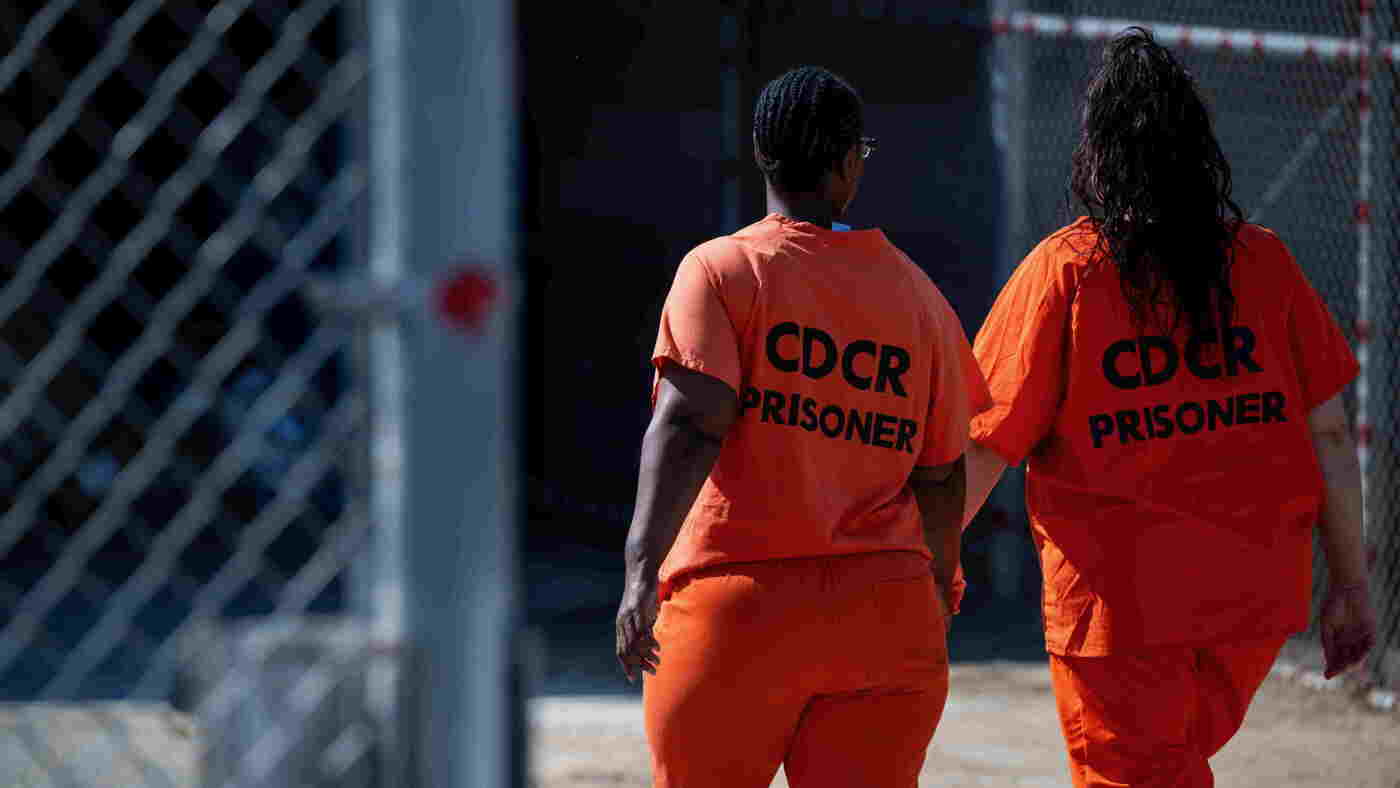
Ali Prout grew up in the suburbs outside Sacramento as the firstborn daughter in an immigrant family, working as a medical technician and raising three children before a bitter custody battle upended her life in late 2021. Police arrived at her home while she was holding her six-week-old daughter, serving two felony no-bill warrants stemming from text messages sent during the custody dispute. Charged with felony stalking for violating a restraining order, Prout received a three-year prison sentence for a nonviolent offense. Her intake process at the Central California Women’s Facility involved guards unshackling new arrivals, ordering them to strip, issuing oversized mu-mu gowns, running them through a body scanner, and handing out orange clothing and black-and-white platform shoes before marching them onto the yard.
Sprawling Infrastructure and Harsh Conditions on A-Yard
The Central California Women’s Facility near Chowchilla spans a massive complex of housing units, interlocking hallways, checkpoint gates, and barbed wire, holding about 2,000 people as one of the largest women’s prisons on earth. Prout was assigned to A-Yard, designated for new arrivals, where she reported freezing temperatures, hunger, and a 20-pound weight loss. Inmates shared cells containing narrow metal bunk beds, a toilet, and a shower with up to eight women, relying on a single shared Bible to pass the time.
Checkpoint Harassment and the Launch of We Are Jane Doe
Days after arriving at the facility, Prout encountered a male officer at a checkpoint who remarked on her eyes and lips, an interaction that marked the beginning of severe abuse. The investigative series explores how thirteen women broke their silence regarding assaults by guards. Aisha Roscoe noted on NPR’s broadcast that the social media hashtag #IAMJANEDOE surged following separate allegations of a gang rape at Cornell University, amplifying nationwide calls for accountability that aligned with the release of the KQED investigation.
Prout chose to use the pseudonym Jane Doe No. 1 to protect her privacy during a high-profile case, stating that she felt she had no choice but to speak up because she knew she was not the only victim.
