Warming Seas Drive Record Seafood Prices in Japan
Japan’s Seafood Bowls Reconfigure as Sea Urchin Prices Surge
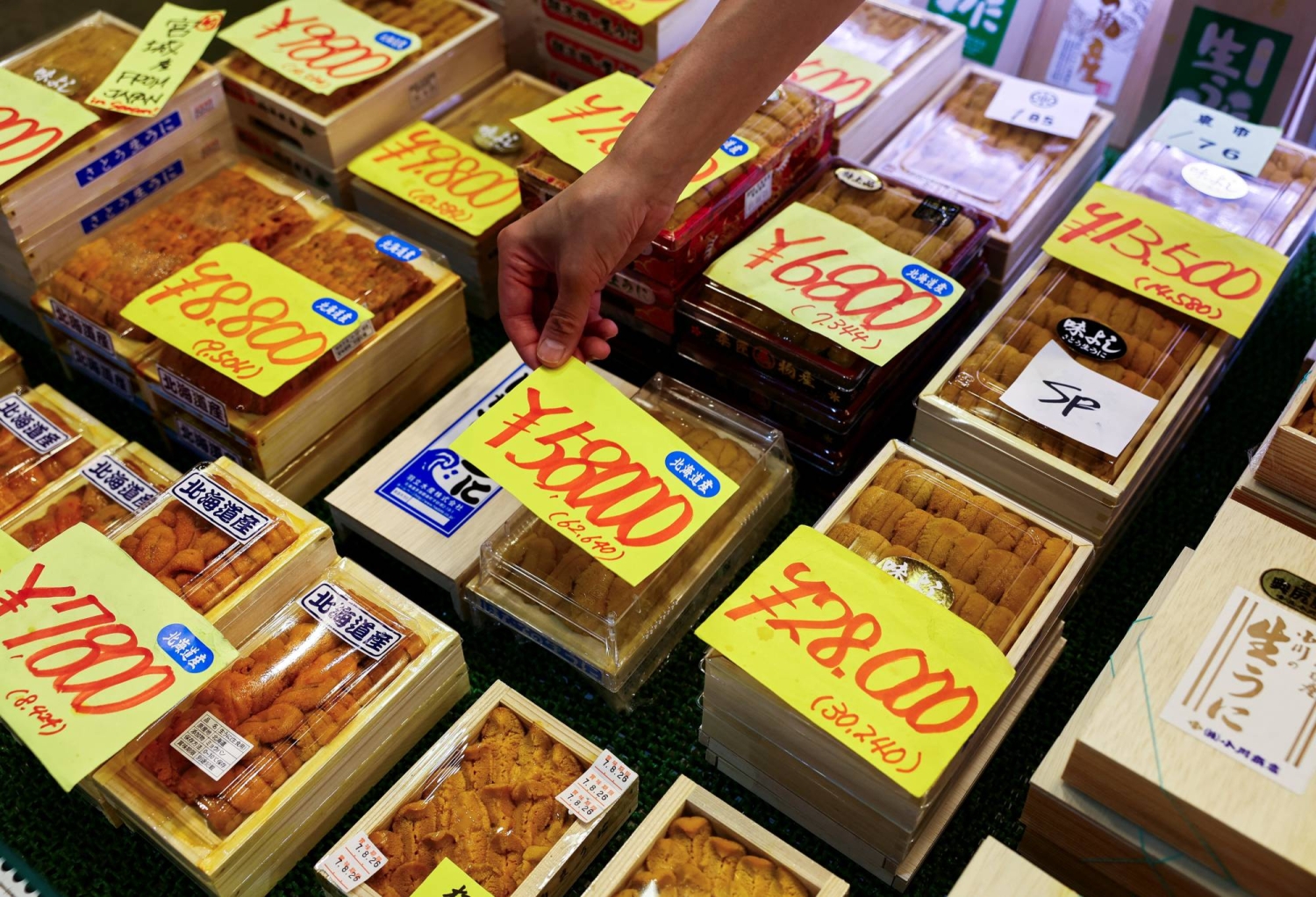
Japan’s seafood industry faces a shift as rising sea temperatures drive sea urchin prices to record highs. On Rishiri Island, bafun sea urchin has surged to 15,000–18,000 yen per 100 grams, roughly double what it was several years ago, while catch volumes have halved from last year. This underscores a broader climate-driven disruption in cold-water species.
Climate-Driven Supply Chain Shocks
Water temperatures around Japan have risen about 5°C, according to Shigeho Kakehi, a senior research scientist at the Japan Fisheries Research and Education Agency, directly impacting cold-water species like salmon, squid, and saury. The Tohoku region, north of Tokyo, is no longer a major salmon-producing area, a situation worsened by the northward shift of the warm ocean current. Volumes of these species have dropped sharply over the last 20 years, with prices per kilogram jumping nearly fivefold.
Fish and seafood inflation moderated recently to 2.5% from 3.9%, while fresh food prices rose 3.3% last month from 1.6% in June. For restaurants, this means reengineering menus: Sato Shokudo’s owner Kimiko Sato reported customers sharing single sea urchin bowls before ordering ramen, a trend reflecting broader consumer strain. “An average Japanese household’s spending on food is now at nearly 30%, the highest in 43 years,” according to reports citing government data.
Consumer Behavior Shifts
Consumers are adapting. Research firm Teikoku Databank said in a note that Tokyo’s heatwave hit household spending on seafood, hurt by price hikes as rising temperatures reduced catch volumes.
Policy and Market Adaptations
Stefan Angrick, head of Japan and Frontier Market Economics at Moody’s Analytics, warned that “Extreme weather events and increased average global temperatures are among the reasons we expect inflation to be structurally higher in the future than in the past.”
The B2B Ripple Effect
As the seafood sector reconfigures, stakeholders face urgent demands. The economic effects of climate change are no longer just theoretical, as rising temperatures and extreme weather events impact food costs and supply.

Forward-Looking Implications
The seafood bowl dilemma reflects a broader truth: climate change is a present-day fiscal force. As Japan’s markets adapt, the impact on food prices and catch volumes continues to be a worrying situation for industry veterans.