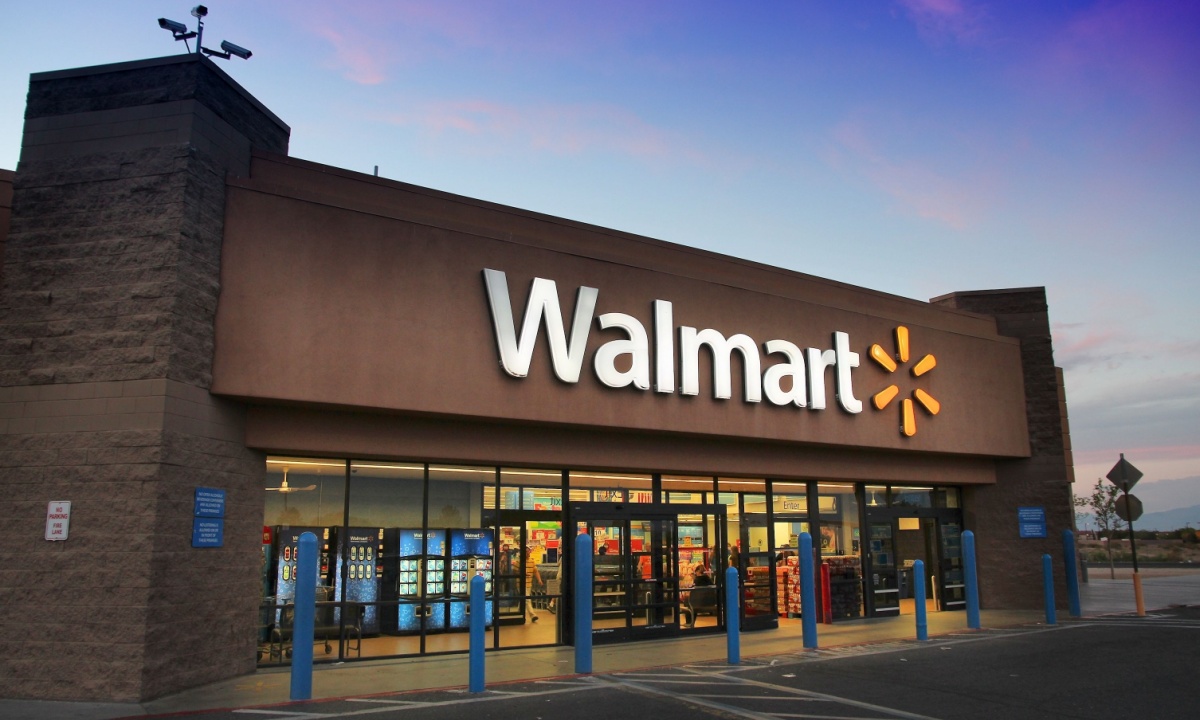
Walmart Marketplace Drives General Merchandise Growth Strategy
Walmart is aggressively expanding its general merchandise sector via its third-party marketplace, targeting high-growth categories like fashion and home decor. CFO John David Rainey confirmed at the JPMorgan Retail Roundup that this strategy, fueled by a 20% marketplace growth rate, is central to Walmart’s push toward a $1 trillion market cap.
The fiscal friction here is clear: scaling a marketplace to half a billion SKUs creates an immense operational burden. Rapid seller onboarding and the “halo effect” of premium brands like Apple increase the risk of supply chain fragmentation and quality control lapses. For the mid-market vendors entering this ecosystem, the challenge isn’t just getting listed—it’s managing the logistics of hyper-growth without eroding margins. This is where the need for sophisticated third-party logistics (3PL) providers becomes a non-negotiable requirement for survival.
The Marketplace Multiplier: Scaling Beyond the Big Box
Walmart is no longer just a brick-and-mortar behemoth with a website. it is evolving into a sophisticated ecosystem play. By shifting the burden of inventory risk to third-party sellers, the company is effectively expanding its assortment without the capital expenditure associated with traditional wholesale procurement. This asset-light approach allows them to attack “weak” categories—specifically hardlines and fashion—where they have historically trailed Amazon.
The numbers are staggering. With a 30% growth rate in key categories and a seller base that tripled over the last twelve months, Walmart is executing a textbook land-grab for digital market share. This isn’t just about volume; it’s about the quality of the traffic. When a “must-have” brand like Apple anchors the marketplace, it validates the platform for other high-margin vendors, creating a virtuous cycle of prestige and conversion.
“The transition from a traditional retailer to a platform-based ecosystem allows Walmart to capture the long-tail of consumer demand without the inventory carry costs that typically plague general merchandise.” — Institutional Analysis, Global Equity Research
This pivot is reflected in the company’s valuation. Crossing the $1 trillion market cap threshold wasn’t a result of selling more groceries; it was a reward for proving that its eCommerce infrastructure could realistically challenge Amazon’s dominance. To maintain this trajectory, Walmart is focusing on “must-have” brands, having already secured roughly 150 of their top 300 targets.
The Logistics of a Half-Billion SKU Inventory
Managing 500 million SKUs introduces a level of complexity that can shatter a standard supply chain. The “halo effect” Rainey mentions is a double-edged sword. While it attracts customers, it also attracts a flood of smaller, less experienced vendors who lack the infrastructure to meet Walmart’s stringent delivery and quality standards. This gap in operational maturity often leads to account suspensions and shipping delays, which can tarnish the brand’s digital reputation.
As these vendors scale, they hit a ceiling where manual processes fail. They are forced to seek out enterprise resource planning (ERP) consultants to automate order fulfillment and inventory synchronization across multiple channels. Without this digital backbone, the surge in general merchandise will lead to a surge in customer service liabilities.
The financial implications are evident in the margins. While the marketplace generates high-margin commission revenue, the overall success of the strategy depends on the “flywheel” effect—where online growth drives foot traffic back into physical stores. This omnichannel synergy is what separates Walmart from pure-play digital competitors.
How the Marketplace Pivot Redefines Retail
- Inventory Risk Transfer: By leveraging a 3P (third-party) model, Walmart shifts the risk of “dead stock” in fashion and home goods to the sellers, protecting the company’s balance sheet from massive write-downs.
- Data-Driven Assortment: The marketplace serves as a real-time laboratory. Walmart can track which 3P products are trending and then strategically bring those high-performing items into their 1P (first-party) wholesale channel for maximum margin capture.
- Customer Acquisition Cost (CAC) Reduction: The addition of “must-have” brands lowers the cost of acquiring new, younger, and more affluent demographics who previously viewed Walmart as a budget-only destination.
According to the Walmart Investor Relations portal and recent SEC filings, the company’s focus on AI-driven logistics and automated fulfillment is the silent engine behind this growth. By optimizing the “last mile,” they are reducing the friction that typically hinders rapid SKU expansion.

“Walmart’s ability to integrate its physical footprint with a rapidly scaling digital marketplace creates a moat that is nearly impossible for competitors to replicate. They aren’t just competing on price; they are competing on accessibility.” — Senior Portfolio Manager, Retail Sector Fund
The Road to the Next Quarter
Looking toward the upcoming fiscal quarters, the primary metric to watch is not just the 20% growth rate, but the conversion rate of those 300 “must-have” brands. If Walmart can secure the remaining 150 brands, the perception of the platform will shift from “discount warehouse” to “premium destination.”
Yet, this aggressive expansion requires a legal and regulatory framework to match. As they scale their seller base, the complexity of vendor contracts, tax compliance across different jurisdictions, and intellectual property disputes will skyrocket. We are seeing an increased demand for corporate legal firms specializing in e-commerce and international trade law to navigate these treacherous waters.
The shift is permanent. The “General Merchandise Surge” is not a seasonal spike; it is a fundamental restructuring of how the world’s largest retailer operates. By blending the reliability of a physical store with the infinite shelf space of a digital marketplace, Walmart is positioning itself to dominate the next decade of global commerce.
As the retail landscape continues to fragment and evolve, the winners will be those who can bridge the gap between massive scale and operational precision. For firms looking to navigate this new economy, the World Today News Directory remains the definitive resource for finding vetted, high-performance B2B partners capable of scaling alongside the giants.