
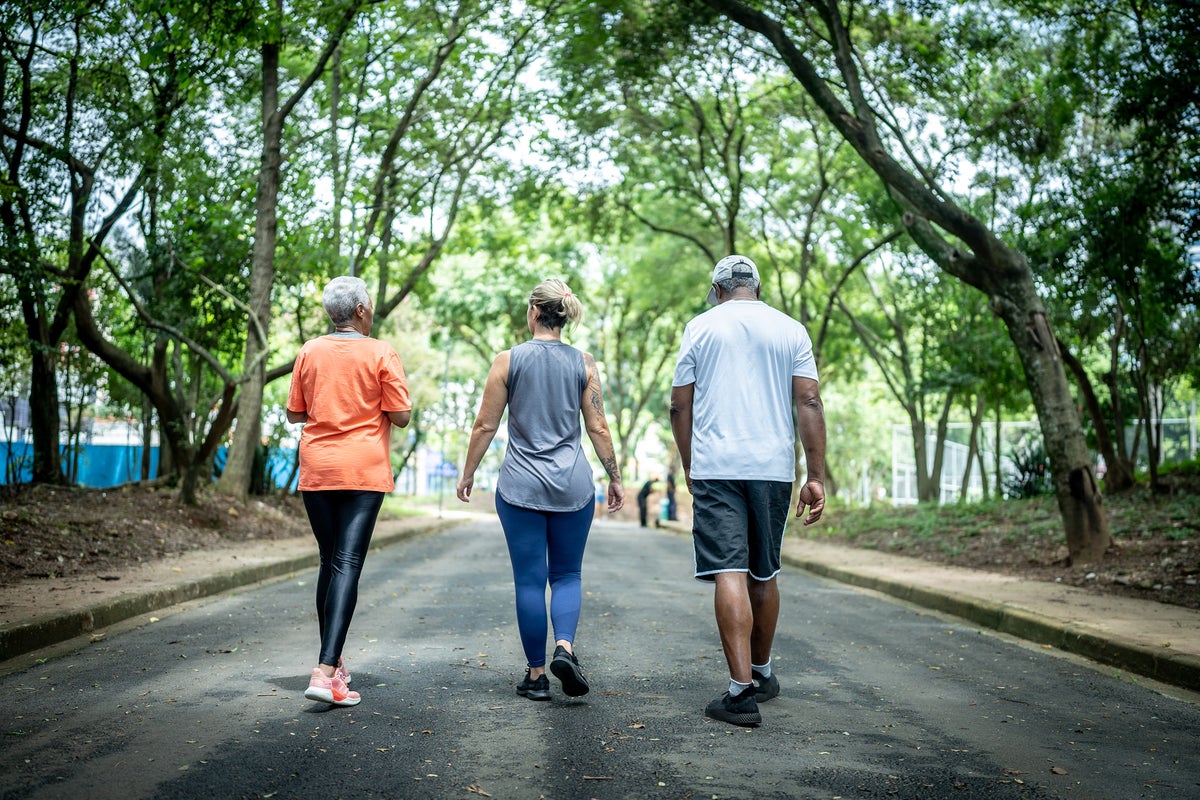
The simple act of walking is being re-evaluated as a cornerstone of public health in 2026, with experts increasingly emphasizing its accessibility and profound impact on overall wellbeing. While fitness trends often focus on complex regimes and specialized supplements, a growing consensus points to the foundational benefits of simply moving more, and walking is emerging as the most readily available method for many in the UK.
Research from the University of Sydney, highlighted the benefits of longer walking bouts. A study following adults who took fewer than 8,000 steps daily found that those who accumulated most of their steps in continuous periods of 10-15 minutes experienced significantly lower risks of cardiovascular disease and early death compared to those whose steps were scattered throughout the day in shorter bursts. Professor Emmanuel Stamatakis, lead researcher, suggested these results may be linked to physiological systems activated during sustained muscle contraction, such as improved heart rate variability and glucose metabolism.
Beyond longevity, walking plays a crucial role in managing metabolic health. Dr. Daniel Bailey of Brunel University’s research team found significant links between prolonged sitting and markers of chronic diseases – high blood sugar, cholesterol, waist size, and blood pressure – even in individuals who regularly exercise. Dr. Bailey suggests that movement activates “metabolic switches” that regulate blood sugar and cholesterol, while inactivity allows them to shut down. He recommends incorporating standing activities, like taking phone calls while walking, and breaking up sedentary periods with light movement every 30 to 60 minutes.
The timing of walks likewise appears to be important. Studies published in the International Journal of General Medicine demonstrated that a brisk 30-minute walk immediately after lunch and dinner was more effective for weight loss than the same walk taken an hour later. Further research in 2025 indicated that a 10-minute walk post-meal effectively controls blood pressure levels. Dr. Elroy Aguiar, a walking expert and associate professor of exercise science, explained that exercise immediately impacts blood sugar levels, pulling glucose into working muscles and lessening the burden on the pancreas.
Intensity matters too. The University of Sydney also investigated VILPA – vigorous intermittent lifestyle physical activity – finding that even five to ten daily episodes of vigorous activity lasting up to one minute were associated with a 30 to 50 percent lower risk of cardiovascular conditions, cancer, and mortality. This can be achieved through brisk walking uphill, climbing stairs quickly, or vigorous gardening.
While walking offers substantial benefits, Dr. Aguiar emphasizes the importance of complementing it with strength training to build and maintain bone and muscle mass. He also notes that individuals with higher fitness levels may require more intense activities like running or swimming to continue improving their cardiovascular fitness. For those with mobility issues, alternative forms of movement, such as seated yoga, upper body strength training, or adaptive exercise techniques, can still deliver significant health benefits.
To help individuals integrate walking into their routines, David J Sautter, an NASM-certified personal trainer at WalkFit, has developed an eight-week framework. The program begins with establishing a consistent habit of three short walks per week, gradually increasing duration and incorporating intervals of brisk walking. The framework culminates in a mix of longer moderate walks and interval sessions, emphasizing the importance of a warm-up and cool-down.
