Visegrád Four and Austria Call EU Budget Proposal ‘Unacceptable’ After Bratislava Talks
European Council President António Costa has proposed a €1.78 trillion budget for 2028–2034 that cuts spending by 10% from the Commission’s original plan while keeping a €100 billion reserve for Ukraine, but Visegrád Four leaders and Austria rejected the offer as unacceptable after talks in Bratislava on Monday.
Budget proposal cuts spending, preserves Ukraine reserve
Costa’s negotiating box, presented Saturday, reduces the multiannual financial framework by €204 billion to keep national contributions manageable, according to a draft reviewed by European Pravda and reported by the Kyiv Post.
The plan would raise average national contributions from 0.80% to 0.82% of gross national income, UrduPoint reported. Defence funding would rise by 232% and competitiveness funding by 120% in constant prices compared with the 2021–2027 budget, generating about €60 billion a year combined with existing sources, Costa said. UrduPoint reported.
Visegrád Four and Austria reject the offer
Meeting at Bratislava Castle alongside Austrian Chancellor Christian Stocker, the prime ministers of Hungary, Poland, Czechia and Slovakia said the proposal was “unacceptable,” Slovak Prime Minister Robert Fico told a joint news conference, according to the News Agency of the Slovak Republic cited by Anadolu Ajansı.
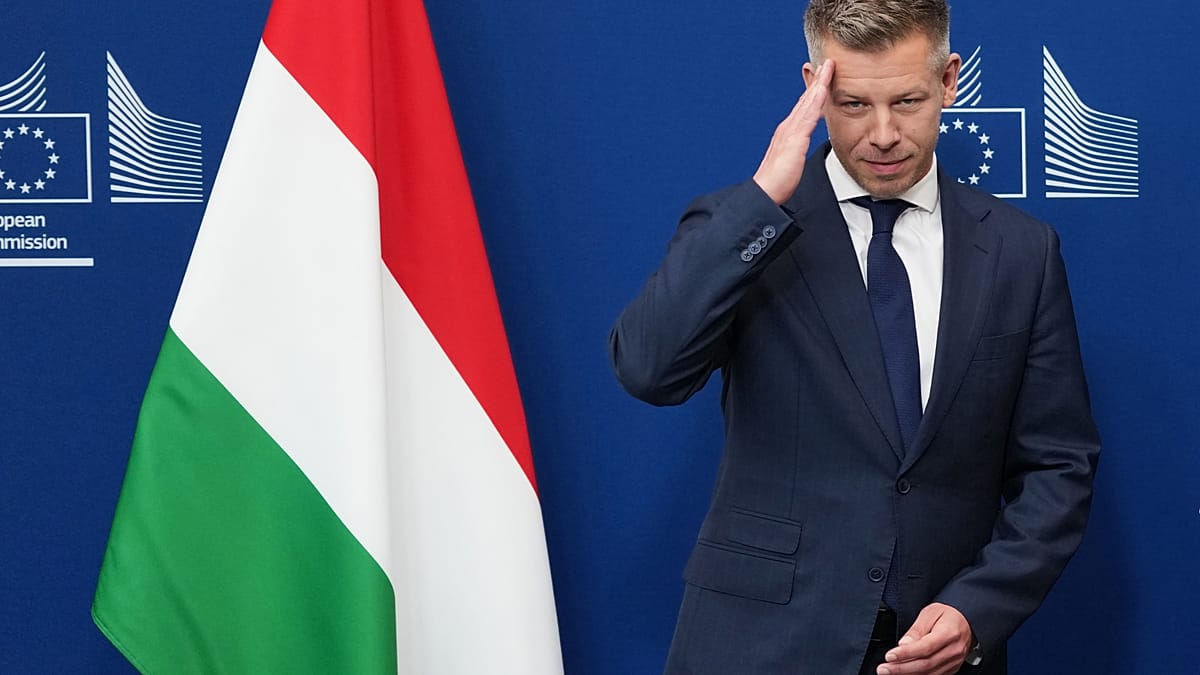
Hungarian Prime Minister Péter Magyar wrote to Costa questioning the wisdom of holding a special summit later this week: “There is no point spending two days in Brussels not agreeing on anything,” euronews reported.
Czech Prime Minister Andrej Babiš asked whether the Commission had considered savings such as eliminating the European Parliament’s three seats, euronews reported. Austrian Chancellor Christian Stocker described the proposal as “overly optimistic, too expensive and unrealistic,” Anadolu Ajansı reported.
Today I put forward a proposal for a realistic budget: ✔️ It addresses our new priorities while preserving our established policies. ✔️ It keeps national contributions within reasonable limits. ✔️ It includes a balanced basket of new own resources.https://t.co/5T7fvfstDE pic.twitter.com/6qSGreOqmg
Divisions over Ukraine financing
Magyar insists support for Kyiv should stay outside the EU budget to avoid mandatory contributions, euronews reported. “Hungary stood in solidarity with Ukraine but opposed making financial support for Kyiv mandatory under the EU’s seven-year budget,” Anadolu Ajansı reported. Polish Prime Minister Donald Tusk, while urging partners to maintain financial support for Kyiv, said he would “never accept a budget which will result in higher energy prices and lower security of countries on NATO’s eastern flank,” Anadolu Ajansı reported.
Fico opposed further EU-backed military financing for Ukraine and ruled out Slovakia’s participation in a proposed €45 billion loan to Kyiv, Anadolu Ajansı reported. Bulgaria’s EU Funds Minister Atanas Pekanov said Sofia would not oppose funding for Ukraine but could contribute only humanitarian aid and investment benefiting civilians, particularly in areas with Bulgarian communities, BNR Новини reported.
Competitiveness Fund and new revenue sources
More than 75 businesses, including EDF, 3M, Orano and PowerCo, urged leaders to strengthen the proposed European Competitiveness Fund, calling for greater certainty for factories and new technologies, EU Perspectives reported. The latest draft cuts the fund by about 10%, from €398 billion to €356 billion in 2025 prices, while agriculture and cohesion were trimmed by only 3%, Wisevoter reported.
EPP Group Vice-Siegfried Mureșan said the Council is “fixated on cuts when Europe needs ambition” and warned Parliament would block a budget that “holds Europe back,” EPP Group reported.
Costa has reintroduced a 3% digital services tax on companies with more than €50 million in annual EU revenue and €750 million globally, the Tax Foundation reported. Ireland and Sweden oppose the digital levy, arguing new taxes will not solve budget problems, TodayPress.tv reported.
European Council President António Costa, who took office in December 2024 after serving as Portugal’s prime minister from 2015 to 2024, is steering negotiations on the €1.78 trillion budget for 2028–2034. His nine years leading the Portuguese government — the second-longest tenure in the country’s democracy — included managing fiscal consolidation and EU recovery funds, experience he now applies to keeping national contributions near 0.82% of gross national income while boosting defence and competitiveness spending.
Costa’s earlier roles as minister of Justice (1999–2002) and minister of Home Affairs (2005–2007), plus his stint as a vice-president of the European Parliament (2004–2005), give him institutional fluency across justice, security and legislative affairs.

Special summit looms
Permanent representatives began detailed discussions on the draft on November 23, and heads of state and government will negotiate at a special European Council in Brussels on November 26–27, TodayPress.tv and EU Perspectives reported. The budget requires unanimous approval.
More on Visegrád Four
EU President "is confident" in today's press comunication about MFF proposal: "We are increasing funding for competitiveness by 120%, Horizon Europe will increase by 57%, Erasmus will increase by 25%” He forgot to add – CAP will be cut by 30% and EU farmers are not confident……”
The EU budget cannot do more with less Shrinking the Multiannual Financial Framework would cost jobs, weaken Europe's competitiveness and risk leaving a deal without enough votes in Parliament.https://t.co/W20efW7GUx
On 26-27 November, EU leaders will meet in Brussels to discuss: ▫️my proposal for the next long-term EU budget (MFF) ▫️Ukraine’s financing needs for 2027 ▫️the renewal of the ECB leadership My invitation letter ↓https://t.co/0vrX3UTalh