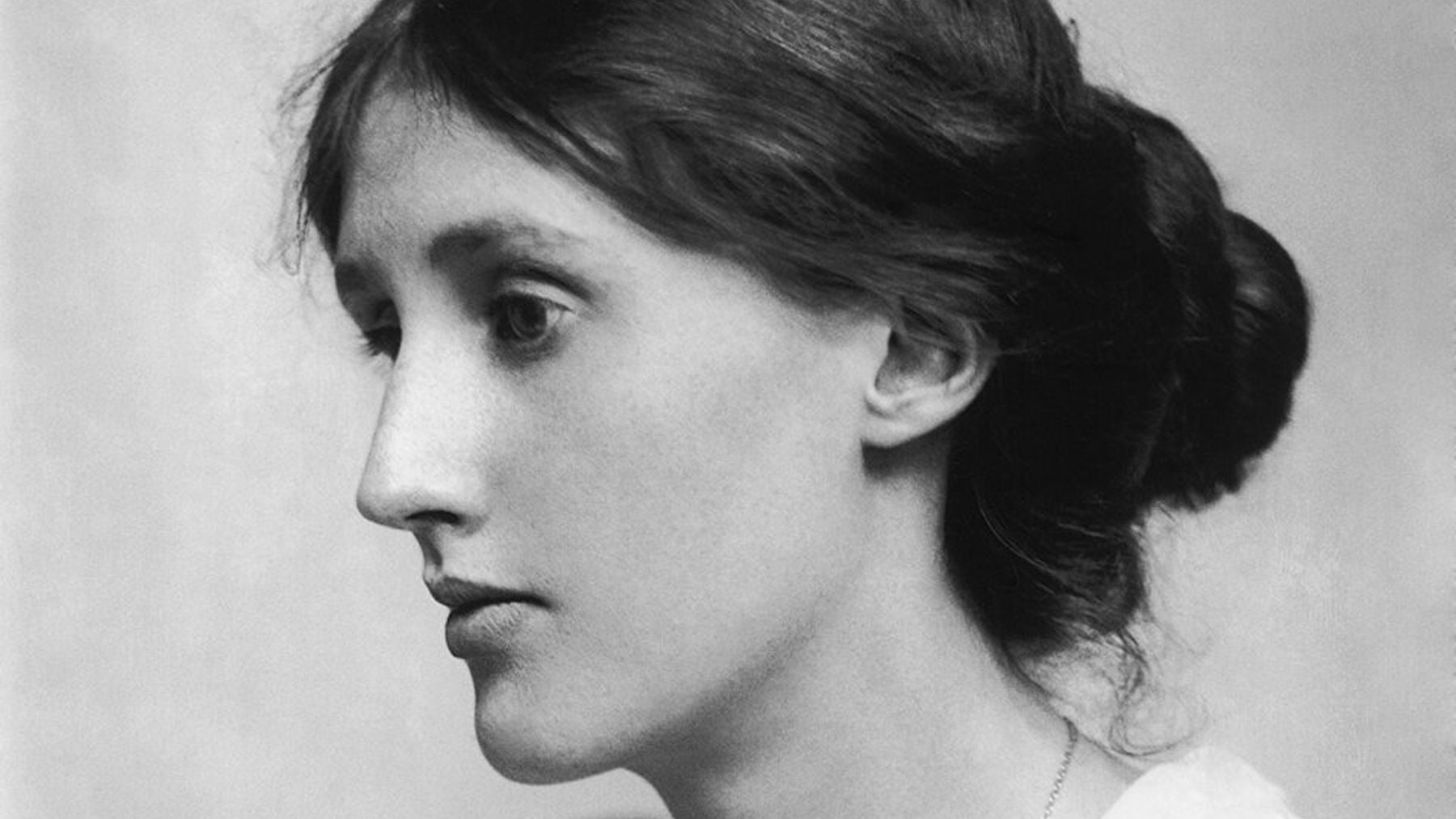
Virginia Woolf explored food and inequality in essay
Virginia Woolf Wrote That Nobody Can Think, Love, or Sleep Well Without Good Food
Personal well-being depends on meeting basic physiological needs before higher intellectual and emotional functions can operate properly, according to the writer Virginia Woolf. In her 1929 essay A Room of One’s Own, Woolf wrote the phrase: “One cannot think well, love well, sleep well, if one has not eaten well.” The author used the sentence to highlight economic and educational disparities between men and women in higher education during the late nineteenth and early twentieth centuries, rather than serving as a medical rule for nutrition.
The reflection appears in the first chapter of the book after the narrator visits two fictional academic institutions. The first location, Oxbridge—a combination of Oxford and Cambridge—features a lavish lunch with fish, partridges, and wine served in a well-funded environment. In contrast, the second location, a women’s college named Fernham, provides a modest dinner of beef, vegetables, and stewed plums. Woolf used this stark contrast in institutional budgets to demonstrate how financial resources directly shape intellectual opportunities.
University Funding Disparities Stifled Women Intellectuals
Woolf experienced educational restrictions firsthand despite belonging to a privileged London family. Born in 1882 to a recognized man of letters, Leslie Stephen, she educated herself through her family’s extensive library and courses at King’s College London, while her brothers pursued traditional university paths. Those restrictions reflected broader societal barriers in late-Victorian England, where women faced significant hurdles in accessing identical academic and professional pathways as men.

Male institutions accumulated substantial endowments across generations, whereas women’s colleges operated on severely restricted budgets. The resulting inequality left many talented women without the necessary financial means, time, or tranquility required to write and study effectively. Woolf analyzed these historical disadvantages to explain why generations of women were systematically excluded from the history of literature.
Physical Nourishment and Integral Well-Being
Adequate nutrition functions as a primary pillar for physical, mental, and emotional stability. The famous passage dismantles the artificial separation between body and mind by demonstrating how physical states condition thoughts and feelings. Hunger and exhaustion impair concentration, making it difficult for an individual to maintain emotional balance or perform daily tasks.
Yet, interpreting the phrase strictly as a medical formula oversimplifies its broader premise. While nutrient deficiencies hinder cognitive focus, restful sleep and emotional health also depend on multiple external variables. The core message focuses on living conditions, signaling that individuals facing barriers to meeting basic needs encounter greater obstacles when pursuing personal projects or advanced studies.