Vietnam to Release Thousands of Prisoners Ahead of Elections
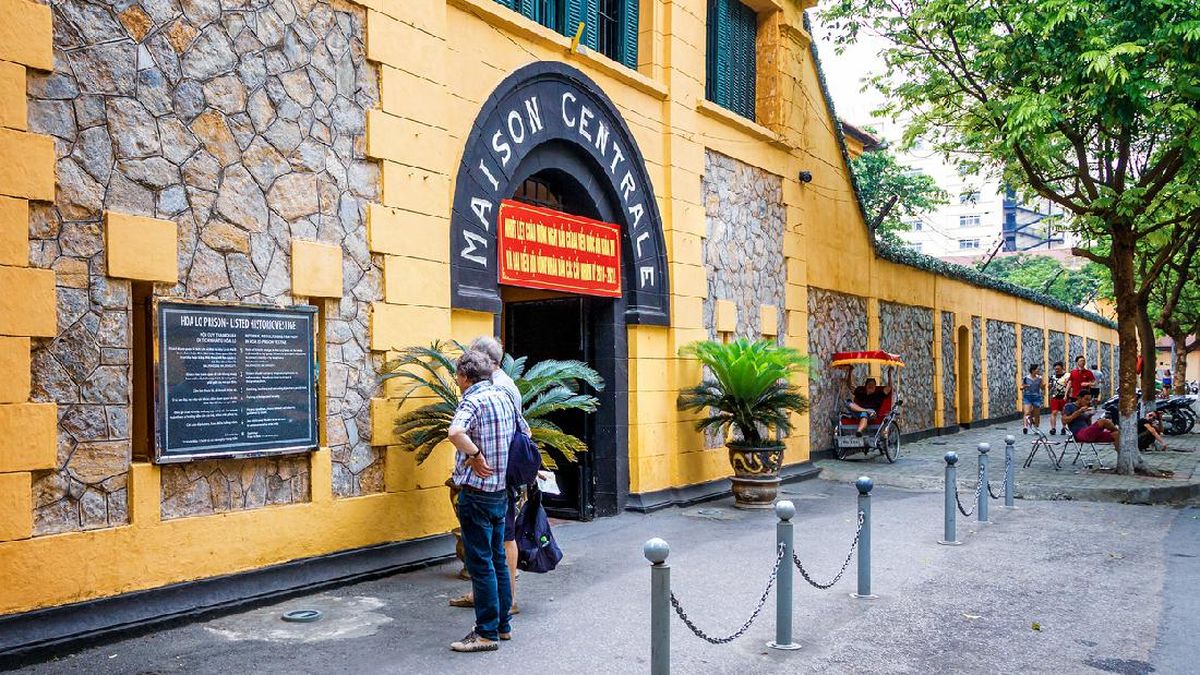
In a significant administrative maneuver, Vietnam will release 9,950 detainees under the 2026 amnesty program starting in June. The state-sanctioned clemency, announced by the Presidential Office, coincides with the successful conclusion of recent parliamentary elections, signaling a strategic effort to project political stability and domestic harmony to the international community.
For multinational corporations and global investors, this mass release is more than a domestic policy shift. it is a barometer of the Socialist Republic of Vietnam’s internal governance and social cohesion. As Vietnam continues to integrate into the World Trade Organization framework and expand its role in the ASEAN economic bloc, the state’s ability to manage its penal system with transparency—or at least the appearance of it—directly impacts its sovereign risk profile.
The Macro-Calculus of State Clemency
Amnesty programs in Vietnam are rarely purely humanitarian; they are instruments of statecraft. By releasing nearly 10,000 individuals, the government effectively recalibrates its social ledger. Historically, such moves are designed to coincide with major political milestones—in this case, the parliamentary elections—to bolster the legitimacy of the current administration, led by President Tô Lâm and the broader party apparatus.
However, from a macro-economic perspective, the sudden influx of nearly 10,000 individuals into the labor market presents both a challenge and an opportunity. For firms operating in Vietnam’s rapidly expanding manufacturing hubs, particularly in sectors like electronics and textiles, the reintegration of these individuals into the workforce requires careful navigation of local labor laws and social compliance standards.
“The strategic use of amnesty is a hallmark of political consolidation. It allows the state to demonstrate benevolence while simultaneously clearing the physical and fiscal overhead of an overcrowded prison system, all while signaling to foreign investors that the political environment is under firm control,” notes one veteran observer of Southeast Asian governance.
Corporations currently expanding their footprint in Southeast Asia must recognize that local labor stability is inextricably linked to the state’s ability to manage its population. Multinational entities should engage with specialized international legal consultants to ensure that their local hiring and human rights compliance policies remain aligned with evolving government mandates following such large-scale administrative changes.
Supply Chain Resilience and Sovereign Risk
Vietnam’s position as a critical node in the global supply chain, often cited in reports by the World Bank, makes its domestic stability a top-tier concern for Western manufacturers. The transition of thousands of detainees back into civilian life involves potential shifts in local security environments. For logistics and trade firms, the ability to anticipate and mitigate these shifts is paramount.
The “Problem/Solution” dynamic here is clear: the state creates a sudden change in the demographic and security landscape; the firm must adapt its risk management. When political events in host countries shift rapidly, businesses cannot afford to rely on static security protocols. They must consult with global risk management experts to conduct a granular analysis of how these shifts in the social fabric affect regional industrial zones and transportation arteries.
Strategic Considerations for Global Stakeholders
- Labor Market Integration: Assess the impact of returning workers on local manufacturing productivity and site-level HR compliance.
- Regulatory Alignment: Monitor potential changes in labor regulations that may follow as the government seeks to manage the social reintegration of the released population.
- Security Audits: Update local facility security protocols to reflect the changing social climate in the immediate aftermath of the amnesty program.
Navigating the Shifting Geopolitical Landscape
The decision to grant clemency is also a subtle signal to the international community regarding Vietnam’s commitment to judicial and penal reform. As Vietnam seeks to maintain its status as an attractive destination for Foreign Direct Investment (FDI), it must balance its internal security requirements with the expectations of global partners who monitor human rights and the rule of law as conditions for deeper economic partnership.
This creates a complex environment for international trade. Organizations navigating this landscape require more than just a local presence; they require a sophisticated understanding of the interplay between the Vietnamese National Assembly’s legislative output and the practical realities on the ground. Firms that successfully navigate this complexity often do so by leveraging cross-border corporate advisory services that bridge the gap between local policy shifts and international compliance standards.
As the June deadline approaches, the global market will be watching to see how the reintegration process unfolds. The stability of the Vietnamese market, already a lynchpin of the regional economy, depends on the seamless execution of this policy. For the global executive, the lesson is clear: in an era of shifting alliances and domestic policy volatility, the ability to pivot and adapt to the state’s internal calendar is the ultimate competitive advantage.
The chessboard is moving. Whether your firm is looking to expand its footprint or harden its existing infrastructure against the ripple effects of regional political shifts, the necessity for expert guidance has never been higher. Connect with the specialized partners found in our global B2B directory to ensure your operations remain insulated from the volatility inherent in today’s international landscape.