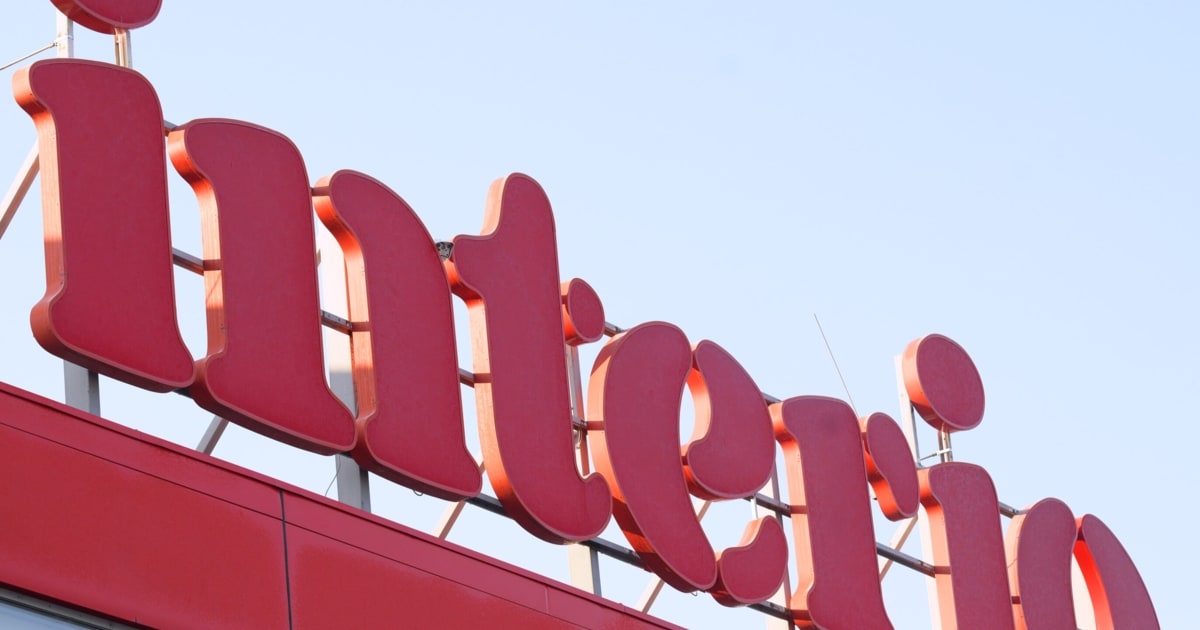
Vienna and Linz Branches Set to Close by July 2026
Furniture retailer Interio has confirmed the insolvency of its operations, resulting in the planned closure of its branches in Vienna-Mariahilf and Linz by early July 2026. This contraction will lead to the loss of 10 jobs, marking a significant shift in the local retail landscape for both cities.
The insolvency of a recognizable brand like Interio serves as a sobering reminder of the volatility currently facing the European retail sector. As consumer habits shift toward digital-first procurement and economic pressures tighten household budgets, traditional brick-and-mortar furniture retailers are finding it increasingly demanding to maintain the overhead required for high-street showrooms.
The Ripple Effect of Retail Contraction
The closure of these specific locations in Vienna and Linz is not merely a corporate administrative move; it represents a loss of commercial tax revenue and a reduction in foot traffic for the surrounding districts. In Vienna, the Mariahilf district—known for its vibrant shopping culture—will now face the challenge of repurposing prime retail square footage. Meanwhile, in Linz, the loss of a major furniture outlet impacts the regional supply chain and local service providers who rely on consistent retail operations.
For employees affected by these layoffs, the immediate transition is fraught with uncertainty. Navigating the complexities of insolvency law and labor rights requires professional guidance. Individuals facing job loss in this sector should seek advice from specialized labor and employment attorneys who can ensure that severance packages and unemployment claims are handled in accordance with regional regulations.
The retail sector is currently undergoing a structural transformation that forces a re-evaluation of physical footprints. When a brand of this scale faces insolvency, the impact extends beyond the balance sheet to the very fabric of the municipal economy.
Navigating the Economic Transition
The broader economic environment in Austria remains complex. While the capital city of Vienna continues to serve as a major hub for international commerce, the insolvency of Interio highlights that even established urban centers are not immune to the pressures of modern retail economics. The shift away from physical showrooms often leaves property owners with the daunting task of re-tenanting large, specialized commercial spaces.

Property managers and commercial landlords affected by these vacancies must act swiftly to mitigate financial losses. Engaging with commercial real estate consultants is an essential step to identifying new, sustainable uses for these properties, whether through adaptive reuse or by attracting new retail partners who are better positioned to navigate the current market.
Key Considerations for Stakeholders
- Labor Rights: Affected employees are encouraged to review their contracts and consult with local labor bureaus regarding their statutory rights during insolvency proceedings.
- Commercial Real Estate: Property owners must assess the long-term viability of their holdings in light of the changing retail landscape in Linz and Vienna.
- Supply Chain Impact: Local vendors previously contracted with Interio should audit their outstanding accounts receivable and prioritize legal consultation to protect their financial interests.
Strategic Recovery and Legal Compliance
When a company enters insolvency, the resulting legal proceedings are often opaque and stressful for all parties involved. Creditors, suppliers, and former employees are pulled into a system defined by strict deadlines and rigorous documentation. For businesses that find themselves caught in the wake of such a collapse, proactive management is the only defense against compounding losses.

It is during these periods of corporate transition that professional services become most vital. Engaging with certified insolvency practitioners and debt management consultants can provide the clarity needed to navigate the liquidation process. These professionals help stakeholders understand their standing within the insolvency hierarchy, ensuring that every legal avenue is explored to recover owed capital or secure transition assistance.
As the July 2026 deadline for the Interio closures approaches, the focus for the affected communities will shift from the shock of the announcement to the mechanics of closure. The empty storefronts in Vienna-Mariahilf and Linz will eventually be filled, but the transition period serves as a sharp reminder of the importance of maintaining a robust network of professional support. Whether you are a displaced worker looking for guidance or a business owner managing the fallout of a vendor’s collapse, connecting with verified experts is the most reliable path forward. In an era of rapid economic change, those who prepare for volatility by keeping their professional network current will be the ones who navigate the challenges of the future with the greatest resilience.