
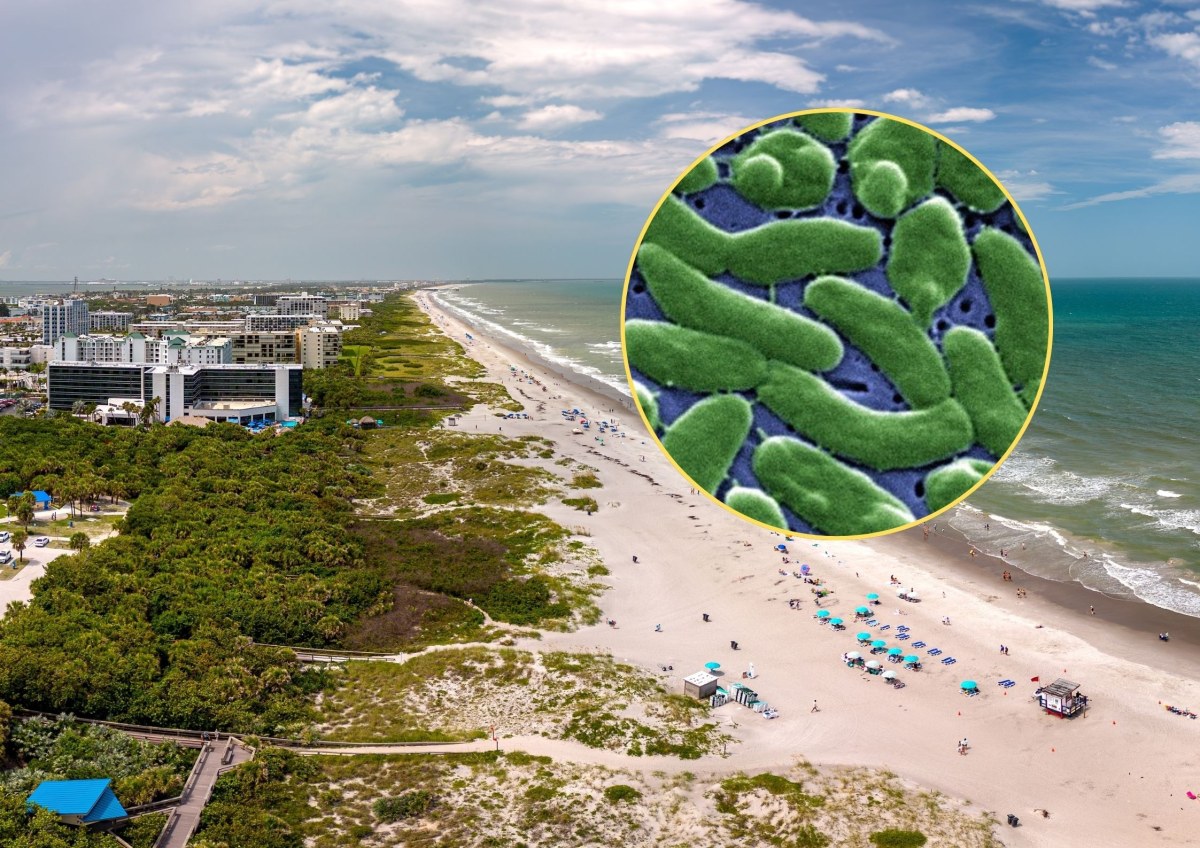
Florida is grappling with a surge in Vibrio Vulnificus infections,a risky bacterium thriving in warm,salty waters.dr. Daniel Egan, an infectious disease specialist at Orlando Health, highlighted that this bacterium, commonly found in such environments, can lead to necrotizing fasciitis, a severe condition where tissues around a wound die, possibly necessitating limb amputation. While healthy individuals may recover, those with compromised immune systems or chronic illnesses face a substantially higher risk.
The Centers for Disease Control and Prevention (CDC) reports an annual average of 150 to 200 Vibrio Vulnificus infections in the united States. However, 2024 has seen an alarming spike, with 82 infections and 19 fatalities recorded. Experts attribute this increase directly to extreme weather events,especially Hurricanes Milton and Helene,which pushed warm,saline waters further inland,thereby expanding human exposure to these hazardous microorganisms. Dr. Kami Kami, director of Hospital Infectious Diseases in Tampa, noted that increased outdoor activities during such conditions heighten the chances of cuts and germ exposure.
Beyond the immediate health crisis, the economic implications are substantial. The U.S. department of Agriculture projects that by 2090, annual costs associated with Vibrio Vulnificus infections could escalate to $6.1 billion. Health officials are urging heightened caution, especially for those engaging with seawater during periods of high temperatures. It is strongly advised to avoid swimming if you have open wounds, cuts, or any condition that weakens your immune system. The persistent trend of elevated water temperatures and more frequent extreme weather events suggests this problem may continue to grow.
What are your thoughts on the impact of climate change on public health? Share your insights in the comments below, and subscribe to World Today News for more critical updates on global health and environmental issues.
