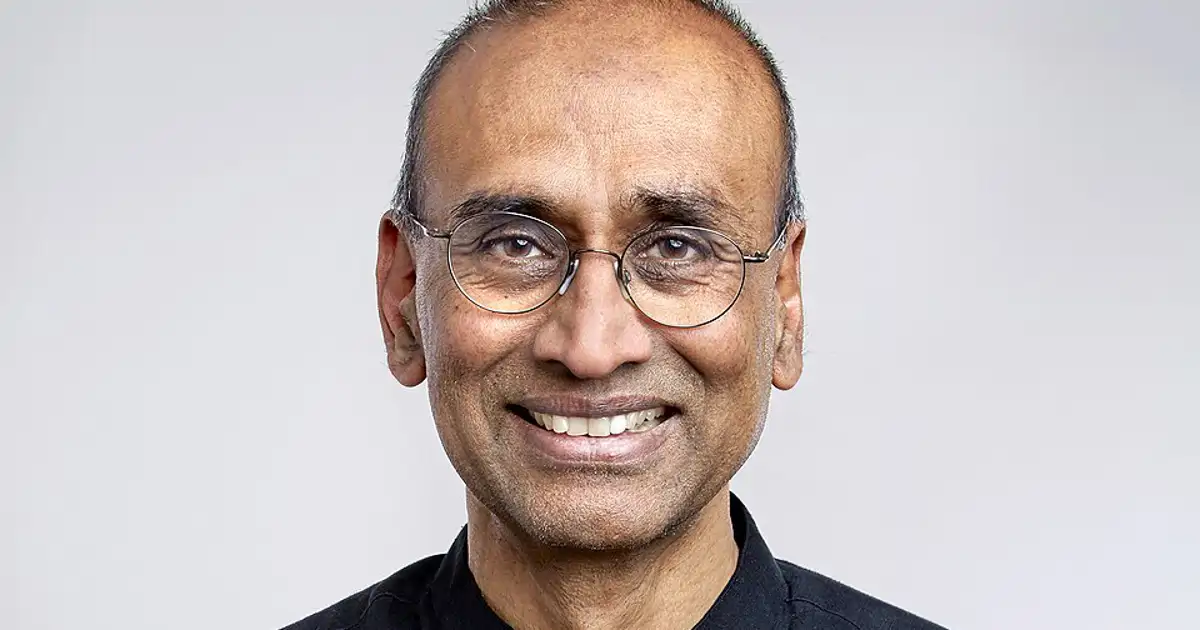
Venkatraman Ramakrishnan states human lifespan faces strict biological limits
Human lifespan faces strict biological limits that make living significantly past current maximum records highly improbable without radical cellular interventions, according to Nobel laureate Venkatraman Ramakrishnan. Writing in Scientific American, the chemist who shared the 2009 Nobel Prize in Chemistry notes that while public health improvements have steadily raised average life expectancy over the past century and a half, the ultimate ceiling of human longevity remains firmly fixed.
- Maximum Longevity Ceiling: The verified human lifespan record remains held by Jeanne Calment, who died at 122 years and 164 days in 1997.
- Biological Barriers: Ramakrishnan asserts that overcoming current boundaries requires altering fundamental cellular aging mechanisms rather than simply treating individual diseases.
- Statistical Hurdles: According to data published in Nature Aging, pushing average life expectancy to 110 years would require eliminating the vast majority of current mortality causes and seeing roughly 70 percent of a population reach age 100.
The Divergence Between Average Lifespan and Maximum Longevity
The core paradox of modern human survival is that society has successfully mitigated many historical causes of premature death without actually slowing the rate of biological aging. Improvements in sanitation, nutritional availability, widespread vaccination programs, effective antibiotics, and general clinical care have allowed populations globally to reach older ages than ever before. However, these medical and public health triumphs have not shifted the maximum span of the human organism.
Jeanne Calment’s death at age 122 nearly three decades ago continues to anchor the outer limits of verified human survival. Historical figures such as Michelangelo approached age 89 during the Renaissance, demonstrating that exceptionally long lives occurred centuries ago. Yet the absolute upper limit has resisted the sweeping socioeconomic and clinical progress that lifted median life expectancy across industrialized nations.
Cellular Maintenance Failures and Interlocking Aging Networks
For generations, medical theory compared the human body to a mechanical artifact accumulating wear and tear over time. Modern molecular biology rejects this passive model, showing instead that living cells actively repair DNA, clear damaged components, recycle proteins, maintain mitochondria, and respond dynamically to metabolic stress. Aging occurs because this sophisticated maintenance machinery progressively loses efficiency.
Cellular deterioration manifests across multiple interconnected domains, including genomic instability, epigenetic alterations, loss of proteostasis, mitochondrial dysfunction, chronic low-grade inflammation, altered nutrient sensing, and stem cell exhaustion. These physiological processes operate as an integrated network rather than independent breakdowns. Modifying a single pathway often triggers compensatory disruptions elsewhere in the cellular architecture, reflecting an evolutionary design that prioritizes reproductive fitness over organismal immortality.
Demographic Realities of Radical Life Extension
Achieving lifespans of 150 or 200 years demands more than incremental therapies or isolated pharmacological interventions. An analytical model published in Nature Aging calculated the demographic shifts necessary to raise population life expectancy to 110 years. Using Japanese female cohorts as a baseline, researchers determined that roughly 70 percent of individuals would need to survive to their centenary, alongside an unprecedented collapse in age-specific mortality rates.
Eliminating primary fatal conditions such as cardiovascular disease and oncological pathologies would extend average survival metrics significantly, but it would not automatically rewrite the biological laws governing cellular senescence. Addressing these foundational constraints requires ongoing investigations into regenerative medicine and molecular biology.
*Disclaimer: The information provided in this article is for educational and scientific communication purposes only and does not constitute medical advice. Always consult with a qualified healthcare provider regarding any medical condition, diagnosis, or treatment plan.*