
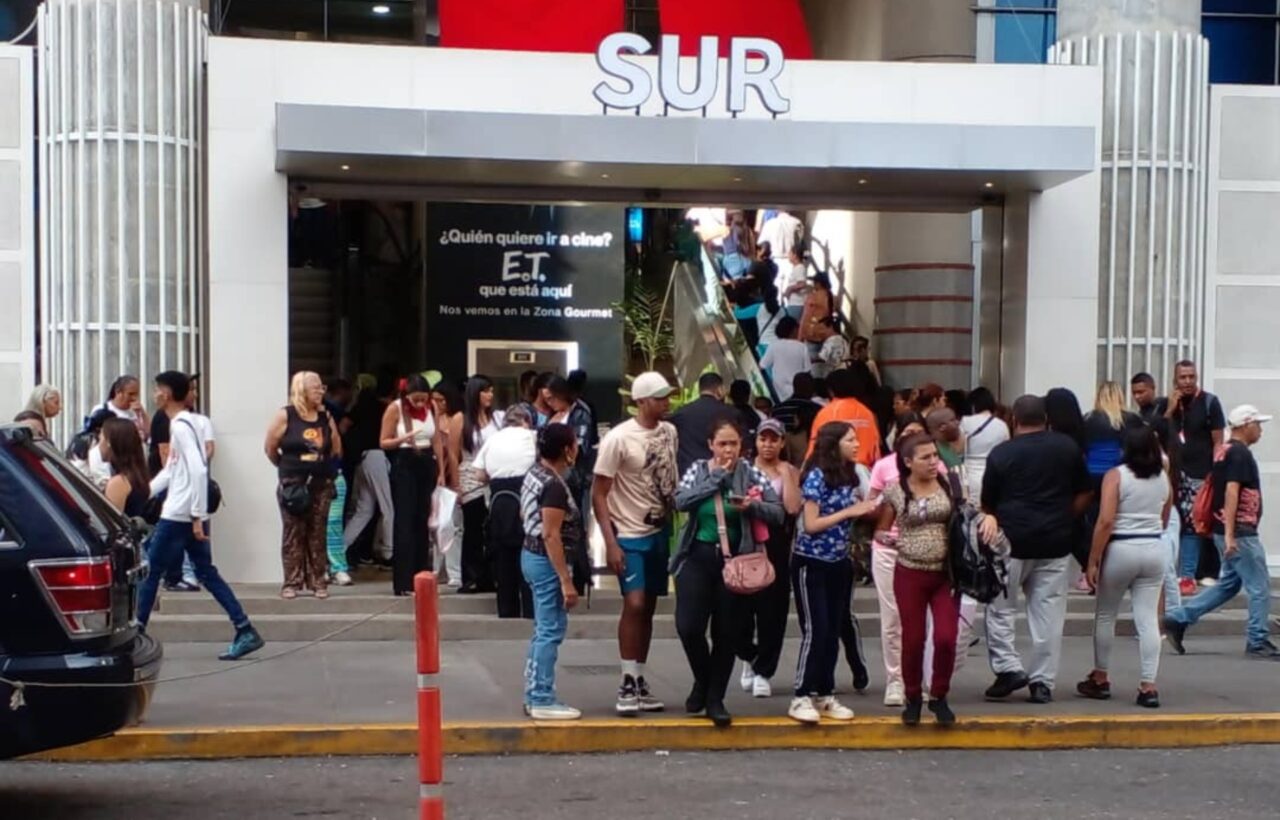
A Quiet Resilience: Daily Life in Venezuela Amidst Uncertainty
Despite rising inflation, Venezuelans are continuing with essential preparations for the Christmas season, venturing to markets to purchase ingredients for hallacas, a customary holiday dish. However, a sense of quiet persists regarding external concerns, specifically the presence of a US fleet in the Caribbean and the potential for conflict. This disconnect between public discourse and private sentiment is a recurring theme in conversations with citizens.
Observations reveal a divergence of opinions not readily apparent in public spaces. A jewelry workshop student, traveling weekly from the outskirts of Caracas to San bernardino, expressed weariness with the current goverment and a defiant indifference to potential repercussions. she openly welcomed the possibility of change, even if disruptive, referencing a flamenco-style song dedicated to a political figure.
Similarly, a supermarket parking lot attendant, commuting from a distant area via the Caracas Metro, reports that nine out of ten of his regular customers desire a change in leadership, though some remain apathetic. His advice, echoing a common sentiment, is to simply stay home until any potential unrest subsides.
An electrical engineer residing in El Valle expressed skepticism about a large-scale US military incursion, suggesting a more likely scenario would involve a covert operation utilizing a smaller special forces team.He voiced hope for a strategy avoiding widespread bombing, given his proximity to Fuerte Tiuna, the city’s main military installation.
These individual accounts suggest a complex spectrum of desires and anxieties. While a segment of the population appears to yearn for change, the extent of this sentiment remains unclear. Félix Seijas, director of the Delphos Institute, offers insight, noting an initial period of heightened expectation regarding potential intervention has subsided.
Seijas explains that while Venezuelans acknowledge the possibility of external action, it no longer considerably alters their daily routines. He characterizes the public mood as a mix: some actively desire change, others oppose it, and a considerable portion is ambivalent, their stance dependent on the manner of any intervention. “There is a percentage that wants it to happen and another that doesn’t. A percentage that doubts whether it should happen or not, depending on the way it happens; the majority does not want anything violent,” he states. Ultimately, he concludes, the need to maintain daily life – “to follow the routine to live” – explains the apparent calm observed on the streets.
