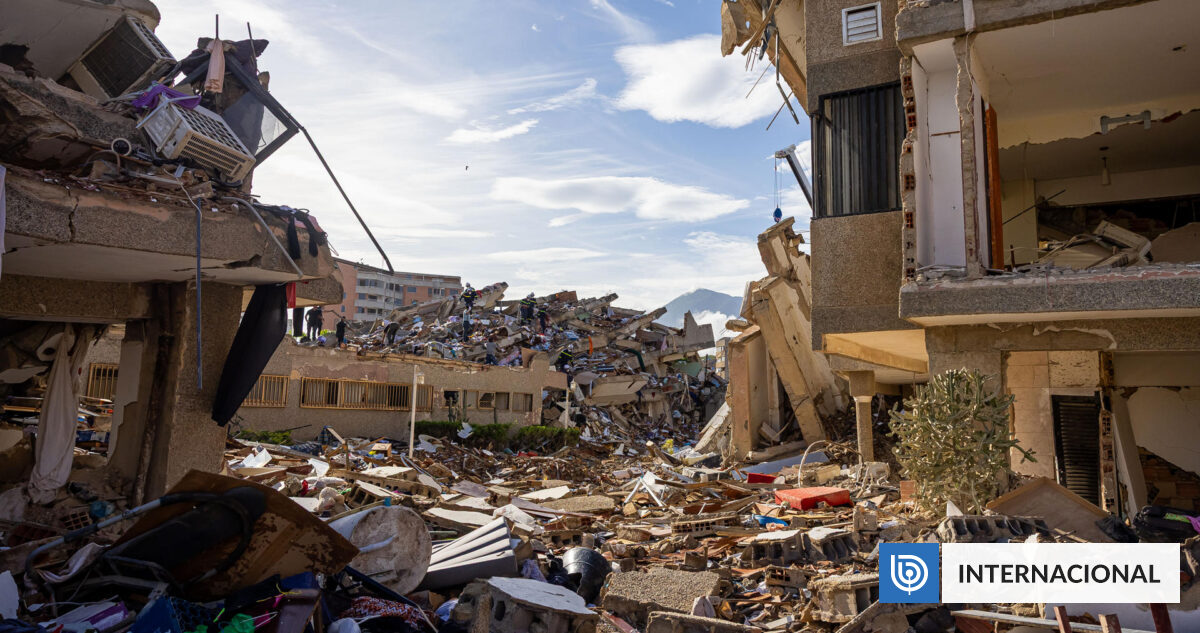
Venezuela Earthquakes: Death Toll Rises to 1 943 Amid Rescue Challenges and 59 000 Damaged Buildings
The death toll from the series of earthquakes that struck northern Venezuela has risen to 1,943, according to reports from June 30, 2026. Data from the National Aeronautics and Space Administration (NASA) indicates that approximately 59,000 buildings have sustained damage, complicating ongoing rescue operations in Caracas and La Guaira.
Scale of the Infrastructure Crisis
The seismic events have left a trail of structural instability across the northern region of the country. NASA’s latest satellite assessments confirm that the density of the damage is concentrated in urban centers, where multi-story residential and commercial units were compromised by the initial shocks and subsequent tremors. The sheer volume of affected structures has created a bottleneck in recovery efforts.
Rescue teams are currently facing a critical labor and equipment deficit. While there is no shortage of emergency personnel, the lack of heavy machinery—such as hydraulic excavators, debris-handling cranes, and specialized structural sensors—has slowed the process of reaching individuals potentially trapped beneath the rubble. This logistical hurdle is currently the primary obstacle to improving survival rates in the hardest-hit districts.
For those managing damaged commercial properties or multi-family residential complexes, the legal and logistical requirements for stabilization are immense. Property owners are currently seeking assistance from Emergency Restoration Contractors to ensure that assessments meet safety codes before any reconstruction begins.
Historical Context of Seismic Activity in Venezuela
This event marks a significant point in the seismic history of Latin America. According to geological data, Venezuela has now recorded two of the ten most lethal earthquakes in the history of the region. The proximity of the epicenters to major population hubs like Caracas and La Guaira has magnified the human impact, as these areas were not only densely populated but also characterized by aging infrastructure.

The situation remains fluid. A new tremor was recorded on June 30 in the Caracas and La Guaira sectors, just five days after the initial double-earthquake event. This secondary seismic activity has triggered further panic and forced a suspension of operations in several zones deemed too unstable for rescue teams to enter. The geological instability poses a long-term threat to the regional economy and the viability of existing construction projects.
Navigating Liability and Recovery
The scale of destruction has raised immediate questions regarding building codes and the liability of developers and municipal oversight bodies. As authorities begin to shift from search-and-rescue to damage assessment and long-term recovery, the legal environment is becoming increasingly complex.
Commercial stakeholders are facing significant pressure to prove structural integrity or manage the fallout from total losses. In this climate, legal oversight is essential for navigating insurance claims and municipal zoning disputes. Many firms are now engaging Commercial Real Estate Attorneys to help navigate the regulatory hurdles associated with disaster-impacted land use and liability protection.
| Metric | Status/Value |
|---|---|
| Confirmed Fatalities | 1,943 |
| Estimated Damaged Buildings | 59,000 |
| Primary Impact Zone | Northern Venezuela (Caracas, La Guaira) |
| Last Significant Tremor | June 30, 2026 |
The Path Forward for Municipal Infrastructure
The recovery process will likely span several years, requiring an overhaul of regional building standards. The current bottleneck—defined by a high number of human operators but a severe deficit in specialized machinery—highlights the necessity for a more integrated disaster response framework. Without an influx of specialized technology and a clear legal path for reconstruction, the recovery timeline will remain extended.

As the region attempts to regain a sense of normalcy, the focus must shift toward long-term structural resilience. Organizations tasked with municipal planning are currently consulting with Civil Engineering Firms to determine which sectors require immediate demolition versus those that can be retrofitted to meet updated safety standards.
The tragedy in northern Venezuela serves as a sobering reminder of the fragility of urban infrastructure in high-seismic zones. As recovery efforts continue under the shadow of persistent tremors, the ability of local governments to coordinate with private sector experts will determine the speed at which these communities can rebuild. The loss of thousands of lives is not merely a statistic; it is a profound indicator that the current emergency response capacity is insufficient for the scale of the crisis at hand.