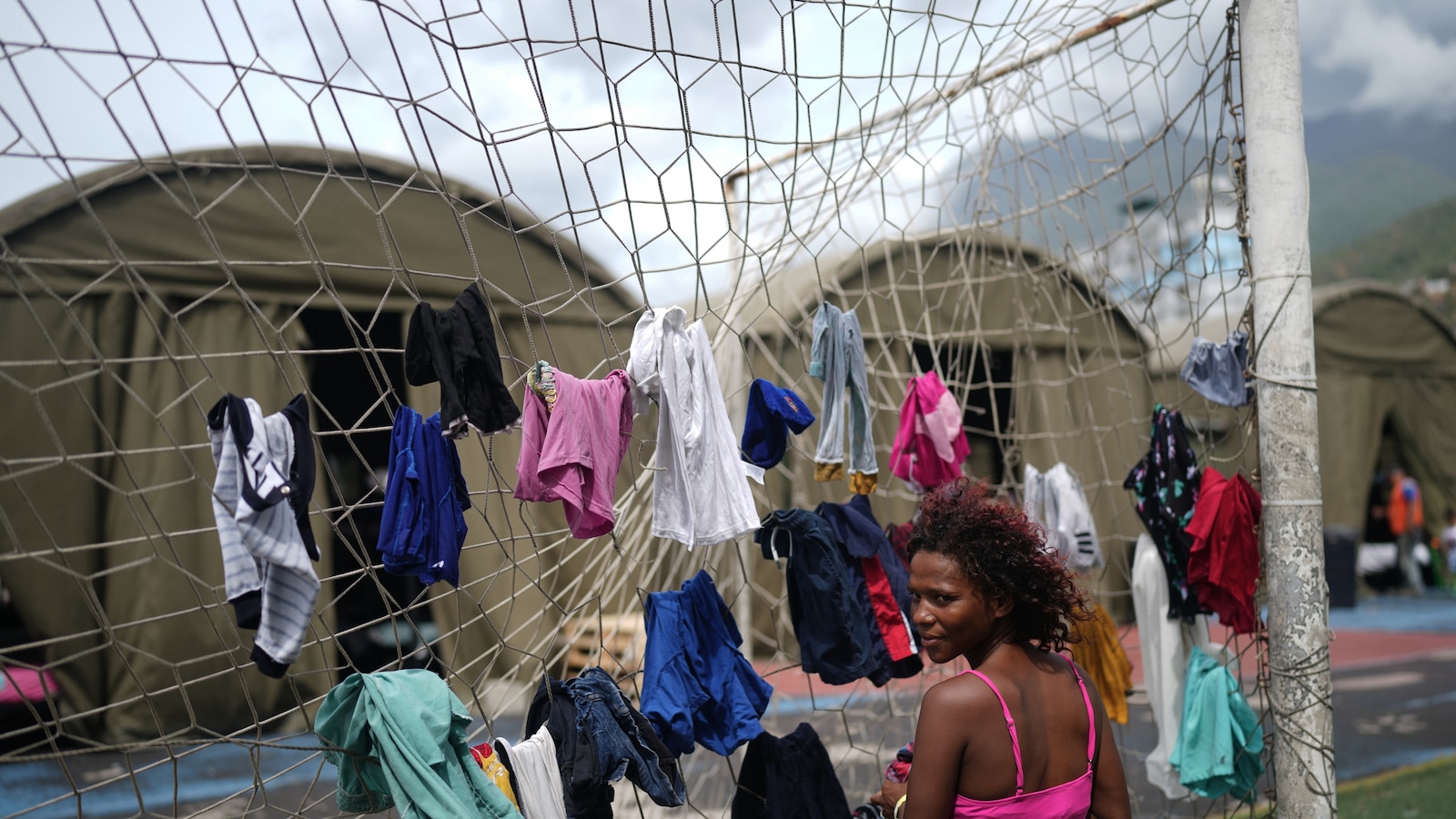
Venezuela Earthquake Victims Overwhelm Relief Services
As of July 9, 2026, Venezuela faces a escalating public health crisis in regions devastated by last month’s powerful earthquakes. Thousands of survivors are suffering from acute diarrheal diseases and chronic illness, driven by the collapse of water sanitation systems and the severe strain on local medical relief services.
Infrastructure Collapse and the Public Health Emergency
The seismic events that struck Venezuela in June 2026 did more than destroy housing; they effectively dismantled the fragile water distribution networks in several provinces. According to data from the World Health Organization (WHO), seismic activity often leads to the cross-contamination of groundwater supplies, a reality now playing out across the affected Venezuelan municipalities. The loss of potable water access has forced displaced families to rely on untreated sources, leading to a surge in waterborne illnesses.
Public hospitals, already struggling with pre-existing maintenance backlogs, are now overwhelmed. The lack of basic medical supplies, including rehydration salts and antibiotics, has turned manageable cases of gastroenteritis into life-threatening emergencies. For families in these zones, the situation is dire.
Securing clean water and sanitation is no longer a luxury; it is the primary barrier between survival and further contagion. In these high-risk areas, families are increasingly turning to emergency water and sanitation logistics providers to secure temporary filtration and storage solutions where state services have failed to reach.
The Economic Ripple Effect on Regional Stability
The crisis is not limited to immediate medical needs. Local municipal economies have stalled as the labor force deals with ongoing health complications and the displacement of family members. The World Bank has previously documented that in developing economies, the recovery period after a disaster is significantly extended when public health infrastructure fails to stabilize within the first 30 days.
Local community leaders have expressed deep frustration with the pace of the government’s restorative efforts.
“We are seeing a total breakdown in the basic support systems that keep a neighborhood functional. The sick are not getting the care they need, and the healthy are too busy trying to find water to keep the local economy moving,”
noted a community organizer working in the hardest-hit district, who requested anonymity due to the sensitivity of the ongoing relief operations.
This volatility creates a secondary set of challenges for local businesses and property owners. As infrastructure remains compromised, many are seeking assistance from disaster recovery and risk mitigation consultants to navigate the complex process of securing site safety and long-term operational viability.
The Regulatory and Legal Vacuum
Navigating the aftermath of a natural disaster in Venezuela requires an understanding of both current emergency decrees and historical administrative protocols. The current administration has issued varying directives regarding the allocation of international aid, yet the distribution remains uneven. This has led to a climate of legal uncertainty for those attempting to organize private aid efforts.
For those managing humanitarian assets or trying to assist in rebuilding efforts, the regulatory environment is a logistical minefield. Many organizations are now consulting with specialized administrative law firms to ensure their relief efforts comply with evolving municipal mandates and federal restrictions, preventing the seizure or misdirection of critical medical supplies.
Long-term Outlook for Affected Communities
The timeline for recovery remains uncertain. As of July 9, the focus remains on stabilizing the health crisis, but the secondary impacts of the earthquake—including the potential for permanent displacement—are becoming clearer. The lack of a robust, centralized emergency response has forced a reliance on decentralized, community-led initiatives.
History suggests that without a systemic overhaul of the regional water infrastructure, the risk of recurring outbreaks will persist long after the initial relief efforts conclude. The current surge in diarrhea and chronic disease serves as a warning for the long-term health trajectory of these populations. As the recovery enters its second month, the focus must shift from reactive triage to sustainable infrastructure investment.
The path forward for those affected involves a combination of immediate medical intervention and the long-term professional management of site safety and legal compliance. Whether you are a local stakeholder, a relief coordinator, or a business owner trying to stabilize your operations, the complexity of this disaster requires expert oversight. Connecting with verified disaster relief and infrastructure specialists is the most effective way to address the systemic failures currently hindering the recovery of Venezuela’s quake-hit regions.