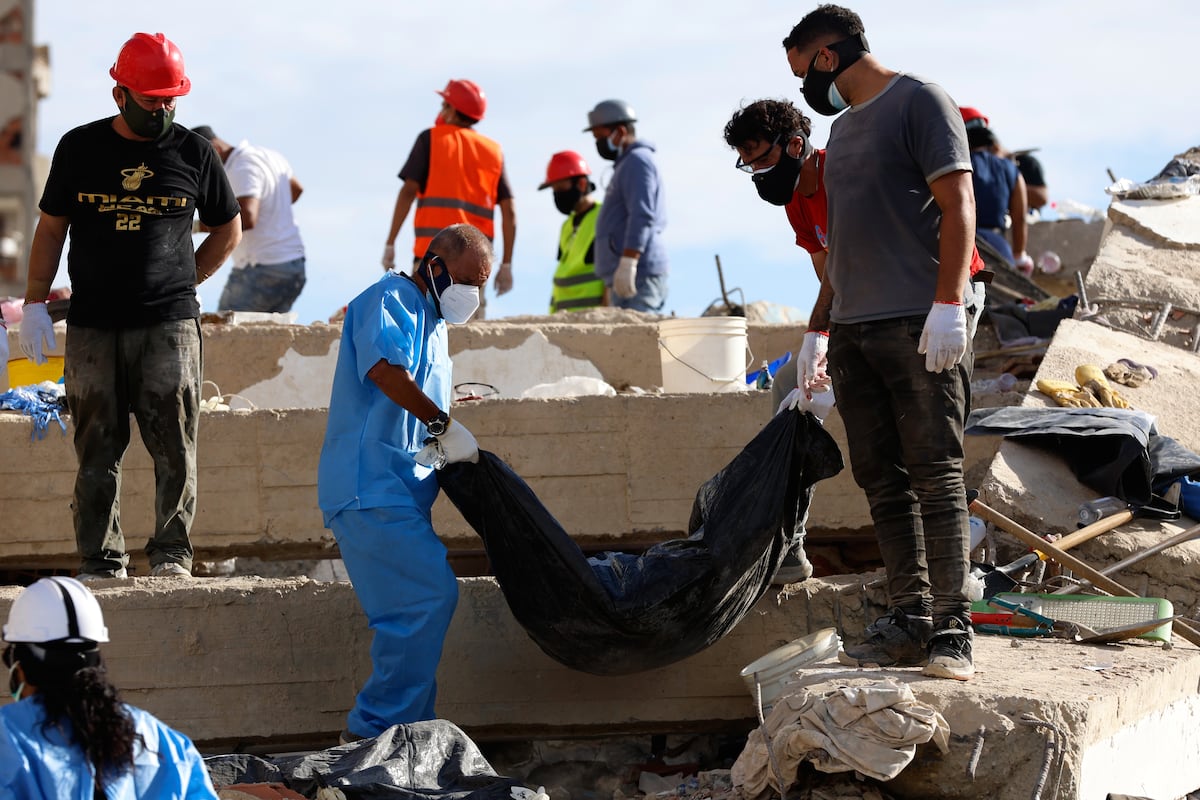
Venezuela Earthquake: Spanish Dead, Missing, and Latest Updates
Nine Spaniards have died and 152 remain missing after a double earthquake struck western Venezuela on June 28, 2026, with authorities warning of potential aftershocks and infrastructure collapse in states like Falcón and Lara. The disaster has triggered a humanitarian crisis, exposing gaps in regional emergency response and forcing Spain to accelerate evacuation efforts while Venezuela’s government struggles to coordinate relief.
Why Venezuela’s Earthquakes Are a Crisis Beyond the Numbers
The 6.5-magnitude quake that hit Falcón state on June 27, followed by a 6.3-magnitude tremor in Lara the next day, has left entire communities cut off. According to Spain’s Foreign Ministry, the death toll among its citizens has now reached nine, with 152 still unaccounted for—figures that align with local reports from Venezuela’s National Emergency Board. The quakes struck at 10:30 PM local time, when many were asleep, amplifying the devastation.

This is not Venezuela’s first seismic crisis. In 2018, a 7.3-magnitude quake in the same region killed 16 people and left thousands homeless. Yet this time, the scale of destruction is worse. Why? Experts point to three factors: historical seismic activity in the region, weakened infrastructure from years of economic decline, and delayed international aid due to political tensions.
Where Are the Worst-Hit Areas—and What’s Next?
The epicenter was near Pueblo Nuevo, Falcón, a town where a majority of buildings are now uninhabitable. In Lara, the city of Barquisimeto—Venezuela’s fourth-largest—has seen bridges collapse and hospitals overwhelmed. The Venezuelan government has declared a state of emergency, but local officials admit they lack resources to handle the scale of the disaster.
Local officials in Barquisimeto have described the devastation, emphasizing the urgent need for international assistance to address critical infrastructure failures.
How Spain’s Evacuation Effort Is Unfolding—and What It Means for the Future
Spain has evacuated 76 of its citizens from Venezuela, with more flights expected. José Manuel Albares, Spain’s Foreign Minister, confirmed that Spain will lead reconstruction efforts once conditions stabilize. But the question remains: Who will fund and manage the rebuilding? Venezuela’s economy, already in crisis, cannot shoulder the cost alone.

The disaster has also reignited debates about regional cooperation. While Colombia and Panama have offered aid, Venezuela’s government has faced criticism for slow response times. Meanwhile, local NGOs are stepping in where the state has failed—distributing food, setting up temporary shelters, and coordinating search-and-rescue operations.
The Human Cost: Stories from the Ground
In Pueblo Nuevo, residents describe scenes of chaos. “We’re living in the streets now,” said María López, a 45-year-old teacher. “The schools are gone, the hospitals are gone, and the government isn’t here.” Her words echo reports from El País, which details how entire families have been separated by the quakes.
The missing persons toll—152—is particularly alarming. Many were trapped in collapsed buildings, and rescue teams are still combing through rubble. With aftershocks expected, the risk of further casualties remains high.
What’s the Long-Term Impact on Venezuela’s Economy?
The earthquakes have dealt a blow to Venezuela’s already struggling economy. The oil-rich region of Falcón accounts for a significant portion of the country’s GDP, and damage to refineries and pipelines could disrupt production. Analysts warn that foreign investment will dry up further unless stability is restored.
The disaster also highlights Venezuela’s corruption challenges. Reports suggest that emergency funds have been diverted, leaving communities with little support. Transparency International has called for international oversight of relief efforts.
Who’s Stepping Up to Solve the Problems?
With regional infrastructure heavily compromised, securing vetted emergency restoration contractors is now the critical first step. Meanwhile, humanitarian NGOs are leading search-and-rescue missions and distributing aid. For legal guidance on property damage and insurance claims, affected individuals should consult specialized disaster law firms.

Spain’s role in reconstruction will be pivotal. Albares has pledged €50 million in aid, but the challenge of rebuilding will require coordination with global development agencies and private-sector partners.
The Bigger Picture: Why This Disaster Matters Beyond Venezuela
The quakes serve as a warning for Latin America’s seismic hotspots. Countries like Colombia, Ecuador, and Chile—all prone to earthquakes—must strengthen their disaster preparedness. The crisis also underscores the need for climate-resilient infrastructure, as rising temperatures increase the frequency of natural disasters.
For Venezuela, the road to recovery will be long. Local leaders have called for unity in the face of the crisis, emphasizing that political divisions must be set aside to address the humanitarian needs.
As the world watches Venezuela’s crisis unfold, one thing is clear: disasters reveal what a society is built on—and what it lacks. For those affected, the next steps are survival. For the rest of us, the question is whether we’ll learn from this tragedy before the next one strikes.