Venezuela Earthquake Death Toll Surpasses 6,500 Two Months After Disaster
Two months after consecutive magnitude 7.2 and 7.5 earthquakes devastated northern Venezuela on June 24, 2026, the interim government reports that the death toll has climbed to 6,509. According to a balance published on Monday, August 24, 2026, the hardest-hit coastal state of La Guaira continues to face severe structural destruction, displaced populations, and ongoing search operations for missing residents.
The latest official bulletin adds 71 fatalities to the previous count of 6,438. While administrative tallies tick upward, the crisis on the ground remains acute. Thousands of families continue to navigate precarious conditions in temporary camps, struggling against heavy seasonal rains and deeply compromised public infrastructure.
The Scale of Destruction in La Guaira
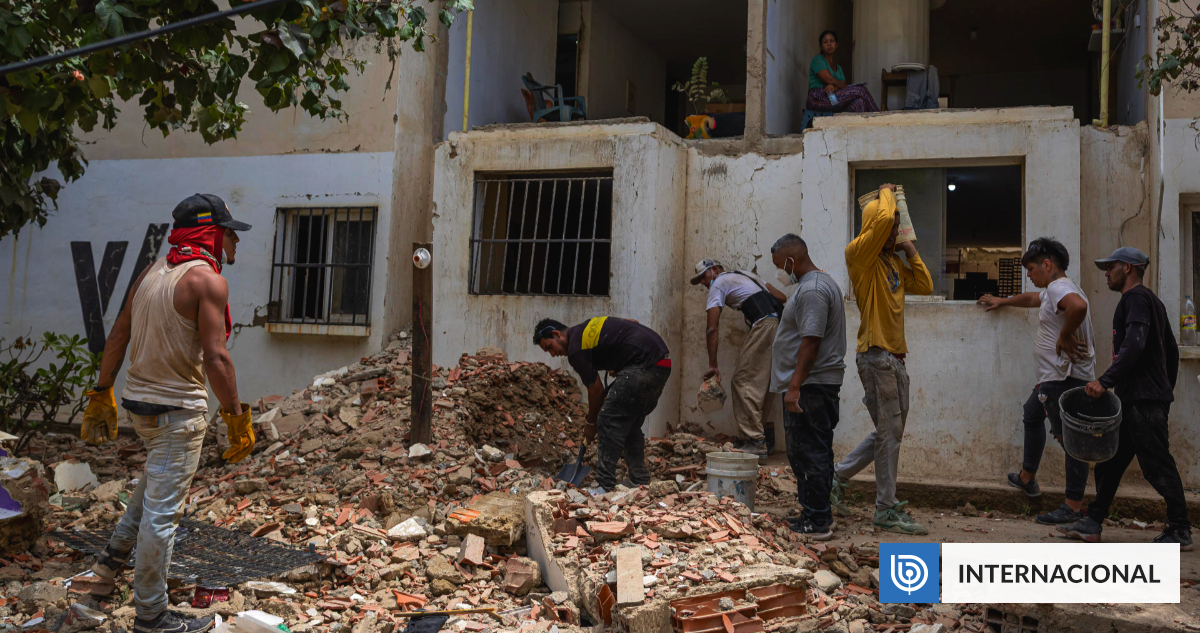
La Guaira remains the epicenter of the tragedy. According to government figures, at least 190 buildings collapsed entirely during the initial twin sismos. The sheer volume of masonry, twisted rebar, and concrete has overwhelmed local cleanup crews. Official data indicates that roughly 28% of the debris has been cleared so far, with teams collecting 600,790 tons of rubble.
Delcy Rodríguez stated during a national address on Monday that the government is utilizing local teams, international technicians, and United Nations specialists to execute controlled demolitions of structures teetering on collapse. Experts and government officials estimate that complete debris removal could take up to a full year.
In response to the logistical nightmare of clearing blocked roadways and unstable zones, the United States government delivered 20 heavy teleoperated machines to Venezuela last week. According to the U.S. charge d’affaires in Caracas, John Barrett, these machines—coordinated alongside the firm TFI Solutions—are designed to clear hundreds of thousands of tons of debris safely in difficult-to-reach areas.
Housing Deficits and Humanitarian Realities
More than 25,000 displaced citizens were forced into temporary camps following the disaster. The interim government reports that it has delivered 335 new housing units, benefiting 1,172 people, alongside 1,001 successfully rehabilitated homes supporting an additional 3,503 residents.

Meanwhile, international humanitarian assistance is dwindling. Representatives of international non-governmental organizations, including Aurora Pretel of the Spanish Association Solidaridad Vasco Ecuatoriana, note that immediate survival needs—specifically clean water, basic hygiene products, and critical medical supplies—remain severely unmet in the makeshift shelters.
Public health infrastructure has absorbed a massive shock. Jorge Rodríguez reported that 226,696 people have received hospital treatment since the disaster struck, marking an increase of 140,338 patients compared to mid-August tracking data.
Infrastructure Strain and the Long Road to Recovery
The earthquakes severely exacerbated pre-existing structural crises across Venezuela, particularly regarding power generation and water distribution systems. President Rodríguez acknowledged that while electrical stability remains a persistent hurdle, the administration has signed new agreements aimed at expanding thermal power generation capacity.

The World Bank values the direct physical destruction at approximately 19.6 billion dollars.
As recovery operations transition from immediate rescue to structural rehabilitation, municipalities face unprecedented civil engineering and rebuilding challenges. Securing vetted local resources, certified construction auditors, and emergency management services remains paramount for regional stability.