
Vector-Borne diseases on the Rise in the UK: A Growing Threat
London,UK – august 18,2025 – A Labrador named Toby’s case has highlighted a concerning trend: the increasing presence of exotic vector-borne diseases in the United Kingdom. The dog’s diagnosis with Leishmania infantum, a parasitic disease typically found in southern Europe, underscores a shift in disease patterns driven by climate change, international travel, and animal movement.
A Canine Case Reveals a Wider Problem
Toby,a beloved family pet,initially presented with hair loss and itchy skin. While initially attributed to common allergies, his condition worsened, leading to weight loss and swollen lymph nodes. diagnostic testing revealed the unexpected presence of Leishmania infantum, transmitted by sandflies. Researchers note this case is one of only three recorded in UK dogs since 2019.
The Murphy family had recently returned from a trip to the Jalón Valley in Spain, raising the possibility of exposure through an infected insect or contaminated item. Toby’s successful treatment offers a positive outcome, but the case serves as a stark warning about the changing landscape of animal health in the UK.
Did You Know? Vector-borne diseases are illnesses transmitted by arthropods-like ticks, mosquitoes, and flies-and are increasingly impacting both animal and human populations globally.
The Expansion of Vector-Borne Diseases
Experts in veterinary parasitology and public health are increasingly concerned about the spread of vector-borne diseases. These illnesses are not constrained by borders,migrating with shifting habitats and a warming climate. Studies demonstrate a clear link between environmental changes and the geographic distribution of these diseases.
Historically, the UK’s island status provided a degree of natural protection. However,factors like global warming,increased international travel,and the growing practice of cross-border pet rehoming are eroding this protection. The once “exotic” is now appearing closer to home.
Heartworm and Imported Dogs
The importation of animals is a significant contributor to the rise of exotic diseases. A study of imported dogs revealed that over a quarter tested positive for conditions uncommon in the UK,including heartworm (Dirofilaria immitis). Spread by mosquitoes, heartworm damages the heart and lungs of canines. While traditionally confined to southern Europe, it is indeed now reported in central and eastern Europe, with isolated cases appearing further north and west. Recent data shows a concerning trend of northward expansion.
Equine Threats: Piroplasmosis and African Horse Sickness
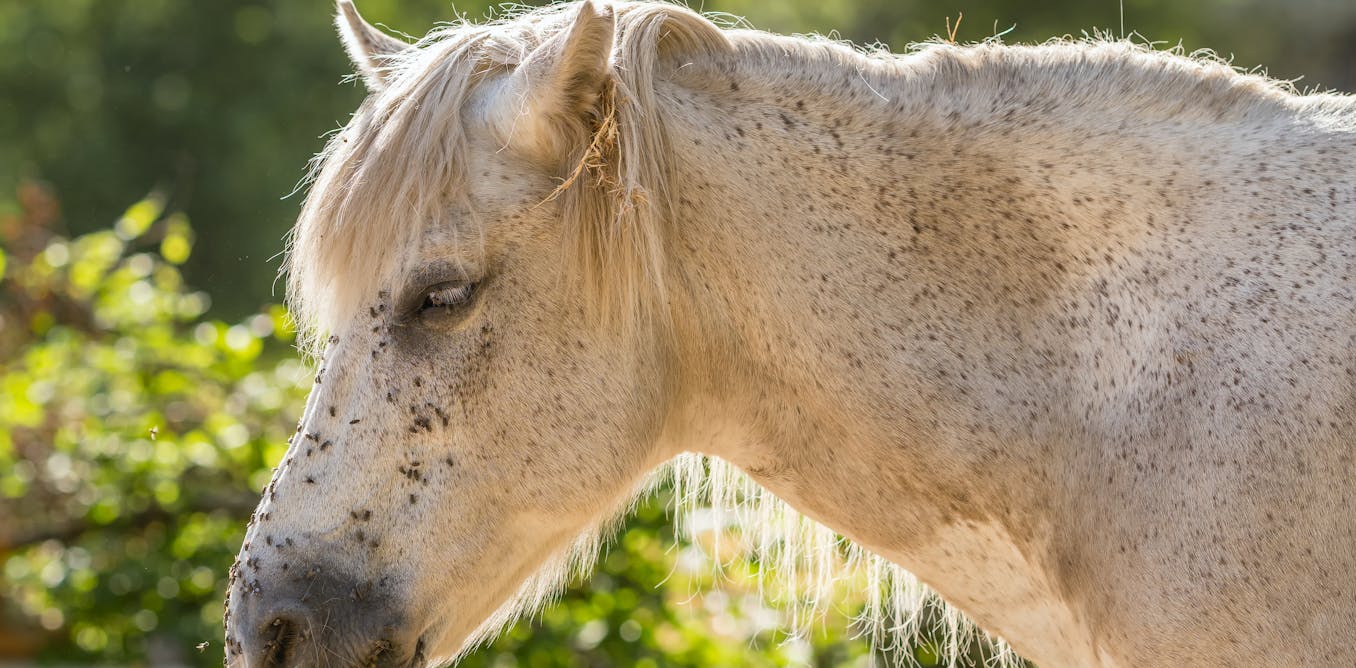
horses are also vulnerable. Equine piroplasmosis (EP),transmitted by ticks,can cause severe illness or death. Once limited to southern Europe, EP is now a concern for the UK equine industry due to expanding tick habitats and animal movement. Blood tests have shown antibodies to the parasite in some horses in Britain and Ireland, indicating exposure. Investigations are ongoing to assess the extent of the threat.
African Horse Sickness, a midge-borne virus, has caused devastating outbreaks in the past, notably in Spain, Portugal, and Morocco in the late 1980s. While the current risk to the UK is low, the presence of midges capable of transmitting the virus, coupled with climate modeling, suggests conditions are becoming increasingly favorable for its establishment and spread. Researchers are actively monitoring these developments.
| Disease | Vector | Geographic Trend | Impact on animals |
|---|---|---|---|
| Leishmaniasis | Sandflies | Expanding northward from Southern Europe | Chronic illness, potential fatality in dogs; can infect humans |
| Heartworm | Mosquitoes | Expanding northward and westward from Southern Europe | Heart and lung damage in dogs |
| Equine Piroplasmosis | Ticks | Increasing prevalence in the UK and ireland | Severe illness or death in horses |
| African Horse Sickness | Midges | Potential for establishment in the UK due to climate change | Devastating outbreaks, high mortality in horses |
Zoonotic Potential: Risks to Human Health
The close relationship between humans and companion animals creates a risk of zoonotic transmission - the spread of diseases from animals to people. Exotic parasites like Echinococcus multilocularis, Leishmania infantum, and Dirofilaria immitis can infect humans, sometimes with serious consequences.
Echinococcus,such as,is often carried by dogs without symptoms,shedding eggs that can contaminate the habitat. Human infection occurs through accidental ingestion of these eggs. The two species of greatest concern are echinococcus granulosus and E. multilocularis, causing different forms of echinococcosis.
While E. granulosus is present at low levels in the UK, E. multilocularis has not been detected but remains under surveillance. A 2019 case in ireland involving a woman with no travel history suggests the parasite may already be circulating undetected, highlighting the need for continued vigilance. This case underscores the importance of proactive monitoring.
Pro Tip: Regular veterinary check-ups and preventative treatments are crucial for protecting your pets – and yourself – from vector-borne diseases.
Recent cases of cyst-forming parasites in donkeys have also emerged, with the first UK case documented in 2020 and the first Irish case in 2023. Researchers are investigating suspected Onchocerca cervicalis in Connemara ponies, initially mistaken for “sweet itch” but responding to deworming treatment.
Protecting the UK: A Proactive Approach
Protecting the UK requires a proactive, multi-faceted approach:
- Screening animals before importation to minimize the risk of introducing parasites.
- Formal monitoring of insect vectors (flies, ticks, and mosquitoes) to track and predict spread.
- Testing local animal populations to establish a baseline understanding of disease prevalence.
- Educating veterinarians and pet owners about the risks associated with animal movement and promoting responsible practices.
A “One Health” approach - recognizing the interconnectedness of human, animal, and environmental health – is essential. This collaborative framework brings together experts from various fields to share data, monitor threats, and develop coordinated prevention strategies. By acting early, we can limit the spread of these parasites before they become firmly established.
What steps can pet owners take to protect their animals and themselves from these emerging threats? How can we improve surveillance and preparedness for future outbreaks?
The rise of vector-borne diseases is a global trend, driven by climate change and increased interconnectedness. Continued research and international collaboration are crucial for understanding and mitigating these risks. The UK’s proactive approach to surveillance and prevention will be vital in protecting both animal and human health in the years to come.
Frequently Asked Questions
- What are vector-borne diseases? These are illnesses transmitted by arthropods like ticks,mosquitoes,and flies.
- How is climate change impacting vector-borne diseases? Warming temperatures are expanding the geographic range of vectors and increasing their activity.
- Can my pet transmit a vector-borne disease to me? Yes,some parasites can jump from animals to humans,posing a zoonotic risk.
- What can I do to protect my pet from vector-borne diseases? Regular veterinary check-ups, preventative treatments, and avoiding high-risk areas are essential.
- Is the UK at risk of a major outbreak of a vector-borne disease? While the risk is currently low, the increasing prevalence of these diseases warrants proactive monitoring and prevention efforts.
We hope this article has provided valuable insight into the growing threat of vector-borne diseases. Please share this data with your friends and family, and don’t hesitate to leave a comment below with your thoughts and questions. Subscribe to our newsletter for more in-depth coverage of critical health and environmental issues.
