
Valve’s Expanding Ecosystem: Deck, Frame, Machine, and Controller
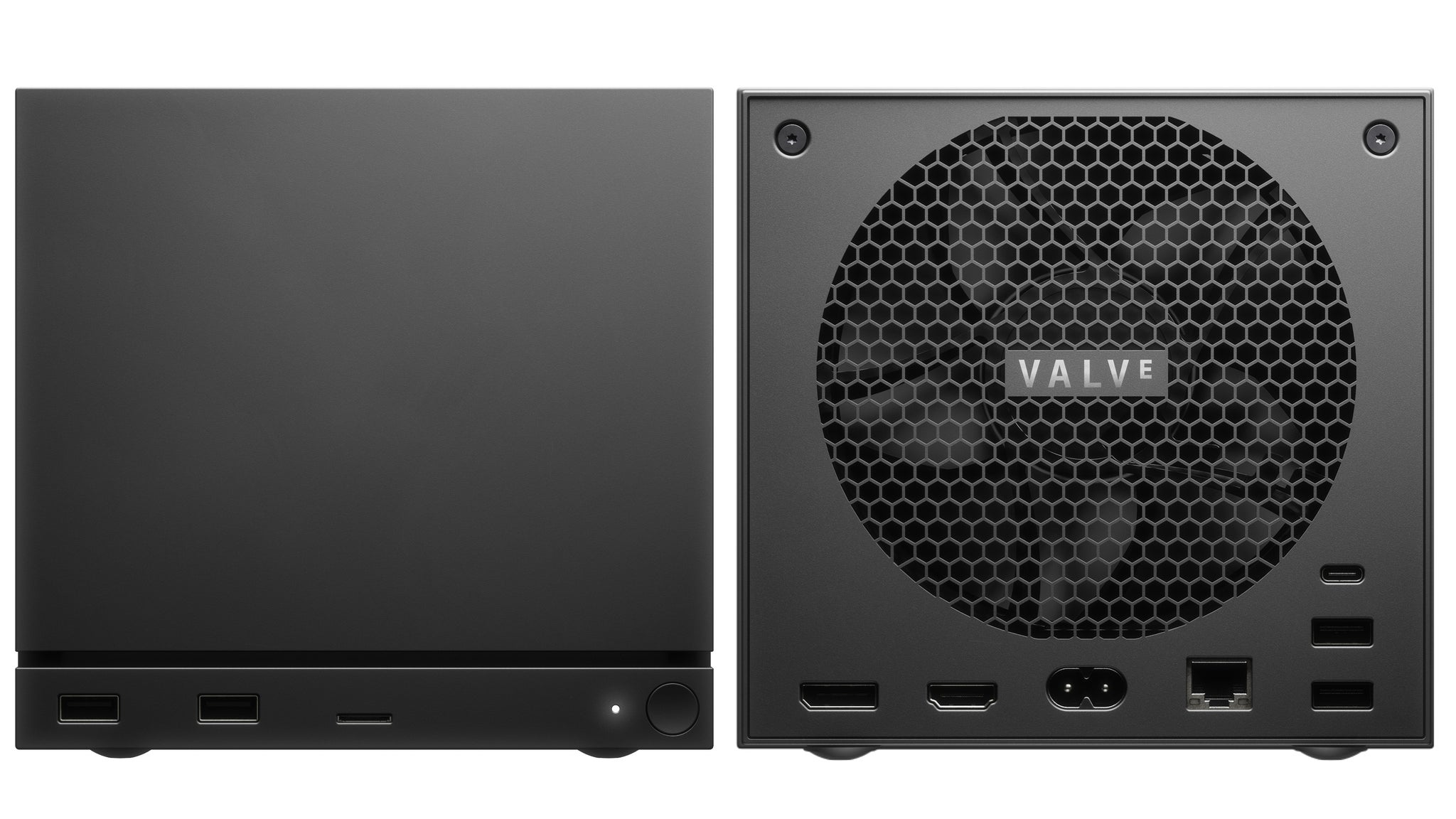
Valve is developing a thorough gaming ecosystem centered around the Steam platform, encompassing the Steam Deck, the new Steam Frame VR/AR headset, the steam Machine PC, and a redesigned Steam Controller. This expansion aims to provide gamers with increased adaptability in how and where they play PC games,potentially positioning Valve as a more direct competitor to traditional console manufacturers.
The Steam Frame is a wireless VR/AR headset that utilizes a novel streaming approach. unlike traditional headsets, the frame streams game visuals wirelessly from a PC, employing a technology called Foveated Streaming. This technique prioritizes bandwidth allocation to the area the user is directly looking at, enhancing perceived clarity while optimizing performance. Valve is including a Wi-Fi 6E dongle to ensure a robust wireless connection, with the headset utilizing separate 5GHz and 6GHz radios to avoid interference between internet access and streamed data.
Beyond VR-specific titles like Half-Life: Alyx, the Frame can also render traditional “flat” PC games within a virtual surroundings. During a recent briefing, Valve demonstrated Hades 2 running at 1440p and 90fps. This is achieved through a translation layer called Fex, which converts standard x86 and x64 PC instructions into a format compatible with the frame’s ARM-based processor. Valve plans to implement a “Frame Verified” rating system, similar to the “Deck Verified” program for the Steam Deck, to indicate games that perform optimally on the Frame.
The broader strategy involves seamless integration between all four devices. Features like game swapping via MicroSD cards, expanded input options, and streaming capabilities are designed to work across the Deck, Frame, Machine, and Controller. Valve anticipates that by early 2026, users will have a versatile range of options for accessing their Steam game library in various settings.
This move positions Valve as a potential competitor to Sony, Nintendo, Microsoft, and even Meta’s VR ecosystem, as well as the Windows OS itself. The potential for lower game prices on Steam compared to consoles coudl further incentivize gamers to adopt Valve’s hardware. Valve maintains that its primary motivation is innovation rather than direct competition, but the potential impact of these new products is notable. The company has a history of entering new markets with impactful products, a pattern frequently enough referred to as “Valve Time” due to the company’s purposeful release schedule.
While this overview is based on a preview of the hardware and software, a full assessment will require hands-on testing. However, Valve’s latest developments have undoubtedly generated considerable excitement within the gaming community.
