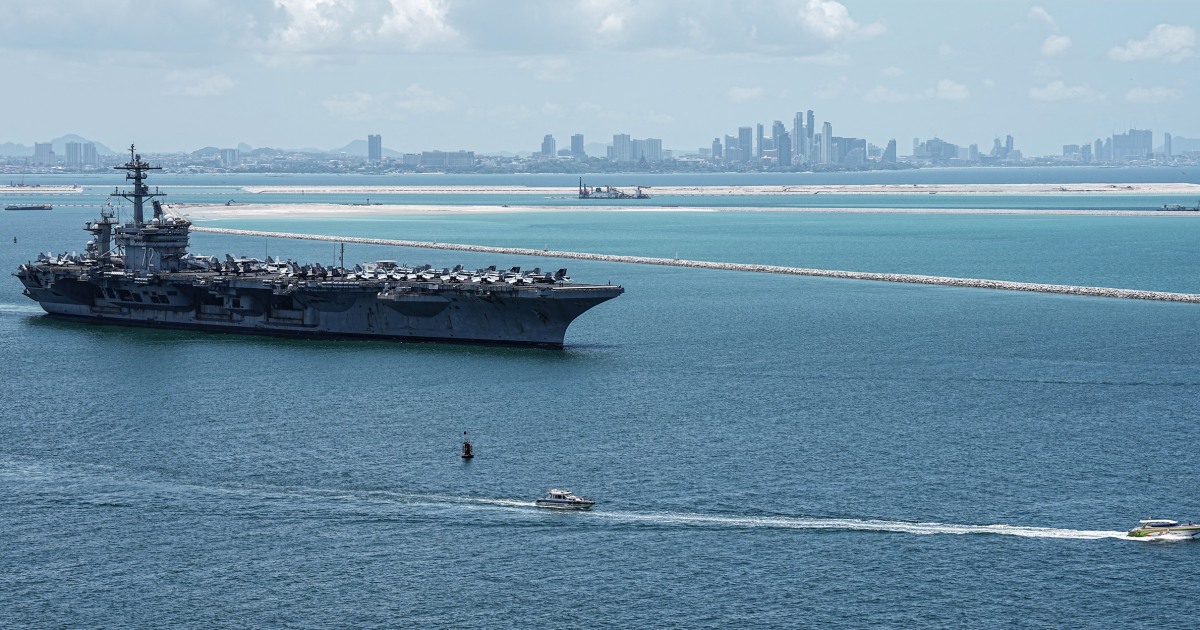
USS Abraham Lincoln Returns Home After 300 Days Amid Suicide Reports
The USS Abraham Lincoln is scheduled to dock in San Diego this Thursday, concluding a deployment that has stretched beyond 300 days. The aircraft carrier, which carries approximately 7,500 personnel, returns home following an extended mission in the Middle East that drew significant scrutiny regarding crew welfare and operational duration.
Pete Hegseth Extended Ship Mission Twice
According to reporting from The Associated Press, Defense Secretary Pete Hegseth acknowledged to crewmembers on Wednesday that he personally signed the orders to extend the ship’s mission twice following the outbreak of the war in Iran in February. Hegseth told the crew he was the “only thing standing between you and home,” according to the same report.
Eight Service Members Attempted Suicide During Deployment
The extended time at sea has prompted intense concern from family members and Navy officials regarding the psychological toll on service members. A letter sent last month to Sen. Kirsten Gillibrand, D-N.Y., by a top Navy official and obtained by NBC News confirmed that at least eight service members attempted suicide during the deployment. These incidents involved sailors from the carrier air wing, the strike group, the destroyer squadron staff, and various aviation squadrons.
While no deaths on the ship have been attributed to suicide, the reports have sparked debate over the impact of long-duration deployments without regular port calls. The vessel remained at sea for 286 days without a port visit before docking in Thailand in early September. Family members have described the environment as detrimental to mental health, with one parent comparing the situation to a television horror series and noting a marked decline in their son’s demeanor during the mission.
Logistical Strains and Sailor Goes Overboard
Beyond mental health, the length of the deployment strained the ship’s logistical capabilities. Families reported concerns regarding food supplies and general morale as the Trump administration continued to push back the ship’s arrival date. U.S. officials also confirmed to NBC News that a sailor assigned to the air wing went overboard in early August. The individual was rescued, treated, and subsequently transferred off the ship for further medical care.
Navy leadership initially stated that they had not observed a statistical increase in suicidal ideations or attempts aboard the ship. This position preceded the disclosure of the eight confirmed attempts detailed in the correspondence with Sen. Gillibrand.

Support for Service Members and Families
The return of the crew marks the end of a logistical and emotional period for thousands of families. Dealing with the aftermath of such high-stress deployments often requires specialized support. Families of service members facing mental health struggles or those seeking to address administrative concerns regarding military service frequently consult with licensed mental health professionals, military family support organizations, or legal counsel specializing in military affairs to address long-term impacts on well-being and service records.
The question of how such extended, non-rotational deployments affect the long-term retention and health of naval personnel remains a subject of ongoing discussion within the Department of Defense.