USPS Whistleblower Warns Untested Trump Mail Voting Portal Risks Election Disruption
As the U.S. Postal Service rushes to implement President Trump’s executive order restricting mail-in voting ahead of the November midterm elections, an anonymous whistleblower has disclosed that the agency is deploying an untested, slapdash IT system in defiance of a federal court order, risking catastrophic delivery failures for millions of American voters.
The Whistleblower Disclosure and the Federal Ballot Mail Portal
The disclosures, published Tuesday by Sen. Richard Blumenthal (D-Conn.), the ranking Democrat on the Permanent Subcommittee on Investigations, reveal acute operational vulnerabilities within the Postal Service’s newly developed Federal Ballot Mail Portal. According to the whistleblower’s statement—drafted with the assistance of the nonprofit organization Whistleblower Aid—the platform was built to verify mail ballots pursuant to President Trump’s March executive order. California and other states are actively challenging this directive in court.
Testing of the digital platform has been fundamentally insufficient, the whistleblower warns. If allowed to proceed during the midterm elections, the software could leave millions of eligible citizens without their mail-in ballots in a timely manner, or at all. The disclosure highlights a strict zero-percent failure policy integrated into the verification process. As designed, if even a single barcode within a bulk mailing of 10,000 ballots fails to scan correctly, the entire batch is rejected and returned to the state. This technical bottleneck threatens repeated verification cycles that could halt ballot distribution entirely.
“USPS leadership, it appears, has discarded all best practices as they speed the project to be ready for a September 1 implementation—raising questions about whether catastrophic failure would be a feature rather than a bug,” the disclosure states.
Legal Battles and Competing Official Positions
Key components of the USPS plan for carrying out the presidential directives remain legally blocked by a federal judge’s ruling in Boston. While the administration actively appeals that decision—with the legal battle potentially destined for the U.S. Supreme Court—the mailing agency has continued preparing for deployment. California Atty. Gen. Rob Bonta criticized the rollout, stating that his office has argued in court that the agency cannot credibly implement such drastic changes in time for the November midterms. The whistleblower disclosure, Bonta added, strengthens that legal position.
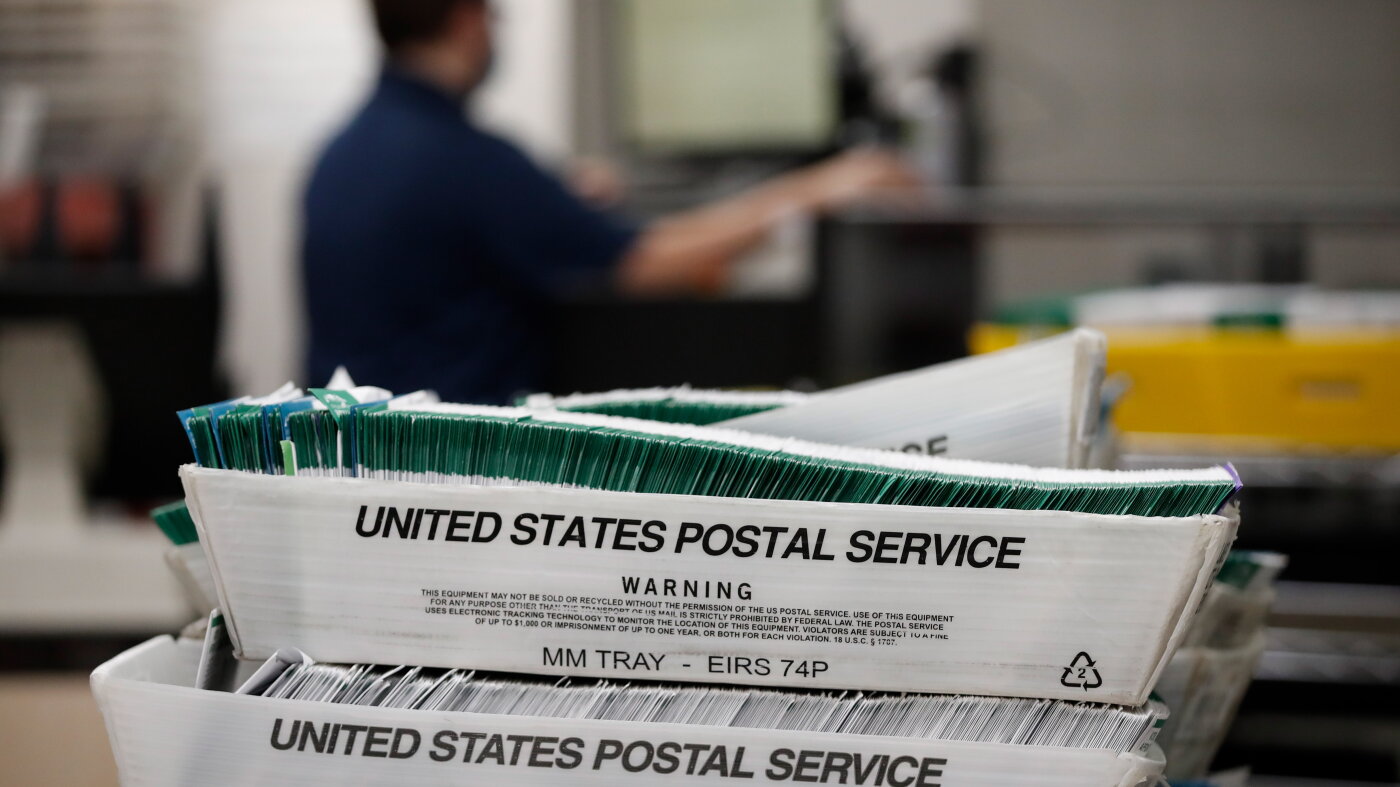
Other regional lawmakers expressed strong opposition. Rep. Robert Garcia (D-Long Beach), ranking Democrat on the House Oversight Committee, characterized the new tracking system as faulty and dangerous to election integrity. House Democrats formally requested internal documents regarding the portal’s development from Postmaster General David Steiner. Meanwhile, Gov. Gavin Newsom wrote on X that defying court orders to engage in election interference should bring prison time.

Conversely, the White House defended the initiative. Lauren Bis, a White House spokesperson, stated that building software for this verification check is neither complex nor unique for USPS, given its regular use of bulk mailing and intelligent mail barcodes for large customers. Under the administration, Bis noted, the federal government is working to ensure safe, transparent, and honest elections.
A Postal Service spokesperson maintained that the agency is carefully reviewing the concerns raised by Blumenthal and the whistleblower, welcomes oversight, and remains committed to transparency. The spokesperson added that the agency has spent months developing the portal to provide election officials with a simple, secure, and efficient way to share ballot lists, and that work has at all times been conducted consistently with court orders.
The Operational Stakes for State Election Infrastructure
With voting by mail for the midterms officially starting this week, local election offices face immense pressure. State and municipal election administrators must coordinate closely with postal facilities while evaluating whether to voluntarily utilize the platform if legal hurdles are cleared. Sen. Alex Padilla (D-Calif.) emphasized the baseline security of current voting systems on X, asserting that elections work and that the administrative pushes are intended to sow chaos for mail voting. As litigation moves through the appeals courts, the ultimate fate of the Federal Ballot Mail Portal and its impact on the November electorate hangs in a delicate balance.
The unfolding dispute underscores a profound structural clash between executive branch mandates and federal judicial oversight, leaving state election administrators caught in the middle of an unprecedented logistical race against the calendar.
>