
Energy Bills: Simple Steps to Slash Costs as Winter Bites
london, UK – As temperatures plummet and energy bills remain stubbornly high, households are urgently seeking ways to reduce consumption. experts are highlighting a combination of smart technology, simple behavioural changes, and essential maintenance as key strategies to alleviate the financial strain this winter.
The escalating cost of living crisis has put unprecedented pressure on household budgets,making energy efficiency a top priority. while government support schemes offer some relief,taking proactive steps to minimise energy usage can yield notable savings. These range from utilising smart thermostats and bleeding radiators to ensuring boilers are regularly serviced – possibly saving up to 10% on energy bills, according to Octopus Energy.
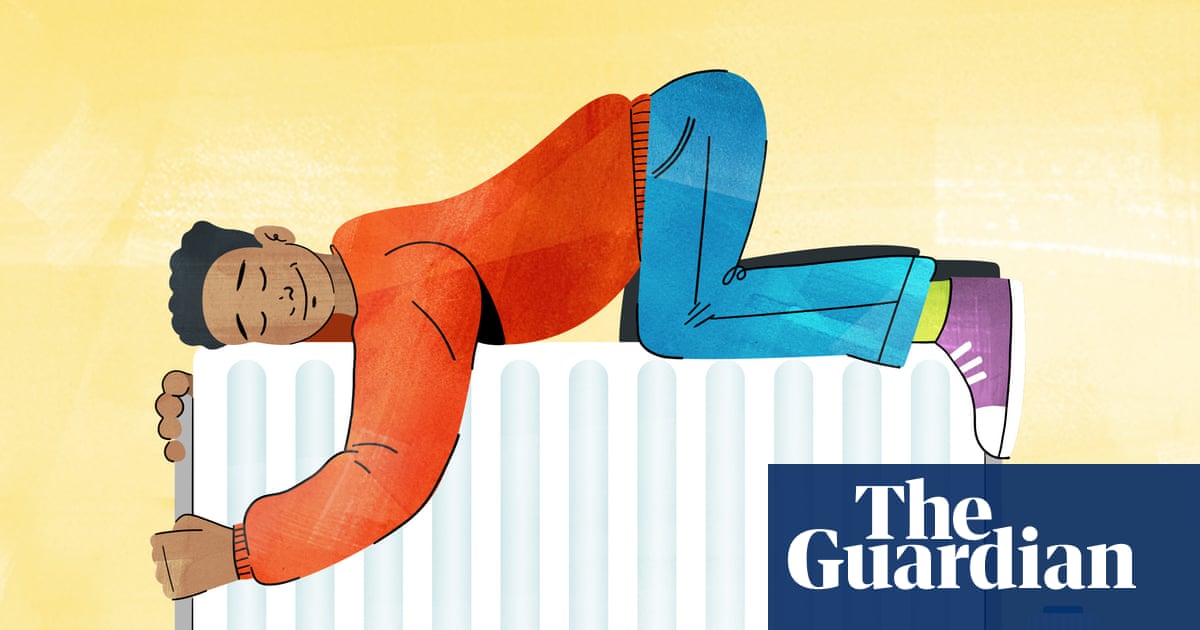
One immediate and cost-effective step is to bleed your radiators. This process releases trapped air that prevents efficient heating. A radiator key, available for £3.50 for a two-pack from B&Q, or a flat-head screwdriver can be used to open the bleed valve, typically located at the top corner of the radiator. Turn the valve anti-clockwise until a steady stream of water appears after the initial hissing of air escapes,then close it clockwise.
Beyond bleeding radiators, avoiding obstructions like furniture and curtains – especially near windows – allows heat to circulate more effectively.
Regular boiler servicing is also crucial. An unserviced boiler can use up to 10% more energy, and annual maintenance extends its lifespan by identifying and addressing minor issues. A standard boiler service typically costs between £70 and £110, according to Which?. Energy companies like British Gas offer boiler cover plans, such as HomeCare starting at £19 a month, but which? advises weighing the costs against potential annual service and repair expenses.
Landlords are legally obligated to ensure annual boiler servicing and certification for rental properties, carried out by a Gas Safe or Oftec-certified engineer, to guarantee efficiency and prevent carbon monoxide leaks, as noted by energy expert Burr.
