US Wind Turbine Orders Hit 2.8 GW in Q2: Wood Mackenzie
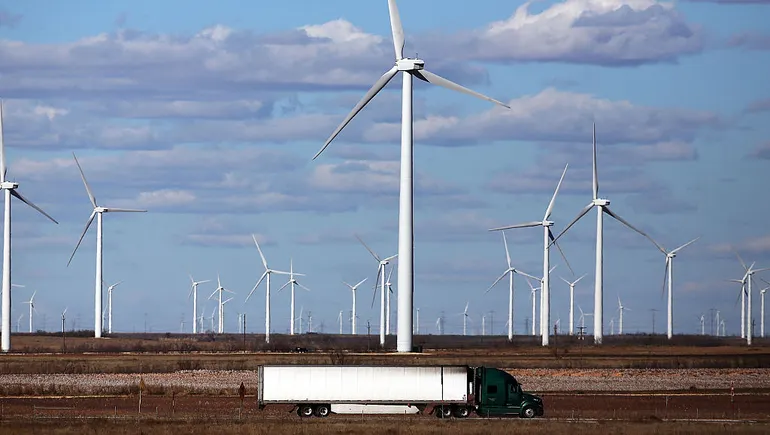
According to Utility Dive, which referenced a Wood Mackenzie study, American wind turbine orders hit 2.8 GW in this year’s second quarter as builders hurried to start work on initiatives prior to the July 4, 2026, tax credit deadlines.
Tax Credit Deadlines Drive Q2 Order Surge
Passed into law last year by President Donald Trump, the One Big Beautiful Bill Act accelerated the deadlines that wind and solar projects must meet to maintain eligibility for the 48E clean energy investment tax credit and the 45Y clean energy production tax credit. Developers missing the commence construction deadline this summer face a strict December 31, 2027 placed-in-service deadline to qualify. Projects that met the July 4 cutoff have until December 31, 2030.
“Policy is the variable with the greatest impact on wind installations,” Wood Mackenzie analyst Tyler Gifford said in a release about the report. With tax credit expirations on the horizon, developers are prioritizing projects that can be operational by 2030, keeping the five-year onshore wind installation outlook stable.

During the same second quarter, the U.S. installed about 5 GW of onshore capacity. Most of that volume came from the 3.65 GW SunZia project in New Mexico, which stands as the country’s largest such project to date. Based on the findings of the study, the domestic wind sector is still tracking toward the addition of 39 GW of new onshore capacity by the year 2030. Near-term vulnerability is restricted because more than 50% of the 2026–2028 project pipeline is either currently functioning or already being built.
Offshore Headwinds and Engineering Standards
Fewer repower equipment orders than anticipated caused the outlook for wind farm upgrades to decline by 1 GW from one quarter to the next. Tax credits continue to incentivize fleet renewal alongside opportunities from increasing decommissioning through 2030.
At the same time, offshore wind development remains limited to 5 GW delivering within the next two years as unfavorable policy limits new developments. Those headwinds include an executive order pausing new offshore wind lease sales in federal waters. The administration has additionally reached agreements with offshore wind companies to repurchase previously auctioned leases for future projects, while persistently fighting active offshore wind construction projects through legal challenges.
Another policy headwind involves upcoming engineering standards. The Wood Mackenzie analysis noted that the American Society of Civil Engineers is anticipated to release standards next year mandating that wind turbines located in regions prone to tornadoes adhere to precise design criteria, a change that will raise expenses for wind power initiatives.