
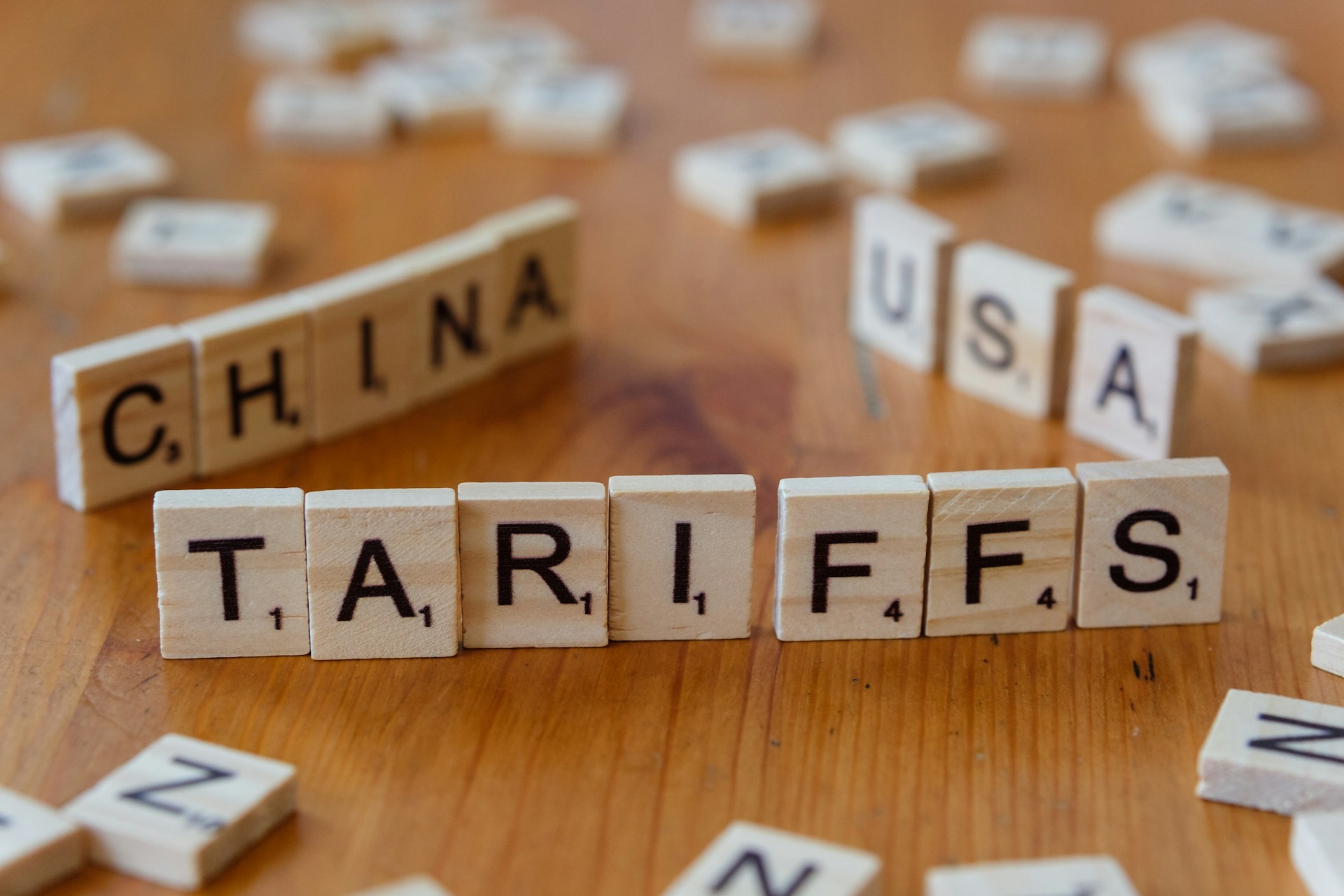
Producer Price Index Jumps, Reigniting Inflation Concerns
Washington D.C. – A notable increase in the July Producer Price Index (PPI) has rattled markets and raised new questions about the trajectory of inflation in the United States. The Bureau of Labor Statistics reported a 0.9% rise in the PPI last month, the largest monthly jump since march 2022 and a substantial deviation from economists’ predictions of a 0.2% increase. This surge pushes the annual wholesale inflation rate to 3.3%, exceeding expectations and marking a five-month high.
What is the Producer Price Index?
The PPI measures the average change over time in the selling prices received by domestic producers for their output. It serves as a leading indicator of potential consumer price increases, as businesses often pass on higher input costs to consumers. A rising PPI suggests inflationary pressures are building within the supply chain.
Impact on the Federal Reserve
The unexpected inflation data arrives at a pivotal moment for the Federal Reserve. Wall Street had largely anticipated a potential interest rate cut at the upcoming September meeting. Though, the robust PPI numbers introduce uncertainty and may compel the central bank to reconsider its monetary policy stance. While some Fed officials remain optimistic about a gradual easing of borrowing costs to support economic growth, the latest data fuels concerns about a resurgence of inflation.
The Federal Reserve aims to maintain a 2% inflation rate,a target that remains elusive despite recent progress. Federal Reserve Chair Jerome Powell has acknowledged ongoing inflationary pressures, especially those stemming from recent trade policies and tariffs .
Trump’s Tariffs and Economic Policy
President Donald Trump has consistently advocated for lower interest rates, even calling for a reduction to 1%. this stance comes as the U.S. government faces escalating interest payments on its national debt, which has surpassed $36 trillion, with interest now representing the second-largest federal expenditure. Trump has publicly criticized Jerome powell’s leadership at the federal Reserve, at times questioning his competence and even threatening legal action over perceived irregularities.
“Jerome ‘Too Late’ Powell must NOW lower the rate,” the president stated on his social media platform. He further criticized Powell’s handling of monetary policy, claiming it has hindered economic performance.
Notably, the relationship between Trump and Powell has been strained as powell’s appointment as Fed chair, particularly due to the Fed’s decision to raise interest rates during Trump’s presidency. In 2019, Trump publicly questioned whether Powell or Chinese President Xi Jinping posed a greater threat to the U.S. economy.
Jackson Hole Symposium and Future policy Signals
Investors are now keenly focused on the Kansas City Fed’s annual economic policy symposium in Jackson Hole next week. This event has historically served as a platform for the Federal Reserve to signal potential shifts in monetary policy. Last year, Chair Powell used the Jackson Hole symposium to indicate an impending adjustment in policy, preceding a series of rate cuts. Deutsche Bank analysts anticipate similar signals this year.
The Debate Over Tariff Costs
President Trump has faced criticism from economists who argue that his tariffs are contributing to inflation and are ultimately borne by American consumers. This has led to a public dispute with Goldman Sachs and its CEO, David Solomon, following a report analyzing the economic impact of the governance’s trade policies. The Goldman Sachs report suggests that U.S. businesses and consumers are absorbing a significant portion of the tariff costs, contradicting the President’s claim that foreign countries are paying them.
The President maintains that tariffs are generating “trillions of dollars” for the U.S. Treasury and are not responsible for inflationary pressures. He insists that the costs are being absorbed by “companies and governments, many of them foreign.”
Companies have been hesitant to raise prices, fearing backlash from the Trump administration. the White House previously condemned Amazon’s consideration of displaying tariff costs on its e-commerce platform, deeming it a “unfriendly and political act.” Amazon subsequently abandoned the plan.
As tariff costs continue to impact businesses, particularly those holding existing inventories, companies will face difficult choices between raising prices and accepting reduced profit margins.
Did You Know? The PPI is often considered a ‘leading indicator’ because changes in producer prices typically precede changes in consumer prices.
Key PPI Data Points
| Metric | July 2025 | Previous Month | Year-over-Year |
|---|---|---|---|
| Producer Price Index (PPI) | 0.9% | 0.2% | 3.3% |
Pro Tip: Understanding the PPI can provide valuable insights into the overall health of the economy and potential future trends in consumer prices.
What impact will the latest PPI data have on the Federal Reserve’s decision-making process? And how will businesses respond to rising input costs in the coming months?
Understanding Inflation and the PPI
The Producer Price Index is a crucial economic indicator that reflects the cost pressures faced by businesses. it’s significant to remember that inflation isn’t a single phenomenon; it can be driven by demand-pull factors (too much money chasing too few goods) or cost-push factors (rising input costs). The PPI primarily captures cost-push inflation. Monitoring the PPI alongside other economic data, such as the Consumer Price Index (CPI) and employment figures, provides a more extensive view of the economic landscape. The relationship between the PPI and CPI is complex, but generally, a sustained increase in the PPI can eventually translate into higher prices for consumers.
Frequently Asked Questions about the Producer Price Index
- What does the Producer Price Index measure? The PPI measures the average change over time in the selling prices received by domestic producers.
- Why is the PPI important? It’s a leading indicator of potential consumer price increases and provides insights into inflationary pressures.
- How does the Federal Reserve use the PPI? The Fed considers the PPI when making decisions about monetary policy, such as interest rate adjustments.
- What factors can influence the PPI? Factors include commodity prices, supply chain disruptions, and trade policies.
- Is the PPI the same as the CPI? No, the CPI measures changes in prices paid by consumers, while the PPI measures prices received by producers.
Disclaimer: This article provides informational purposes only and should not be considered financial advice.
We hope this analysis provides valuable context to the latest economic developments.Share this article with your network, and join the conversation in the comments below. Don’t forget to subscribe to World Today News for the latest breaking news and insightful analysis!
