
US Tightens Visa Requirements Based on Health Concerns, Sparking Criticism
WASHINGTON D.C. – The State Department is facing backlash over newly implemented guidelines allowing visa denials too applicants with conditions like diabetes and obesity, ostensibly to prevent strain on the American taxpayer. A State Department spokesperson stated, “We are committed to ensuring the health of our immigration system,” adding, “This includes enforcing policies that ensure our immigration system is not a burden on the American taxpayer.”
The policy hinges on the “public charge” rule, the idea that immigrants with pre-existing medical conditions will likely require public assistance. Though, this assumption is contradicted by available data. Research indicates immigrants access public benefits at lower rates than native-born Americans,and many major federal public benefits programs exclude non-citizens altogether. Furthermore, current visa regulations already require applicants to demonstrate sufficient financial resources, employment, or a qualified sponsor.
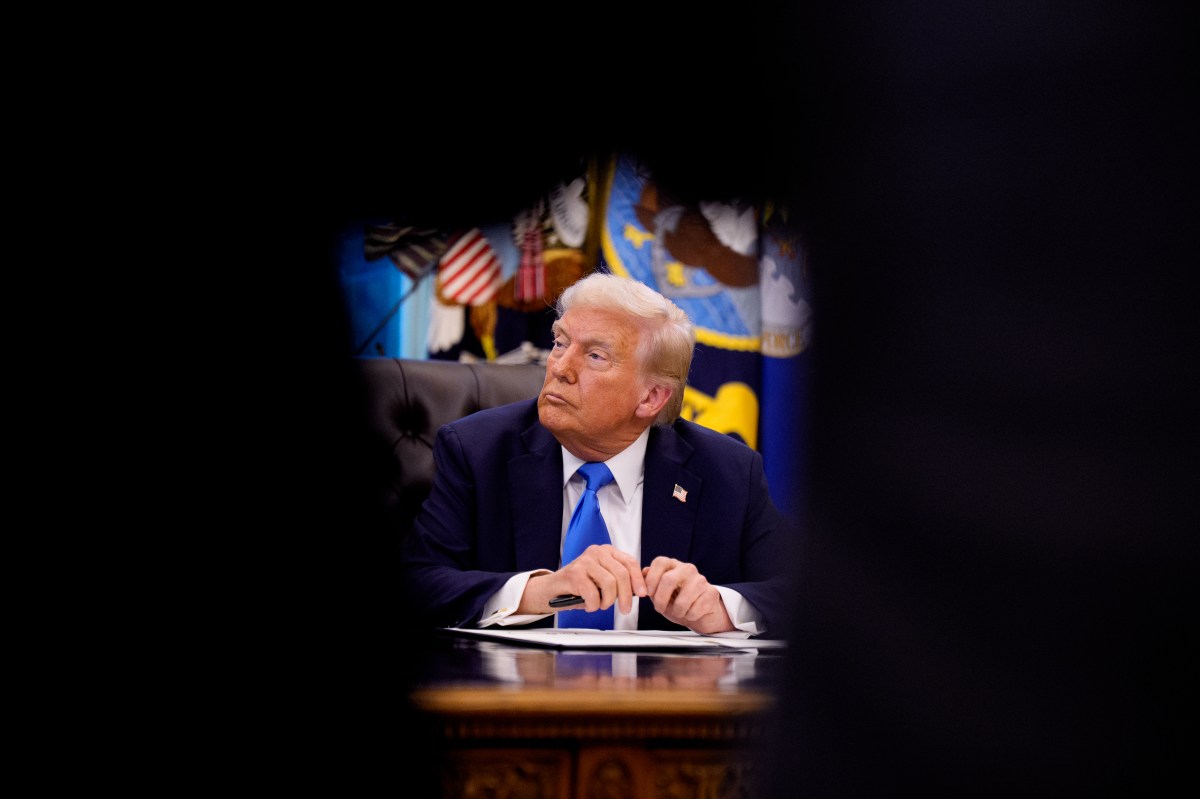
Critics argue the guidelines lack a sound basis beyond limiting legal immigration,echoing a broader pattern of restrictions under the Trump administration. These include increased visa fees, reduced refugee admissions, and attempts to ban immigrants from specific countries.This approach contrasts with President Trump’s campaign focus on illegal immigration. A recent Gallup survey revealed that 62 percent of Americans disapprove of the president’s handling of immigration, while 79 percent believe immigration benefits the country.
the new guidance empowers officials to deny visas to legal immigrants,effectively closing pathways to entry. Immigration attorney and analyst Raul A. reyes argues the policy sends a message that immigrants are viewed with suspicion, potentially as unhealthy or harmful to the U.S.
