US Supreme Court Rejects Lawsuit Over Forced Shaving of Rastafarian Inmate
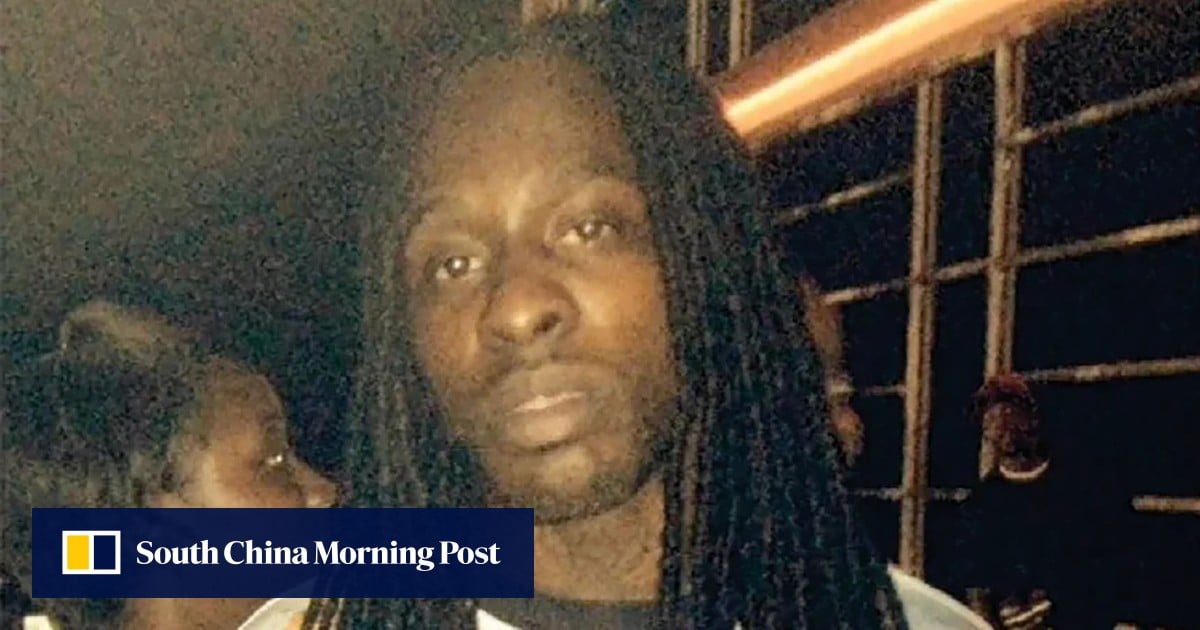
The US Supreme Court on June 24, 2026, blocked a Rastafarian inmate from suing Louisiana prison guards who forcibly shaved his dreadlocks, ruling 6-3 that the case could not proceed against individual officials under federal religious discrimination protections. Damon Landor, a Louisiana prisoner, had argued his rights under the Religious Land Use and Institutionalized Persons Act (RLUIPA) were violated when guards held him down and shaved his head in 2022. The decision upholds a lower court’s dismissal, setting a precedent that could limit lawsuits by incarcerated individuals against prison staff for religious rights violations.
Why the ruling matters: A legal blow to RLUIPA protections
The Supreme Court’s decision narrows the scope of RLUIPA, a 2000 law designed to shield incarcerated people from religious discrimination. Landor’s case hinged on whether prison guards could be held personally liable for violating his rights. The majority ruled that only prison systems—not individual employees—can be sued under RLUIPA, a shift that legal experts warn could embolden prison officials to disregard religious accommodations.
“This ruling sends a dangerous message: prison officials can now act with impunity when violating an inmate’s constitutional rights. RLUIPA was meant to be a shield, not a loophole.”
How the decision affects Louisiana’s prison system
Louisiana’s prison population—nearly 36,000 inmates as of 2025—includes a significant number of Rastafarians and other faith groups with strict grooming practices. The Louisiana Department of Corrections (LDOC) has faced repeated complaints about religious accommodations, including a 2024 audit by the U.S. Department of Justice that found systemic failures to honor religious beliefs. The Supreme Court’s ruling may reduce accountability for guards, but LDOC officials insist policies remain unchanged.
LDOC spokesperson Captain Richard Moreau told World Today News that “all religious practices are still accommodated within the constraints of prison security.” However, civil rights groups argue the decision undermines enforcement mechanisms. “Prisoners are already at a disadvantage—they can’t walk away from abuse,” said Naomi Carter, a civil rights attorney with the ACLU of Louisiana. “Now, they can’t even sue for it.”
The broader impact: RLUIPA’s future under conservative courts
Landor’s case is part of a pattern where the Supreme Court’s conservative majority has restricted civil rights protections for marginalized groups. In 2023, the Court limited Title VII religious discrimination cases, and in 2025, it narrowed Establishment Clause rulings. Legal scholars warn RLUIPA could be next.
| Case | Year | Supreme Court Ruling | Impact on Religious Rights |
|---|---|---|---|
| Landor v. Louisiana | 2026 | 6-3: Dismisses RLUIPA lawsuit against individual guards | Limits accountability for prison staff; may reduce religious accommodations |
| Bostock v. Clayton County | 2020 | 6-3: Expands Title VII protections for LGBTQ+ workers | Broadened anti-discrimination law but later narrowed in 2023 |
| Kennedy v. Bremerton School District | 2022 | 6-3: Protects public employees’ religious expressions | Expanded free exercise rights but left RLUIPA untouched |
What happens next: Legal avenues for inmates
With RLUIPA lawsuits against individual guards now off the table, incarcerated people may turn to other legal strategies. The Equal Employment Opportunity Commission could investigate systemic discrimination claims, while state-level civil rights laws—like Louisiana’s Louisiana Religious Freedom Restoration Act—remain potential pathways. However, these options are often slower and less effective than federal RLUIPA suits.
For inmates facing religious discrimination, navigating legal options is complex. Organizations like the [Religious Rights Law Firms] specialize in RLUIPA cases and can provide guidance. Meanwhile, prison reform advocates are pushing for legislative solutions, including stronger oversight of prison religious policies.
A warning for faith-based communities
The Supreme Court’s decision isn’t just about hair—it’s about power. Rastafarians, Sikhs, and other groups with sacred grooming practices now face heightened vulnerability in prisons. The ruling also raises questions about how far prison officials can go in enforcing rules under the guise of “security.” As Rev. Johnson put it: “This isn’t just about dreadlocks. It’s about who gets to decide what’s sacred—and who gets to ignore it.”
For those affected, the path forward isn’t just legal—it’s organizational. Faith-based advocacy groups are scaling up monitoring efforts, while [Prison Reform Nonprofits] are pushing for policy changes at state levels. The message is clear: if the courts won’t protect you, the community must.
In a system where justice is already uneven, today’s ruling makes it clearer than ever: the fight for religious freedom behind bars won’t be won in courtrooms alone.