US Strike Hits Wedding in Iran, Killing Several Amid Escalating Tensions
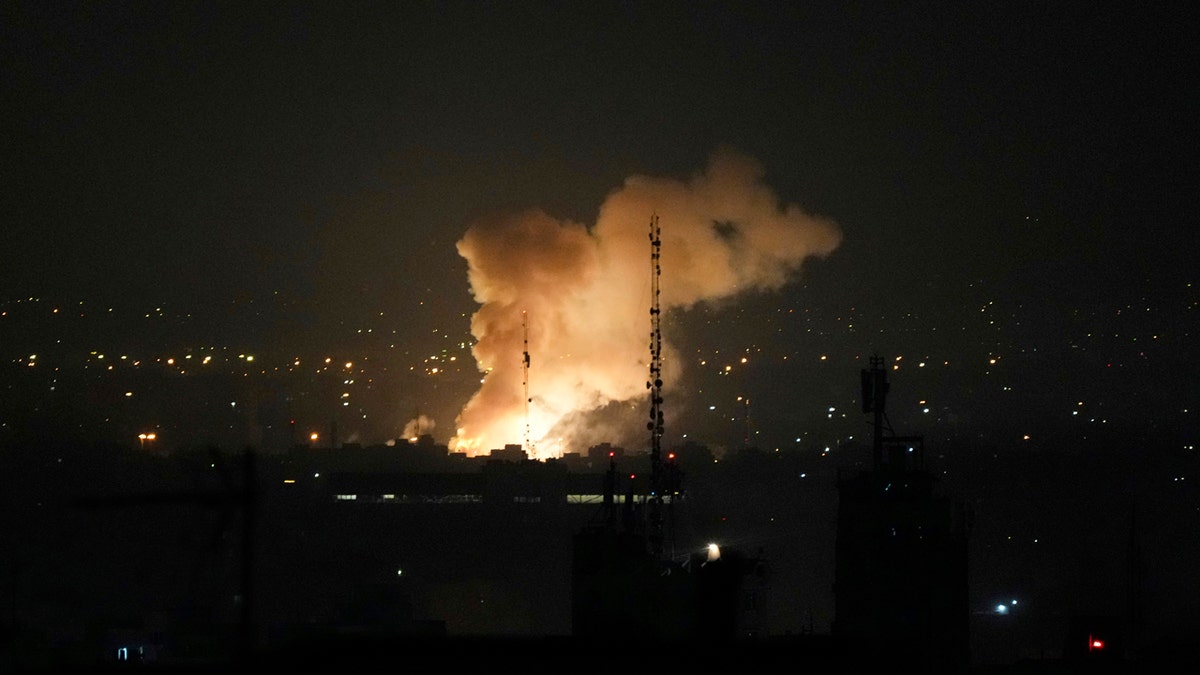
At least four people, including a young child, were killed and more than 50 others wounded on Tuesday, September 1, 2026, when a U.S. missile strike sent shrapnel into a residential home hosting a wedding celebration in Kuhestak, located in Sirik County along Iran’s Hormozgan province, according to the Iranian Red Crescent.
The strike occurred amid a sudden escalation of hostilities that abruptly ended a month-long lull in military action between Washington and Tehran. U.S. Central Command confirmed completing a fresh barrage against Iranian military targets, including air defense sites, radar systems, and maritime assets, following what military officials described as attempted attacks by Iran’s Revolutionary Guards against commercial shipping in the Strait of Hormuz and U.S. personnel in the region.
Casualty Figures and Local Government Response in Hormozgan Province
Reporting on the ground in southern Iran showed varying early casualty figures as emergency rescue teams deployed to the coastal area. Ahmad Nafisi, the deputy governor of Hormozgan Province, initially informed state television that two people had been killed before updated local tolls confirmed that five individuals ultimately lost their lives in the blast, with at least 68 others suffering injuries from flying shrapnel.
Iranian state media broadcast footage from the aftermath showing severe structural damage, widespread debris, and civilian chaos at the residential site. Local officials swiftly condemned the military action. Ebrahim Azizi, chairman of the Iranian parliament’s National Security and Foreign Policy Committee, posted a stark warning on social media asserting that the incident would not go unpunished, while Hormozgan’s deputy governor for security affairs publicly characterized the strike on the residential property as a war crime.
For municipal authorities, regional infrastructure providers, and private enterprises operating across the Middle East, the sudden intensification of hostilities underscores an immediate operational hazard.
Strategic Flashpoint: The Strait of Hormuz and Wider Regional Retaliation
Sirik County sits directly along the Strait of Hormuz, a globally vital maritime chokepoint through which roughly 20 percent of the world’s petroleum normally flows. The strategic waterway has transformed into the primary theater of conflict in the ongoing six-month intermittent war.

President Donald Trump defended the U.S. military action during media appearances, stating that American forces targeted Iranian radar installations because local forces were actively attempting to rebuild systems to track regional movements. Trump warned that Tehran would face a much harder and higher response if retaliatory measures were pursued. Central Command emphasized that military operations strictly targeted hostile assets rather than civilian populations, with Captain Tim Hawkins noting that civilian casualty reports originated primarily from state-run outlets.

In immediate response to the American operation, the Iranian military launched ballistic missiles and drones across the region. Jordan’s military reported shooting down ten incoming missiles, while three others landed in unpopulated areas near the Gulf of Aqaba. Meanwhile, the Iranian Armed Forces General Staff vowed to deliver crushing blows against U.S. interests, and paramilitary elements asserted that the campaign has tightened an effective closure of the Strait of Hormuz.
The convergence of active military engagements along vital trade routes leaves regional commercial networks facing prolonged uncertainty. As diplomatic channels remain stalled and regional commands exchange warnings of further escalation, the long-term economic fallout for international shipping and local infrastructure underscores the enduring cost of renewed hostilities.
>