US Rescues Two Pilots in Daring Operation After Jets Shot Down by Iran
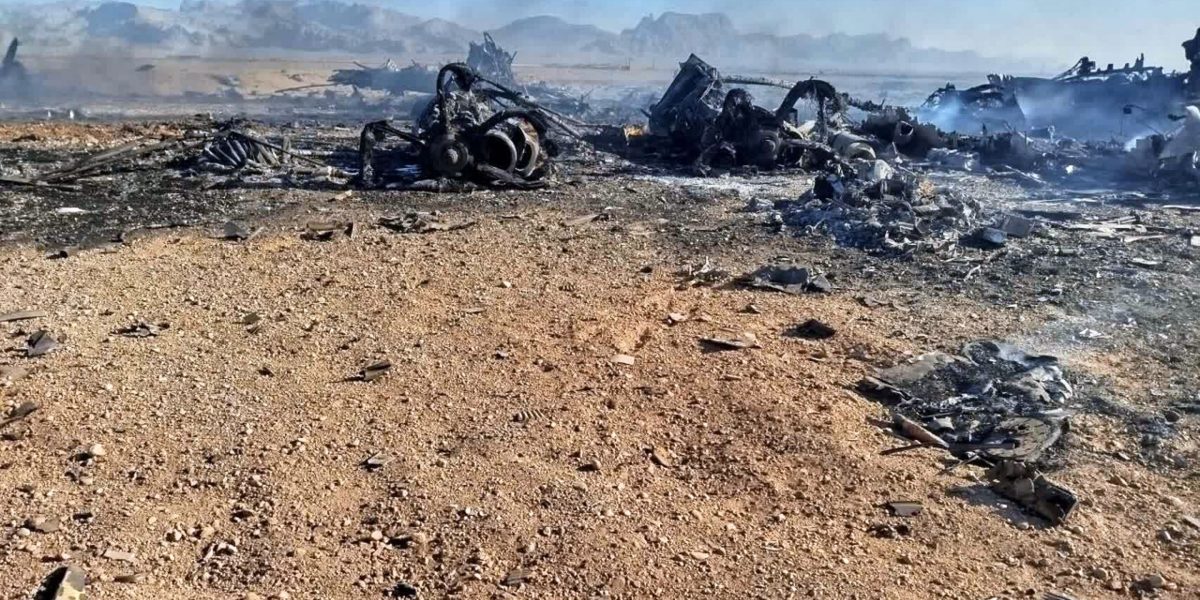
The U.S. Military and CIA successfully rescued two downed aviators from Iran in early April 2026, utilizing a high-stakes deception campaign to locate a wounded weapons systems officer hiding in a mountain crevice. The operation, involving multiple aircraft losses, underscores escalating geopolitical volatility in the Middle East’s airspace.
Even as the White House frames this as a victory of “Air Dominance,” the market sees a different story: a spike in regional risk premiums. When fighter jets are shot down and transport planes are scuttled, the immediate fiscal fallout isn’t just the cost of the airframes—it’s the destabilization of insurance underwriters and the sudden tightening of logistics corridors. For the C-suite, this isn’t a cinematic rescue. it’s a signal that the cost of operating in the Persian Gulf is about to climb. Companies with heavy exposure to the region are already auditing their risk mitigation strategies, often pivoting toward specialized geopolitical risk consultancies to hedge against systemic shocks.
The Cost of Kinetic Friction: Why This Matters for Q2 and Q3
The loss of an F-15E Strike Eagle and an A-10 Thunderbolt II, coupled with the destruction of two C-130s, represents a significant capital write-down. While these are government assets, the ripple effect hits the defense industrial base. We are seeing a shift in procurement priorities. The vulnerability of traditional transport aircraft in contested environments is forcing a pivot toward unmanned autonomous recovery systems.
- Sovereign Risk Escalation: The “hunting” of U.S. Personnel by Iranian state-sponsored militias increases the likelihood of retaliatory sanctions, which historically trigger volatility in crude oil futures and disrupt the 10-year Treasury yield curve as investors flee to safety.
- Defense Capex Pivot: Expect a surge in R&D spending for stealth-capable extraction tech. This isn’t just about “better planes”; it’s about reducing the human risk that leads to these high-cost, high-visibility rescue operations.
- Insurance Premium Spikes: Marine and aviation insurance for commercial carriers traversing the Strait of Hormuz will likely see a “war risk” surcharge increase, squeezing margins for global shipping conglomerates.
The volatility is palpable. Traders aren’t looking at the rescue; they are looking at the debris.
Defense Industrial Base and the Replacement Cycle
The destruction of C-130s and the loss of combat aircraft create an immediate vacuum in operational readiness. According to the latest Department of Defense budget justifications, the replacement cost for advanced strike platforms is skyrocketing due to supply chain bottlenecks in rare-earth magnets and aerospace-grade titanium. When a platform is lost in a “contested environment,” the replacement isn’t a simple procurement—it’s a strategic urgency that often bypasses standard competitive bidding, favoring established primes.
“The operational reality in the Middle East has shifted from deterrence to active attrition. We are no longer talking about ‘presence’; we are talking about ‘survivability.’ From an institutional investment perspective, the value is shifting from legacy platforms to the software-defined warfare and ISR (Intelligence, Surveillance and Reconnaissance) capabilities that prevent these crashes in the first place.” — Marcus Thorne, Managing Director of Global Defense Strategies at Aegis Capital Markets.
This attrition cycle creates a massive opportunity for aerospace engineering firms and tech integrators who can shorten the time-to-field for replacement assets. The “attrition-to-acquisition” pipeline is now the primary driver for defense sector EBITDA growth heading into the second half of 2026.
The CIA Deception Play as a Corporate Model
The CIA’s use of a deception campaign—spreading false reports of the airman’s location to flush out the actual coordinates—is a masterclass in information asymmetry. In the financial world, we call this “market signaling.” By controlling the narrative, the U.S. Forced the adversary to reveal their hand. This level of intelligence sophistication is what separates a successful recovery from a diplomatic catastrophe.
For global enterprises, the lesson is clear: information is the only real hedge against volatility. When operational environments become “dark,” the ability to synthesize fragmented data into actionable intelligence is the difference between a salvaged asset and a total loss. This represents why mid-cap firms are increasingly outsourcing their internal security audits to enterprise cybersecurity and intelligence providers to protect their physical and digital footprints in high-risk jurisdictions.
The sheer scale of the operation—dozens of aircraft deployed for a single wounded officer—highlights the disproportionate cost of “not leaving anyone behind.” In a corporate context, this is the equivalent of a “too big to fail” bailout. The cost of the rescue far exceeded the value of the asset, but the political and brand equity of the “success” is the real ROI.
Forward Outlook: The Volatility Horizon
Looking toward the next fiscal quarter, the market will monitor whether Tehran views the rescue as a sign of U.S. Strength or an invitation for further escalation. If the latter, One can expect a tightening of liquidity in regional markets. Per the International Monetary Fund’s recent regional outlook, geopolitical instability in the Gulf remains the primary “black swan” risk for global energy price stability.
The “Air Dominance” narrative pushed by the administration is a confidence play, designed to keep markets calm. But the reality of two shot-down jets and scuttled transports suggests a narrowing gap in capabilities. The “overwhelming superiority” is becoming more expensive to maintain.
As the geopolitical landscape shifts from predictable patterns to erratic kinetic events, the necessitate for vetted, reliable B2B partnerships becomes paramount. Whether you are navigating the legal complexities of international sanctions or seeking the most robust logistics infrastructure to bypass conflict zones, the World Today News Directory remains the definitive source for connecting with the firms that turn global chaos into calculated corporate strategy.