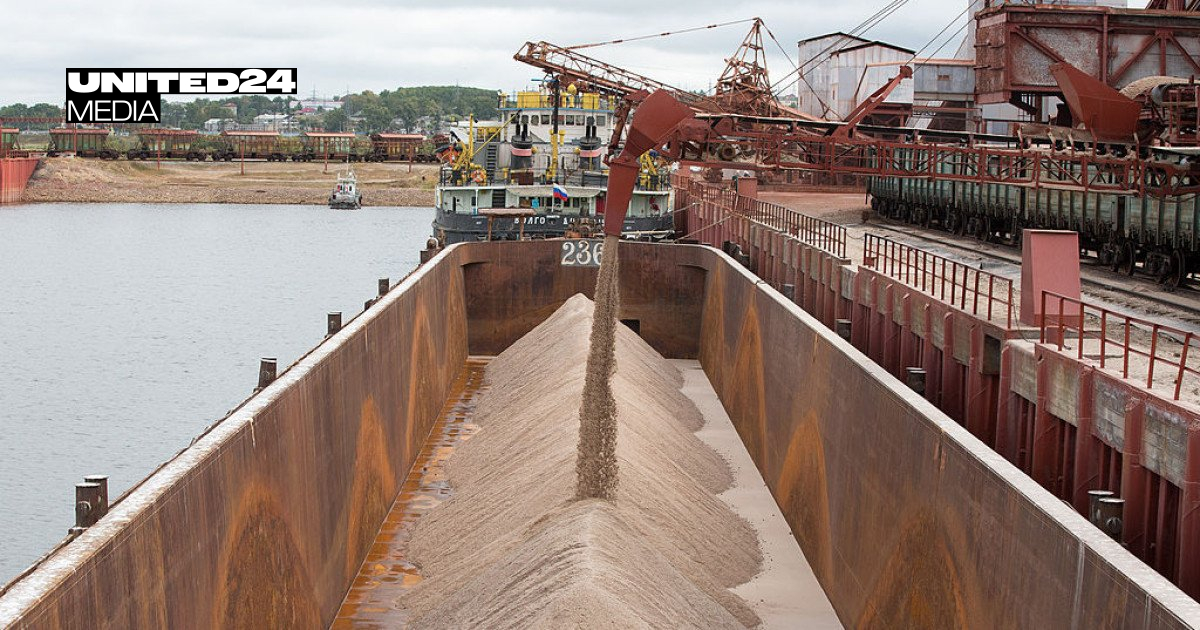
US Pressures Lithuania to Open Port for Potash, Politico Reports
The Trump administration is pressing Lithuania to open the port of Klaipėda to Belarusian potash fertilizer exports despite European Union sanctions, as Washington seeks cheaper agricultural supplies for American farmers, Politico reported on October 29. Citing four European officials, Politico noted that US special envoy for Belarus John Coale recently reached out to Lithuanian diplomats to discuss lifting barriers on Belarusian products.
Washington Pursues Cheaper Fertilizer After Trade Talks Collapse
The United States currently imports nearly all of the potash it uses, with Canada supplying approximately 80 percent of those imports. The administration’s interest in Belarusian potash—which accounts for roughly 20 percent of the global market—intensified following the collapse of US-Canadian trade negotiations in August and subsequent tariff increases, according to Politico.
Last month, President Donald Trump remarked that his administration was pursuing a major agreement with Minsk to acquire Belarusian potash at rates lower than what American agricultural producers currently pay Canadian providers.
That plan is contingent on securing access to the Baltic Sea port of Klaipėda or other regional ports. Before sanctions were imposed, about 90 percent of Belarusian potash exports moved through Klaipėda.

European Officials Reject Easing Sanctions on Minsk
European officials have firmly resisted the US push to alter the sanctions regime. An Eastern European official characterized the American outreach as courteous while firmly dismissing any notion of relaxing pressure on Minsk, stating: They are pressing politely, but we say very clearly ‘fuck no.’ If Americans are not able to learn from history then we have to stand the ground.
Two Eastern Eastern European officials stated that Coale has been lobbying Lithuanian authorities at various levels for more than a year. A European official confirmed that Coale also approached Latvian counterparts about using Baltic ports such as Riga. Lithuania’s Foreign Minister Kęstutis Budrys has pointed out that EU sanctions prohibit not only imports of Belarusian potash but also its transit through EU territory, regardless of ownership or registration. Lithuanian President’s national security adviser Deividas Matulionis warned that violating the sanctions would carry legal, financial, and moral consequences.
Lithuania Could Veto EU Sanctions Extension in 2027
The European Union enacted restrictive measures after determining that Alexander Lukashenko lacked democratic legitimacy in the 2020 presidential vote and following his administration’s brutal crackdown on peaceful demonstrations. Those measures were tightened after Belarus assisted Russia following the full-scale invasion of Ukraine in February 2022. The sanctions bar EU ports from handling Belarusian goods and must be renewed every 12 months. Lithuania will assume the rotating EU presidency at the start of 2027, raising the possibility that Vilnius could theoretically veto the next extension, due in February.
Washington began easing some of its own sanctions on Belarus in March, including restrictions on the state-run Belarusian Potash Company, linking the move to lower fertilizer costs and Minsk’s release of 250 political prisoners following negotiations led by Coale. European officials remain concerned that easing restrictions would strengthen Lukashenko’s international standing and provide his government with more room to continue repressing political opponents, Politico reported.

Wider Security Concerns and Regional Escalation
The US push to reopen potash exports unfolds as Ukraine warns that Minsk could become more deeply involved in Russia’s war. Ukrainian leader Volodymyr Zelenskyy reported that Moscow was weighing the placement of additional ballistic missile infrastructure inside Belarus, a move that could broaden Russia’s strike range against western regions of Ukraine. A State Department official declined to discuss specific transactions with Politico, but stated that Washington regularly explores commercial opportunities with allies and partners to advance commercial interests and achieve humanitarian goals. The State Department did not respond to requests for comment from Politico.