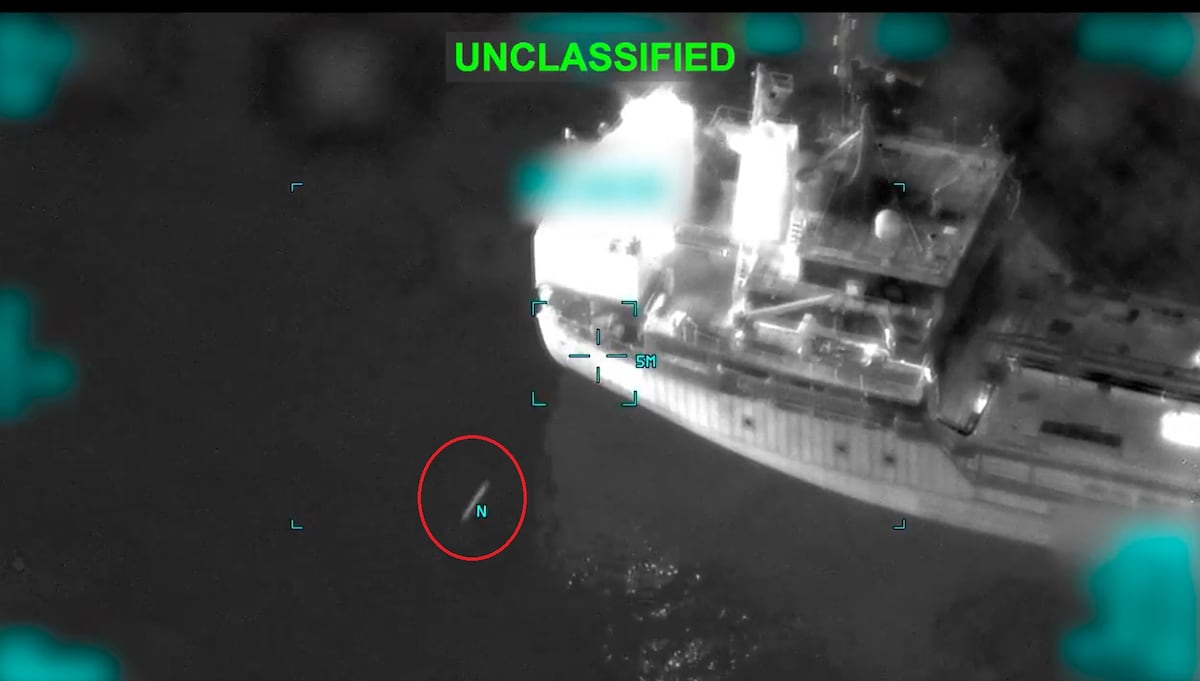
US Missile Strike on Settebello Cargo Ship in Strait of Hormuz Leaves Three Dead
Three crew members died Tuesday after a U.S. military aircraft fired on the oil tanker Settebello in the Strait of Hormuz. The incident occurred as the vessel bypassed a U.S. naval blockade enforced since April 13. Centcom officials confirmed the strike followed repeated failures to adhere to maritime directives.
The Escalation of Maritime Enforcement
The incident at 11:14 p.m. local time marks a significant intensification of the U.S. naval posture in the Gulf of Oman. According to the U.S. Central Command (Centcom), the Settebello was targeted after disregarding multiple warnings to alter its course. The vessel, which carries petroleum products, had 28 crew members on board at the time of the strike, the majority of whom were Indian nationals.
The Indian government confirmed on Thursday that three sailors perished during the engagement. The blockade, which Washington maintains is a necessary measure to curb Iranian influence, has transformed one of the world’s most vital energy corridors into a zone of high-stakes military friction.
Geopolitical Precedents and the Strait of Hormuz
The Strait of Hormuz remains the world’s most critical “chokepoint” for oil transit. Data from the U.S. Energy Information Administration indicates that nearly 20% of global petroleum consumption passes through these waters. The current blockade, initiated on April 13, 2026, represents a departure from traditional freedom-of-navigation operations, signaling a more aggressive enforcement strategy by Western forces.

Legal analysts suggest this incident creates a complex liability environment for commercial operators. When international waters become contested zones of military blockade, the standard protections afforded to merchant vessels under the United Nations Convention on the Law of the Sea become difficult to enforce.
“The threshold for the use of lethal force against a commercial vessel is exceptionally high under international law. When military commands prioritize blockade enforcement over the safety of civilian merchant crews, we are witnessing a fundamental shift in how the Strait is managed,” says Dr. Aris Thorne, a senior fellow at the Maritime Security Institute.
Operational Risks for Commercial Shipping
For logistics companies and oil distributors, the risk of “collateral damage” in the Strait of Hormuz has moved from a theoretical concern to a daily operational reality. The death of the Indian crew members highlights the vulnerability of merchant mariners caught in the crossfire of state-level disputes.
Companies operating in this sector are currently forced to re-evaluate their insurance premiums and crew safety protocols. Navigating these risks requires professional oversight to ensure compliance with shifting naval mandates while maintaining the safety of personnel. Organizations often seek guidance from Maritime Risk Management Consultancies to interpret real-time military directives and adjust voyage paths accordingly.
Legal and Humanitarian Implications
The loss of life has prompted immediate diplomatic inquiries from New Delhi. The Indian government is currently working through official channels to repatriate the remains of the deceased and provide support to the surviving crew. This process involves navigating complex jurisdictional issues between the U.S. military, flag-state authorities, and the corporate owners of the Settebello.

In the event of such incidents, the burden on the shipping company to manage legal fallout is immense. Businesses frequently retain International Maritime Law Firms to handle the resulting liability claims and to represent their interests in potential military inquiries. These firms provide the essential expertise required to address wrongful death claims and vessel seizure disputes that arise from blockades.
Looking Ahead: The Cost of Contested Waters
The strike on the Settebello is not an isolated event but a symptom of the current regional instability. As the U.S. maintains its blockade, the likelihood of further confrontations remains high. For the global supply chain, this means the cost of transporting energy through the Middle East will likely continue to rise, driven by both insurance surcharges and the necessity of hiring specialized security contractors.
The tragic loss of life serves as a stark reminder that the “cat-and-mouse” game being played in the Strait of Hormuz has lethal consequences for those on the front lines of global trade. As diplomatic tensions simmer, the role of independent, verified maritime advisory services becomes the last line of defense for commercial operators. For those managing vessels in these volatile regions, securing expert counsel and robust, vetted safety infrastructure is no longer optional—it is a requirement for survival.
For organizations seeking to mitigate these risks, connecting with Global Security and Logistics Providers remains the most effective way to ensure that vessels and crews are prepared for the realities of modern maritime blockades.