US Midterm Elections 2026: Trump’s Test and the Battle for Congress
As the United States approaches the November 3, 2026 midterm elections, the Republican Party faces a potential loss of its congressional majority, which would sharply curtail President Donald Trump’s legislative authority for the remainder of his term, aawsat.com reported. All 435 seats in the House of Representatives and roughly one-third of the Senate are on the ballot. Current polling and campaign resource shifts indicate a tightening race, with Democrats needing only modest gains to seize control of both chambers.
The Financial Scale and Campaign Activity of the 2026 Midterms
Financial disclosures from the Federal Election Commission published on October 1, 2026, detail the immense capital driving the cycle. Candidates for the House and Senate raised significant funds and spent heavily between January 2025 and June 2026.
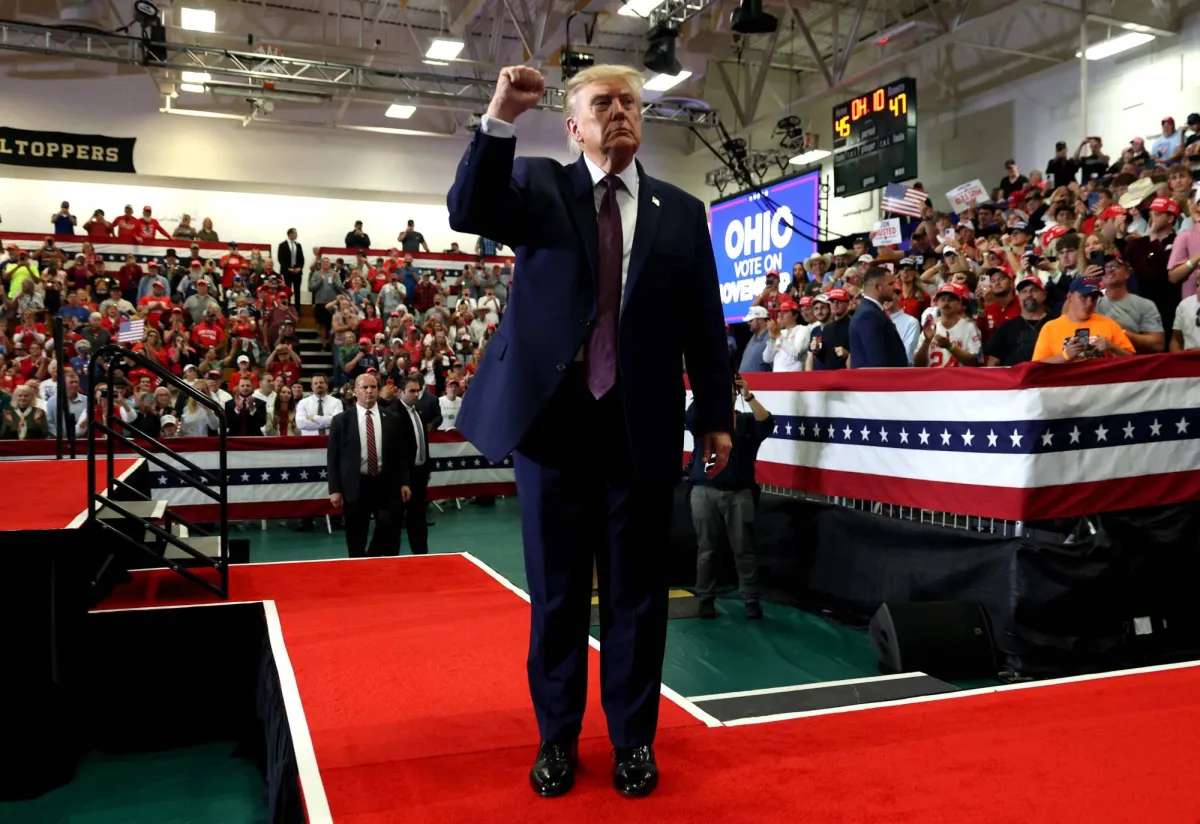
Amid this spending, President Trump has maintained an aggressive travel schedule. During a rally in South Carolina five days before the vote, Trump stated that he was working harder in this cycle than any previous president—including himself during his first presidential term—noting that his voice had grown raspy from weeks of constant campaigning, CNN Arabic reported. He also dismissed recent media polls showing low approval ratings as entirely fake.
Congressional Margins and the Democratic Path to Control
Republicans currently hold a narrow majority in both chambers of Congress.
Independent polling underscores the shifting landscape. A Reuters/Ipsos poll showed Trump’s approval rating dropping to 31 percent, while a New York Times/Siena poll indicated a Democratic lead of 11 points among likely voters, alriyadh.com reported. In response to these shifts, Republican campaign groups have redirected resources toward historically safe conservative states such as Kansas, Texas, Iowa, Ohio, and Alaska.
Judicial Rulings and Voting Rules Shaping the Vote
Legal battles over redistricting and voting regulations have heavily influenced the electoral map. The U.S. Supreme Court’s April 29, 2026 ruling in the Louisiana v. Callai case reopened key debates surrounding the interpretation of the Voting Rights Act, shifting several disputes directly from state legislatures into the judicial system, al-jazirah.com reported. These rulings dictate mail-in voting procedures and district boundaries, directly affecting party strategies in closely contested districts.

Inflation and Fuel Prices Shape US Election Backdrop
Voters head to the polls against a backdrop of persistent inflation, high tariffs, and soaring fuel prices driven by the U.S. conflict with Iran that began in February, alriyadh.com reported. For international partners, particularly Saudi Arabia, the election results carry implications for energy market stability and bilateral strategic coordination, though foreign policy ultimately rests on enduring institutional interests rather than a single legislative outcome, al-jazirah.com noted.
Polls are scheduled to close across the United States beginning on the evening of Tuesday, November 3, 2026, with initial results expected through the early hours of Wednesday.