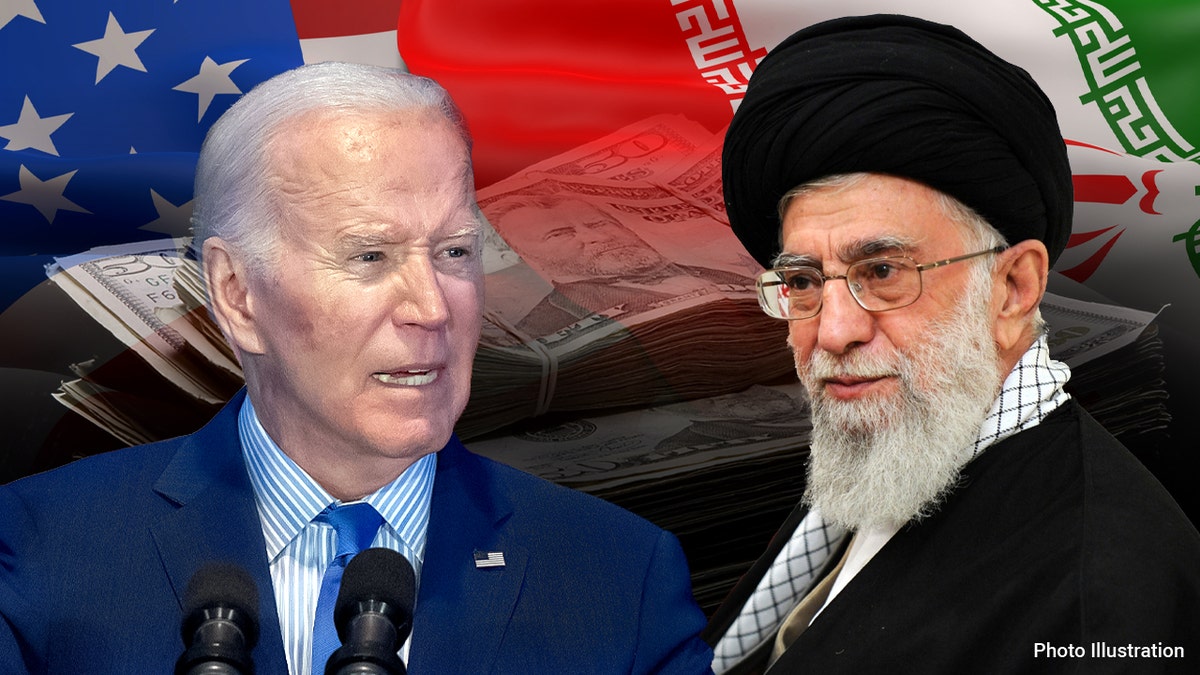
US Launches ‘Economic D-Day’ With Massive New Sanctions on Iran
The United States government has launched an expanded sanctions campaign targeting Iran’s global financial networks, threatening secondary penalties for any international entity that continues to conduct business with Tehran. Treasury Secretary Scott Bessent described the move as an “economic D-Day” intended to sever all revenue streams sustaining the Iranian regime.
The Scope of the Economic Onslaught
The U.S. Treasury Department has officially designated five sectors—digital assets, technology, gold, aviation, and shipping—as primary targets for enforcement. According to the Treasury, these sectors are critical to the Iranian government’s ability to bypass existing restrictions. The administration has imposed immediate sanctions on nearly 60 entities, individuals, and vessels.
The objective is to isolate Iran from the dollar-based financial system. By mapping illicit financial channels and smuggling networks used for oil exports, the U.S. government is positioning itself to penalize not only Iranian firms but also third-party organizations that facilitate these transactions.
Geopolitical Strains and the Strait of Hormuz
The sanctions arrive at a critical juncture, as the conflict between the U.S. and Iran nears its six-month mark. Diplomatic efforts to de-escalate the situation have largely stalled, and the blockage of raw material shipping through the Strait of Hormuz continues to exert upward pressure on global energy prices.
Iranian officials have responded with warnings of a potential military escalation. Mohsen Rezaei, secretary of Iran’s Supreme National Security Council, stated on August 23 that further economic penalties would trigger a “tighter squeeze” on shipping through the Strait of Hormuz. While Pakistan officially stated the visit aimed to “promote regional peace and stability,” the meeting highlights the complex web of regional actors caught between U.S. financial pressure and Iranian proximity.
Compliance Risks for Global Entities
The U.S. strategy explicitly targets the “illicit revenue” Iran derives from oil sales, with a particular focus on the networks that facilitate trade with China, currently the largest buyer of Iranian oil. While the U.S. has refrained from designating major Chinese banks, the ultimatum issued by the Treasury Department creates a precarious environment for any entity maintaining trade ties with Tehran.
The volatility of the Iranian currency, which has fallen to a record low against the U.S. dollar, reflects the intensity of this financial offensive. For businesses with legacy contracts or complex cross-border logistics involving Middle Eastern markets, the risk of “secondary sanctions” is no longer theoretical.
The Legal and Financial Battlefield
The U.S. Treasury’s approach relies on the “mapping” of facilitators—the intermediaries, shipping agents, and logistics providers that sustain Iran’s economy. By threatening to cut these facilitators off from the U.S. dollar, the administration aims to force a choice upon global companies: trade with Iran or maintain access to the American financial market.

The administrative burden of these sanctions is significant. As the U.S. expands its definitions of “designated entities,” the onus remains on the private sector to verify the ultimate beneficial ownership of their partners.
This “economic D-Day” represents a shift from previous, more surgical sanctions to a broader, systemic blockade. As the six-month mark of the war passes, the global economy remains tethered to the outcome of this financial standoff.
The volatility in the energy sector and the tightening of financial protocols suggest that the impact of these sanctions will be felt far beyond the Middle East. For businesses and civic organizations tasked with navigating this uncertainty, the priority is clear: absolute transparency and total compliance are the only safeguards against the reach of the U.S. Treasury.