US Dollar Hits One-Month Low After Democrats Win Congress
US Dollar Slides to One-Month Low After Democratic Midterm Sweeps
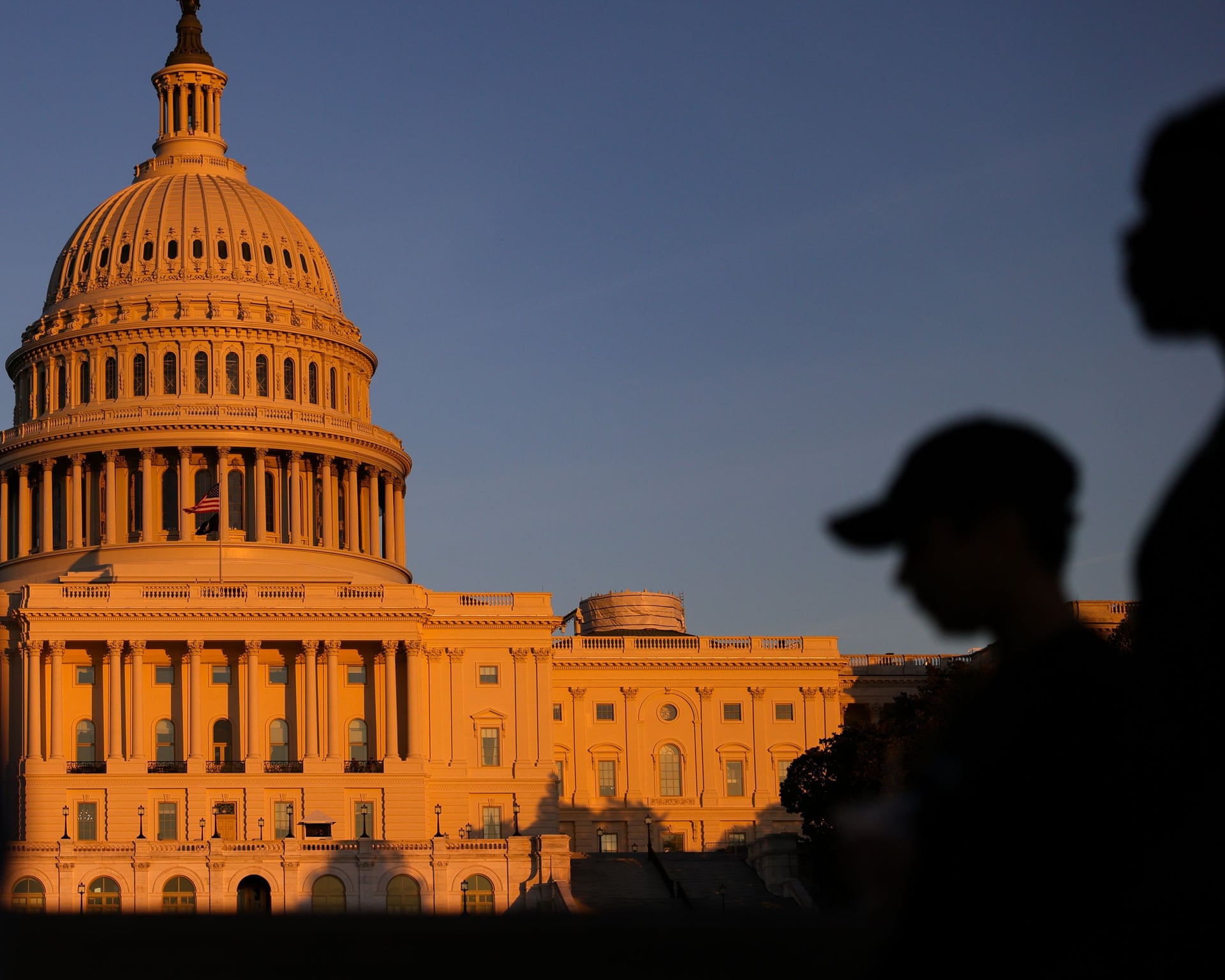
The US dollar slid sharply to a one-month low on Wednesday after Democrats won control of both the Senate and the House of Representatives in the midterm elections. Voters across the country rejected Donald Trump and the Republican agenda, electing Democrats in traditional Republican strongholds including Texas, Iowa, North Carolina, and South Carolina. The greenback fell against a basket of six major currencies as investors reacted to potential political gridlock during the remainder of Donald Trump’s final term.
Axel Rudolph, chief technical analyst at the trading platform IG, stated that the scale of the losses raises immediate questions about Trump’s ability to push through his policy agenda over the next two years. Bond yields dropped significantly as investors moved capital into US treasuries to find shelter from expected legislative friction. The yield on the benchmark 10-year US treasury bond fell 4.7 basis points to 4.918 percent. Two-year bond yields dropped 3.7 basis points to 4.597 percent. Safe-haven assets rallied alongside government debt.
Artificial Intelligence Regulation Concerns Weigh on Tech Sector
Market participants rushed to reevaluate technology equities on expectations that a Democratic Congress would pursue heavier regulation of artificial intelligence. Chris Turner, global head of markets at ING, noted that investors were actively parsing the policy implications of key electoral outcomes. In Texas, Gina Hinojosa won the gubernatorial race on a platform that included an immediate moratorium on data center buildouts. Jesper Koll, an expert director at the financial services firm Monex Group, observed that artificial intelligence momentum had already turned adverse for equity markets heading into the vote.
Major technology holdings faced immediate selling pressure. SpaceX shares fell 5 percent in premarket trading, while Tesla dropped more than 4 percent. Elon Musk had injected $446 million into the midterms to support Republican political action committees. Kathleen Brooks, research director UK at XTB, explained that investors anticipated heightened congressional scrutiny for artificial intelligence firms, which also cast doubt on the potential merger of Musk’s corporate entities. Asian trading hours saw widespread losses among AI-related shares.

European Markets Climb as Washington Adopts Conciliatory Tone
European markets charted a different course during early trading hours, lifted by a conciliatory tone from Washington and rising regional indices. London’s FTSE 100 climbed 0.2 percent, Germany’s Dax rose nearly 0.6 percent, France’s Cac 40 gained 0.4 percent, and Italy’s FTSE MiB jumped almost 1.4 percent. Bank stocks advanced 2.8 percent. Clean energy equities also rebounded from previous policy pressures, with Denmark’s Vestas Wind Systems climbing nearly 5 percent and Ørsted surging 7.4 percent.
The British pound and the euro both advanced against the falling US dollar. Currencies traditionally favored during geopolitical and economic uncertainty, including the Japanese yen and the Swiss franc, also strengthened. Meanwhile, gold prices climbed 2.2 percent to surge past $4,000 an ounce. Tai Hui, a market strategist at JP Morgan Asset Management, emphasized that significant levers remain under executive authority. Hui pointed out that Donald Trump retains substantial capacity to shape markets through trade tariffs, foreign policy decisions, and existing regulatory frameworks.