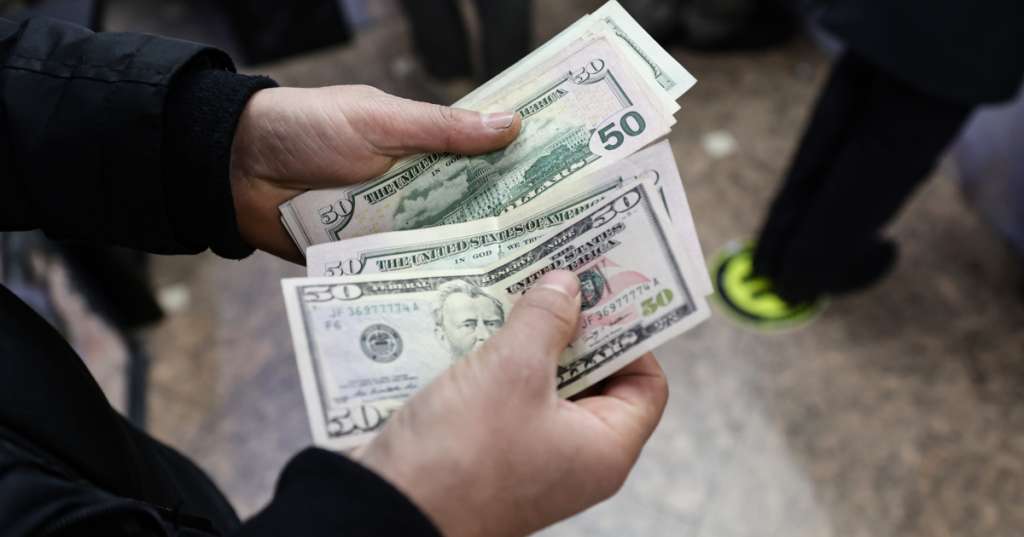
US dollar closes down in Colombia on October 2 according to reports
The US dollar closed down in Colombia on October 2, settling at $3,262 according to Revista Semana, while LaRepublica.co placed it at $3,272.97. This movement follows the central bank’s surprise interest rate hike and a weaker-than-expected US employment report.
Currency Closes Lower Amid Regional Market Volatility
The American currency finished $45 below the Tasa Representativa del Mercado (TRM) of $3,307, as reported by Revista Semana. Trading sessions displayed wide intraday swings. Revista Semana noted that the currency reached a daily maximum of $3,310 and touched a low of $3,256, with average negotiations sitting near $3,272. Total transaction volumes reached approximately 1,366 million dollars during the session. Meanwhile, LaRepublica.co highlighted that the DXY index, which tracks the dollar against a basket of six major currencies, advanced 1.6% to 102.21, marking its highest level since April 9, 2025.
The Superintendencia Financiera established the official Tasa Representativa del Mercado (TRM) at $3,307. Portafolio.co pointed out that the exchange rate had already begun retreating ahead of the official numbers, dropping 1.10 percent between September 29 and October 1.
Interest Rate Adjustments and US Labor Data Drive the Peso
The recent exchange rate movements arrive in the wake of monetary policy shifts in both Colombia and the United States. On September 30, the Junta Directiva del Banco de la República raised its benchmark interest rate by 25 basis points from 12% to 12.25%, a move supported by four board members despite nearly three out of four surveyed analysts anticipating a pause.

External data compounded the local monetary pressures. FXStreet noted that the US Department of Labor released employment figures showing nonfarm payrolls increased by just 29,000 jobs in September, falling significantly short of market forecasts near 90,000. Revista Semana added that the US unemployment rate ticked up from 4.1% to 4.2% during the same period. FXStreet reported that these softer figures, alongside a PCE inflation reading that came in below expectations, caused the dollar to cede ground against the Colombian peso, pushing the local currency to a minimum not seen since September 23 in the 3.265 to 3.277 range.
Oil Prices Retreat on European Supply Discussions
Commodity markets also exerted direct pressure on currency valuations during the closing session of the week. LaRepublica.co reported that Brent crude oil prices dropped more than 2%, retreating 2.51% to settle at $99.74 per barrel. This downward correction followed discussions among European Union nations regarding a French proposal to release 50 million barrels of gasóleo, alongside potential releases of another 50 million barrels of crude by members of the International Energy Agency to alleviate potential supply shortages. Concurrently, Chinese refiners suspended petroleum product exports for October to preserve domestic reserves, keeping global energy markets sensitive to shifting inventory metrics.

Currency Rates Fluctuate as Hiring Remains Scarce
At the Bolsa de Valores de Colombia, the trading session opened with the dollar at $3.286, while transaction averages reached 864,7 million dollars.
Internationally, the euro was traded at US$1,1230, sitting near levels not seen in 17 months, and the pound sterling stood at US$1,3203. In the labor market, Heather Long, an economist at Navy Federal Credit Union, noted that the world’s leading economy remains characterized by few hires, few layoffs
and added that the hiring level is better in 2026 than in 2025
while pointing out that new additions remain scarce outside of healthcare and data center operations. Wage increases averaged 3% year-over-year in September for workers in the United States.
Domestically, the Banco de la República cited an annual inflation rate of 6.2% for August, while economic analysts surveyed in September project inflation to reach 6.8% by December 2026, with the two-year horizon expectation decreasing to 4%. Food inflation stood at 6.1%, regulated items reached 6.8%, services inflation climbed to 7.2% annually, and core inflation without food or regulated items rose to 6.1%.