
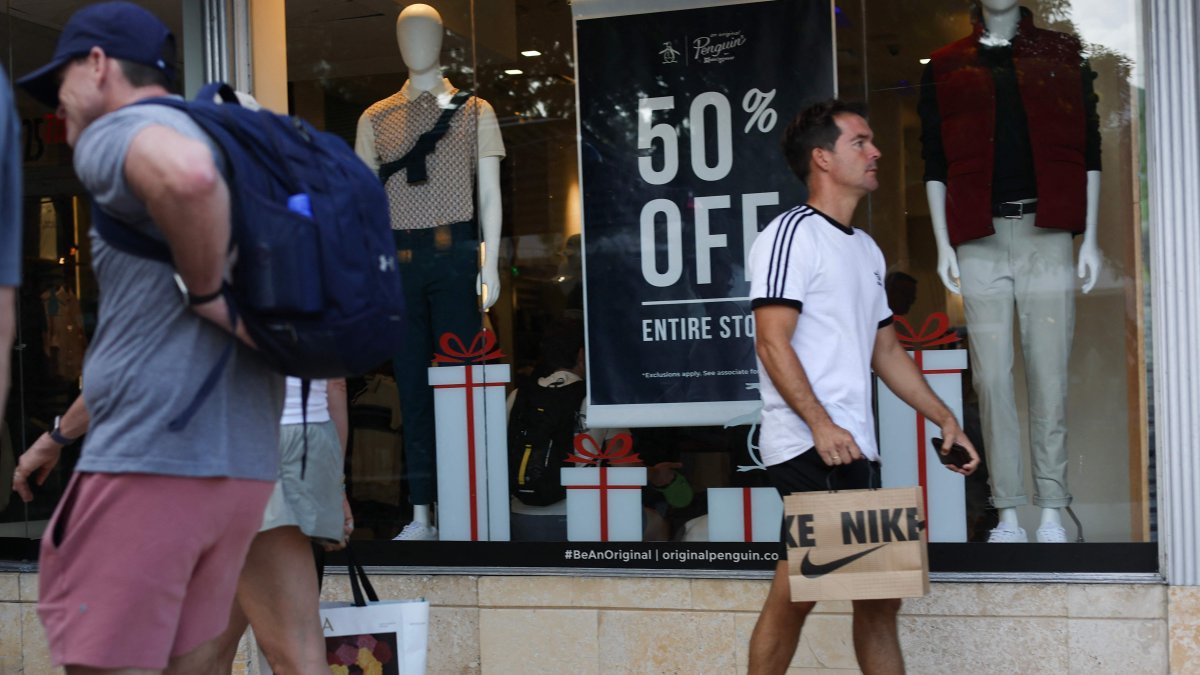
U.S. Inflation Rises to 2.7% in December
U.S. inflation increased by 2.7% year-over-year in December, according to government data released Tuesday.This follows a period where inflation was artificially lowered in November due to a federal shutdown.
Monthly CPI Increase
The Consumer Price Index (CPI) rose 0.3% in December compared to the previous month, the Bureau of Labor Statistics (BLS) reported.
Shutdown Impact on Inflation Data
The recent figures are being closely watched, particularly considering the impact of the 43-day federal shutdown. The shutdown prevented the BLS from collecting price data in October, forcing them to use a carry-forward method – essentially assuming prices remained unchanged – to compile november’s report. While November’s data was ultimately collected, it was gathered late in the month, during the height of holiday season discounts.
The carry-forward imputation method treated October prices as unchanged.
Tariffs and Cost of Living
President Trump’s tariffs on imported goods have contributed to rising prices, creating financial strain for many households. Although inflation hasn’t surged dramatically,it has steadily increased throughout the year as new waves of tariffs have been implemented,affecting trade wiht numerous partners.
Though, the administration has recently taken steps to expand exemptions for key agricultural products and other essential items, responding to growing concerns about the cost of living. Businesses have largely absorbed some of the increased costs by adjusting inventory levels ahead of tariff hikes and avoiding passing the full burden onto consumers.
Political Implications
Rising inflation has negatively impacted President trump’s approval ratings and is expected to be a key issue in the upcoming battle for control of Congress.
Core Inflation Rate
Excluding volatile food and energy prices, the core CPI rose 0.2% in December. The core CPI, which excludes those volatile components, increased by 2.6% year-over-year, matching November’s rate. The BLS estimated the core CPI climbed 0.2% from September to November.
Federal reserve Response
The Federal Reserve (Fed) primarily focuses on the Personal Consumption Expenditures Price indexes when tracking its 2% inflation target.
The increase in consumer inflation followed recent news of a declining unemployment rate, despite modest job growth. most economists anticipate the Fed will maintain its benchmark interest rate in the 3.50%-3.75% range at its January 27-28 meeting.
Tension Between Trump and Powell
A strained relationship between Fed Chair Jerome Powell and president Trump has led most analysts to beleive a rate cut is unlikely before the end of Powell’s term in May. the Trump administration has even launched a criminal inquiry into Powell,which the Fed chair has characterized as an attempt to influence monetary policy.
Key Takeaways
- U.S. inflation rose to 2.7% in December, matching November’s increase.
- The recent figures were influenced by a government shutdown that impacted data collection.
- Trump’s tariffs have contributed to rising prices, but recent exemptions aim to ease the burden on consumers.
- Inflation is a growing political concern for the Trump administration.
- The Federal Reserve is expected to hold interest rates steady in the near term.
