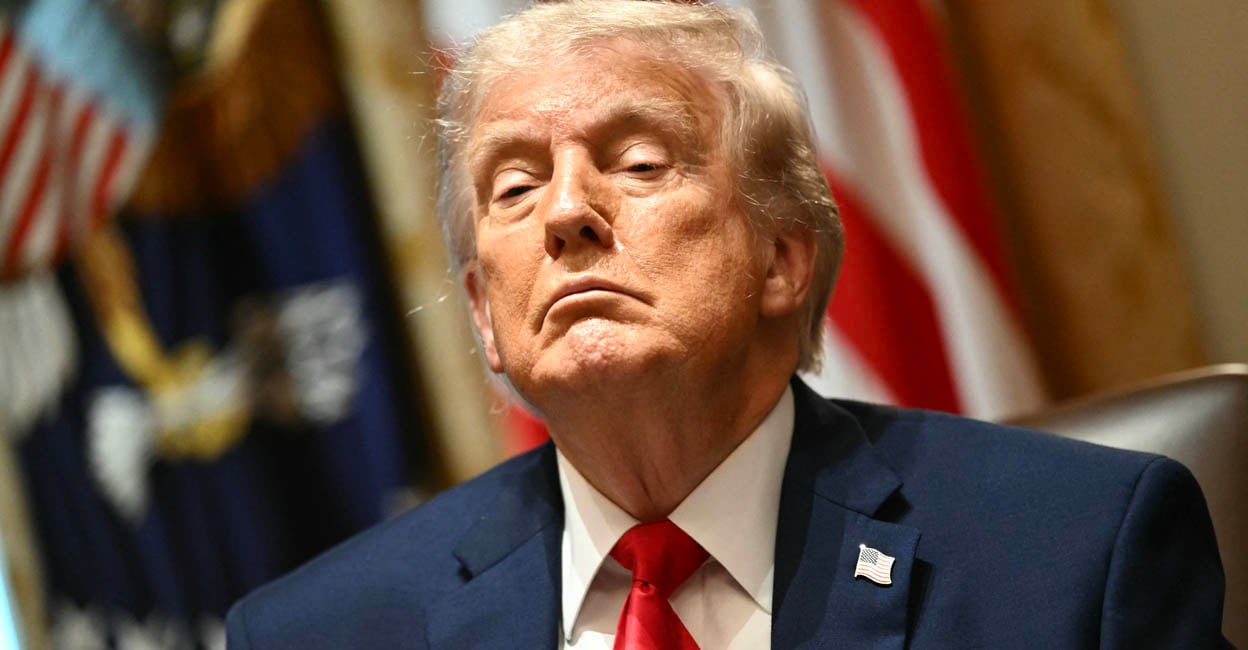
US Congress Limits Trump’s War Powers: Iran Conflict Escalation Blocked by House Resolution
As of June 4, 2026, tensions in the Strait of Hormuz have reached a critical inflection point. Following Iranian claims of a kinetic engagement involving a US naval vessel—a report categorically denied by the Pentagon—the geopolitical theater remains volatile. This friction coincides with domestic legislative efforts in Washington to curtail presidential war powers, creating a complex, multi-front challenge for global maritime stability and international energy security.
The Strait of Hormuz is not merely a geographic chokepoint; it is the jugular vein of the global economy. Approximately 20% of the world’s total petroleum consumption passes through this narrow passage, according to the U.S. Energy Information Administration. When Tehran and Washington trade barbs, the immediate result is not just diplomatic theater—it is a direct, quantifiable shock to global supply chain insurance premiums and energy futures.
The legislative push by the US House of Representatives to restrain unilateral executive military action against Iran represents a profound shift in the American constitutional landscape. It signals a Congress wary of entanglement in a conflict that could trigger a regional war, yet it simultaneously creates a vacuum of strategic ambiguity. For the international business community, this creates a “wait-and-see” environment that is toxic for long-term capital expenditure.
The Macro-Economic Ripple Effect
When geopolitical noise hits the Strait, the immediate reaction in the commodities market is volatility. However, the long-term impact on multinational corporations is more insidious. Firms operating in the Middle East are currently facing a dual-pressure environment: the physical security of their assets and the legal ambiguity of their trade contracts.

The primary risk isn’t just a kinetic skirmish; it is the weaponization of maritime insurance. When the ‘war risk’ premium spikes, the cost of moving goods through the Gulf can erase the thin margins of regional trade, forcing a total, and often costly, restructuring of logistics networks.
For firms caught in this crossfire, the standard operating procedure of the last decade is no longer sufficient. Companies are now reaching out to specialized maritime risk consultants to conduct stress tests on their supply chains, ensuring they have contingency plans for a sudden closure of the Strait.
The following table outlines the key areas of corporate exposure during periods of high-intensity maritime tension:
| Operational Domain | Primary Risk | Strategic Mitigation |
|---|---|---|
| Logistics/Shipping | Insurance Premium Spikes | Alternative Route Mapping |
| Energy Procurement | Price Volatility | Hedging & Diversified Sourcing |
| Contract Law | Force Majeure Disputes | Enhanced Legal Vetting |
The Legislative Handcuffs: A New Era of Diplomacy
The recent House resolution is more than a domestic political maneuver; it is a signal to global allies and adversaries alike. By attempting to limit the President’s war-making authority, the legislative branch is effectively signaling that the US is prioritizing a de-escalation strategy. This is a departure from the “maximum pressure” campaigns of the past.

However, this creates a dangerous “gray zone.” If the US military is hampered by domestic oversight, regional actors may feel emboldened to push boundaries, testing the limits of international maritime law. This is exactly where the expertise of international trade lawyers becomes indispensable. As multinational firms grapple with evolving sanctions regimes and the potential for new, localized maritime restrictions, they require counsel that understands the intersection of domestic legislative intent and international treaty obligations.
Global powers are watching closely. The Reuters Middle East desk has consistently noted that the absence of a clear, unified Western strategy has allowed regional powers to fill the power vacuum. This instability is not going away; it is becoming the baseline.
The geopolitical chessboard is shifting. Traditional alliances are fraying, and the reliance on historical security guarantees is being replaced by a more transactional, risk-averse approach to international trade.
Navigating the New Normal
We are currently in a period of “Narrative Entropy,” where the speed of information—and misinformation—can trigger market corrections before the truth is even verified. The Pentagon’s denial of the Iranian incident was swift, but the market impact was already baked into the morning trades.
For the C-suite executive, this environment demands a shift from reactive management to proactive resilience. It is no longer enough to track the news; you must model the geopolitical outcomes. This requires more than a standard risk assessment; it requires deep-dive intelligence on regional power dynamics and the legal frameworks of international trade.
As the conflict dynamics evolve, corporations are increasingly turning to geopolitical risk advisors to synthesize these signals. The goal is simple: maintain operational continuity when the world order is in flux. Whether it is navigating the complex web of sanctions or insuring against the sudden seizure of assets, the cost of being unprepared is far higher than the cost of expert foresight.

The Strait of Hormuz remains the world’s most precarious choke point. As long as the geopolitical climate remains charged, the risk of miscalculation—whether by naval forces or by political actors in D.C. Or Tehran—will remain high. The wise strategist does not wait for the crisis to break; they build the infrastructure to survive it before the first shot is even rumored to be fired.
In this volatile landscape, your organization’s resilience is determined by the quality of your counsel. Navigating the intersection of maritime security, international law, and global trade requires a level of expertise that goes beyond the headlines. We invite you to explore our directory to connect with the strategic consultants and legal experts necessary to safeguard your global interests in these uncertain times.