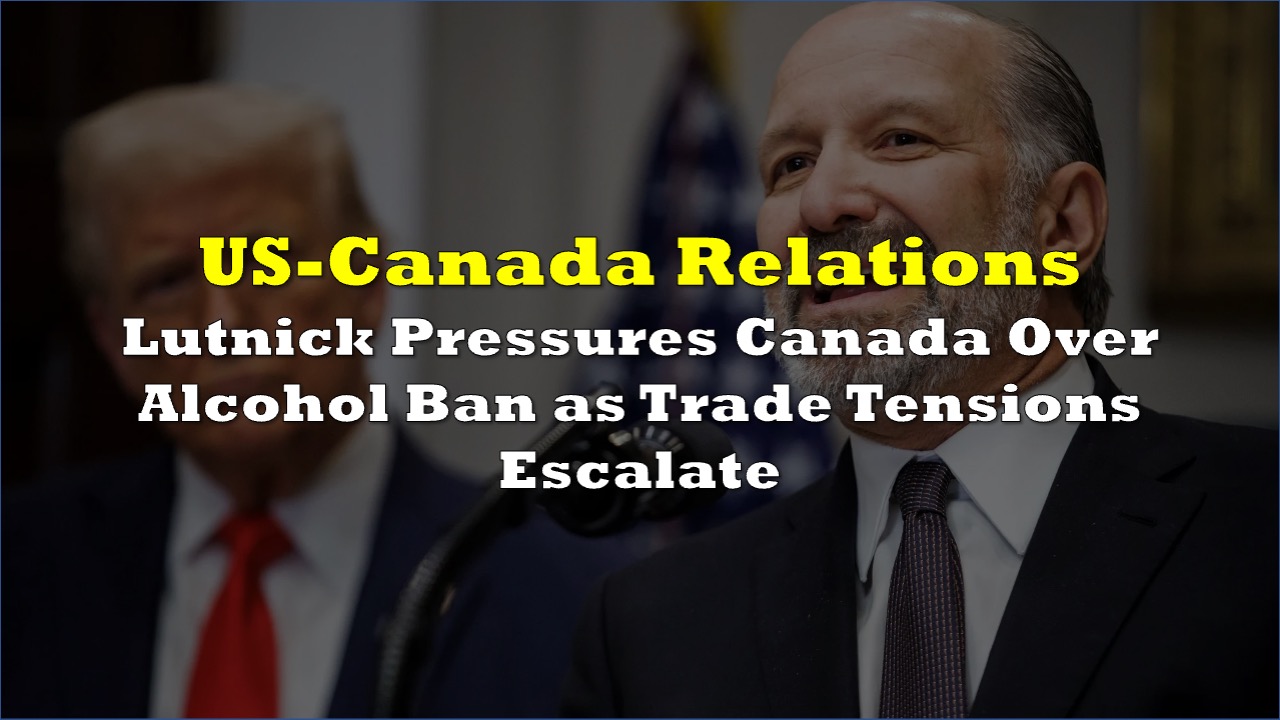
US Bans Canadian Alcohol and Dairy in Escalating Trade War
On September 8, 2026, the United States government escalated its ongoing trade dispute with Canada by issuing executive orders to ban imports of specific Canadian goods, including alcoholic beverages and motorbikes, while slapping heavy surcharges on other products starting September 15.
Executive Orders Target Alcohol, Dairy, and Motorbikes
The White House ramped up economic pressures late on Tuesday, September 8, 2026, targeting a fresh wave of Canadian products. President Donald Trump, a strict import ban targeting various alcoholic beverages and certain dairy products like whey will formally take effect on September 29, 2026. Simultaneously, a separate 50% surcharge will hit a wide array of Canadian exports—ranging from mattresses to motorboats and golf carts—beginning September 15, 2026.
This aggressive trade action directly responds to recent measures taken by Ottawa. Canada implemented new tariffs on American products to counter duties initially announced by Washington on August 22, 2026. A senior administration official, speaking to reporters on condition of anonymity, explained that the White House enacted these new trade barriers to maintain a level playing field, deter further foreign retaliation, and protect domestic manufacturing. The official added that Canadian authorities had been explicitly warned that retaliatory steps would trigger further escalation.
Justifications and the Battle Over Government Procurement
To justify the upcoming alcohol import ban, President Trump pointed to what he termed “discriminatory” provincial boycotts of American alcoholic beverages across Canada. Ever since the inception of the U.S. tariff offensive last year, Canadian consumers and provincial monopolies—which control the retail sale of wine and spirits in most provinces—have largely scrubbed U.S. products from store shelves.
The conflict expanded beyond physical goods when President Trump threatened to exclude Canadian products from federal purchasing initiatives. In a social media post earlier on Tuesday, September 8, 2026, President Trump directed federal officials to remove Canadian-origin items from the General Services Administration’s Multiple Award Schedules. This program governs long-term federal contracts worth over $50 billion annually. U.S. trade lawyer Ryan Majerus noted that this specific maneuver could significantly widen the scope of impacted goods far beyond traditional tariff schedules.
Meanwhile, Canadian leadership continues to adjust its economic posture. The government has sought to pivot away from heavy reliance on the United States, pursuing closer economic ties with European markets as bilateral negotiations collapsed last month.
Navigating Trade Disruption and Legal Compliance
As regulatory frameworks shift rapidly, businesses caught in the crossfire face severe operational hurdles. Supply chain managers and importers are currently scrambling to audit their inventory classifications to determine exposure under the new 50% tariff surcharges and upcoming bans. Ensuring strict adherence to changing customs rules requires specialized intervention. Organizations often rely on expertise to interpret rapidly drafted executive orders and mitigate severe financial penalties.

Furthermore, businesses pivoting their shipping lanes toward alternative international markets must overhaul their logistical frameworks. Engaging with customs brokerage services allows companies to process alternative manifests efficiently and maintain compliance across shifting North American and European borders. Corporate leaders are also consulting corporate compliance advisory networks to restructure contracts and protect long-term assets against ongoing geopolitical instability.
The widening trade rift signals a prolonged period of economic friction between neighboring allies. With secondary restrictions affecting government procurement and specialized goods alike, market participants must remain agile as both Ottawa and Washington weigh their next diplomatic moves.