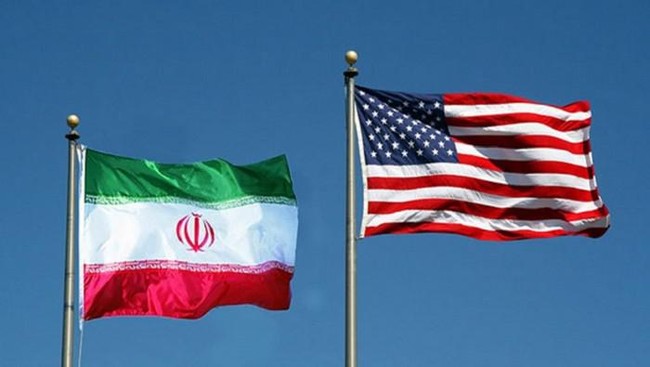
US and Iran Set to Resume Peace Negotiations
The U.S. And Iran failed to secure a peace deal after 21 hours of marathon negotiations in Pakistan. With a ceasefire potentially expiring and domestic tensions rising in Tehran, both nations are slated to return to the table this Thursday to prevent a full-scale escalation of the conflict.
This is not merely a diplomatic stalemate; it is a systemic failure of the “Islamabad Process” that threatens to destabilize the primary energy corridors of the Middle East. When high-stakes diplomacy collapses in a region this volatile, the ripple effects extend far beyond the negotiating table. We are looking at a macro-economic trigger that affects global shipping lanes, oil futures, and the security of transnational investments. The failure to reach an agreement after nearly a full day of continuous dialogue suggests a profound gap in the core requirements of both Washington and Tehran, leaving the global market in a state of precarious anticipation.
The 21-Hour Deadlock in Islamabad
The intensity of the recent talks in Pakistan was underscored by their duration. Twenty-one hours of direct negotiation—described as a “marathon”—ended without a signature. According to reports, the U.S. And Iran were unable to bridge the divide on the terms of a lasting peace, a failure confirmed by J.D. Vance. This deadlock indicates that the friction points—likely centered on sanctions, nuclear capabilities, and regional influence—remain as rigid as ever.
The “Islamabad Process” was designed to be the conduit for a resolution, with Pakistan positioning itself as the essential mediator. Though, the collapse of the first round has forced a pivot. Pakistan is now aggressively pushing for “Round 2” to salvage the diplomatic framework before the situation on the ground deteriorates further.
The U.S. And Iran fail to agree on a peace deal after 21 hours of talks, according to statements from Vance.
The failure of these talks creates an immediate vacuum of certainty. For multinational corporations operating in the region, this uncertainty is a liability. As the diplomatic window narrows, firms are increasingly relying on geopolitical risk consultants to model the fallout of a total ceasefire collapse and to develop contingency plans for asset protection in high-risk zones.
The Clock and the Ceasefire
Time is the primary enemy in this negotiation. The U.S. Is currently weighing the necessity of renegotiating with Iran before the existing ceasefire expires. The window between now and the upcoming Thursday session is critical; if the ceasefire lapses without a new agreement, the risk of kinetic escalation increases exponentially.
A return to active hostilities would not only be a humanitarian disaster but a logistical nightmare for global trade. The Strait of Hormuz remains one of the world’s most sensitive chokepoints. Any escalation in the Iran-U.S. Conflict typically results in immediate spikes in insurance premiums for maritime shipping and disruptions to the flow of crude oil.
The stakes are too high for guesswork. This is why global shipping conglomerates and energy providers are urgently consulting with global logistics firms to diversify their supply chains and find alternative routing that bypasses potential conflict zones. The goal is simple: resilience through redundancy.
Tehran’s Internal Pressure Valve
Even as the diplomats argue in Pakistan, the situation inside Iran adds a layer of unpredictable volatility. Reports indicate that the Iranian government is encouraging its citizens to remain active and present on the streets. This move is a classic signal of internal mobilization—either to project strength to the negotiating team in Islamabad or to prepare the domestic population for a shift in the conflict’s status.

When a state encourages street activity amidst failing peace talks, it suggests that the regime is hedging its bets. They are balancing the hope for a “normal” diplomatic future with the reality of potential escalation. This internal instability makes the Iranian side of the table even more unpredictable.
For foreign entities with interests in the region, the threat is no longer just military—it is operational. The risk of civil unrest and state-sponsored volatility requires a hardened approach to security. Multinational corporations are now onboarding elite global cybersecurity consultants and physical security experts to protect their digital and physical infrastructure from the fallout of regional instability.
Pakistan’s Strategic Gamble
Pakistan’s role in this conflict is a calculated move in soft-power diplomacy. By hosting the “Islamabad Process,” Pakistan is attempting to cement its status as a critical bridge between the West and the Islamic world. The push for “Round 2” is not just about peace; it is about Pakistan’s own strategic relevance on the global stage.
However, mediation is a double-edged sword. If the process fails entirely, Pakistan risks being associated with a collapsed peace effort. If it succeeds, it gains immense diplomatic leverage.
The complexity of the treaties and sanctions involved in any potential deal is staggering. Any agreement reached on Thursday will require a sophisticated legal architecture to survive the scrutiny of both the U.S. Congress and the Iranian leadership. This is where the role of international trade lawyers becomes paramount, as they must navigate the minefield of existing sanctions and the creation of new, legally binding trade frameworks that can withstand political shifts in either capital.
As we approach the Thursday negotiations, the global chessboard remains in flux. The failure of the first 21-hour marathon serves as a stark reminder that peace is not a default state, but a meticulously engineered outcome. Whether the “Islamabad Process” can deliver a breakthrough or whether the world must brace for the end of the ceasefire depends on the willingness of two adversaries to accept a compromise they both likely despise.
In an era of shifting alliances and raw power dynamics, the only certainty is volatility. For the corporate world, navigating this landscape requires more than just news—it requires a network of vetted experts. Whether you need to secure your supply chain, harden your digital assets, or restructure your international legal standing, the World Today News Directory provides the direct link to the global consultants and firms capable of managing the chaos of the modern geopolitical order.