US and Indonesia Announce Major Defense Partnership and Overflight Talks
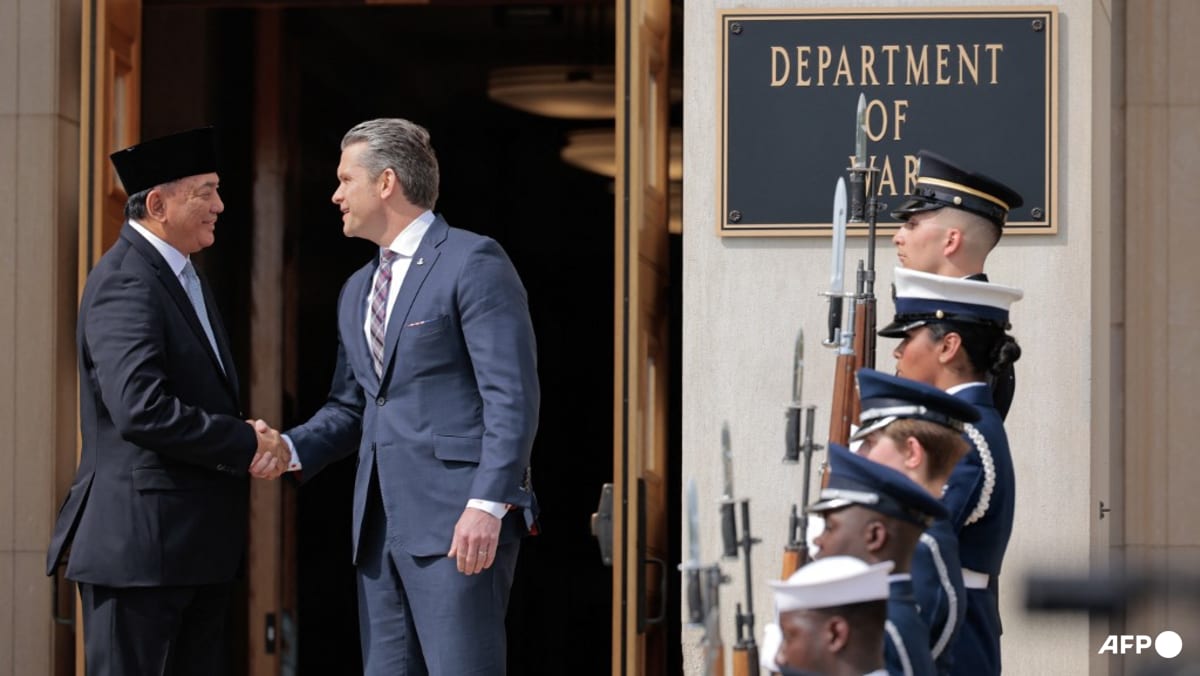
US Defense Secretary Pete Hegseth and Indonesian Defense Minister Sjafrie Sjamsoeddin signed a major defense cooperation partnership at the Pentagon on April 13, 2026. The agreement focuses on co-developing asymmetric capabilities and next-generation maritime and autonomous technologies to bolster regional deterrence and maintain stability across the Asia Pacific region.
On the surface, this is a victory for diplomacy. We are seeing two heavyweights in the Pacific formalize a relationship that has been simmering for decades. But as someone who has covered global diplomacy for over a decade, I know that the ink on a treaty is often the easiest part. The real challenge lies in the friction between strategic ambition and national sovereignty.
The core problem here is a classic geopolitical tug-of-war. Washington wants a seamless security architecture to maintain “peace through strength,” while Jakarta remains fiercely protective of its airspace and its tradition of non-alignment. This tension is already surfacing, creating a complex environment for the defense contractors and diplomatic entities tasked with implementing these high-tech goals.
The Blueprint for Asymmetric Superiority
This isn’t just a standard “friendship” agreement. The joint statement released by the Department of War outlines a shift toward “asymmetric capabilities.” In plain English, that means the two nations aren’t just trading hardware; they are looking to develop unconventional tools that can neutralize a larger opponent’s advantages.
The partnership specifically targets three high-stakes domains:
- Maritime Systems: Enhancing the ability to monitor and control vast oceanic territories.
- Subsurface Technology: Developing advanced underwater capabilities to secure deep-sea corridors.
- Autonomous Systems: Integrating AI-driven drones and unmanned vehicles into active defense frameworks.
Moving from a conceptual agreement to the actual co-development of “next-generation” tech is a regulatory minefield. Companies entering these ventures will find themselves entangled in strict export controls and intellectual property disputes. To navigate this, firms are increasingly relying on specialized international trade attorneys to ensure that “co-development” doesn’t lead to legal deadlock.
“This [partnership] signifies the strength and potential of our security relationship… bolsters regional deterrence, and advances our shared commitment to peace through strength,” Secretary Hegseth stated.
The Overflight Friction: A Sovereign Stumbling Block
Despite the celebratory atmosphere at the Pentagon, the reality on the ground in Jakarta is more cautious. Almost immediately following the announcement, Indonesia’s foreign ministry urged caution regarding a U.S. Proposal for military overflights in Indonesian airspace. This is where the “major” partnership hits a very real wall.
For the United States, overflight access is a logistical necessity for rapid response and deterrence in the Asia Pacific. For Indonesia, granting such access can be perceived as a compromise of national sovereignty or a tilt too far toward one superpower, potentially alienating other regional partners.
This diplomatic delicacy creates a volatile environment for logistical planning. When national ministries “urge caution,” it sends a signal to the private sector that permits and operational clearances may be delayed or revoked. Businesses managing regional movements are now consulting geopolitical risk analysts to hedge against sudden policy shifts in Southeast Asian airspace.
Scaling Trust: From Exercises to Integration
this partnership isn’t starting from zero. Secretary Hegseth highlighted that the U.S. And Indonesia already participate in more than 170 military exercises annually. That is a staggering amount of operational overlap.

The goal now is to move from cooperation (doing things together) to integration (building things together). The shift toward improving “operational readiness” suggests that the U.S. Wants Indonesia to be more than just a partner in drills; they aim for a highly capable, technologically synced ally in the region.
However, the gap between 170 exercises and a shared autonomous drone fleet is wide. The transition requires massive infrastructure upgrades and a synchronization of military protocols. As regional bases and facilities are upgraded to support these “sophisticated capabilities,” there is a growing need for certified defense infrastructure contractors capable of meeting the stringent security standards of both Washington and Jakarta.
The “major” nature of this agreement is undeniable, but its success depends on whether the U.S. Can respect the boundaries of Indonesian sovereignty while pushing for deeper integration. If the overflight dispute remains unresolved, the “peace through strength” mantra may find itself grounded by the very diplomacy it seeks to protect.
As this partnership evolves, the intersection of high-tech warfare and diplomatic caution will create latest opportunities and risks for those operating in the Asia Pacific. Whether you are a legal firm handling defense contracts or a logistics company navigating changing airspace laws, the ability to find verified, expert guidance is no longer optional—it is a strategic necessity. You can find the professionals equipped to handle these complexities within the World Today News Directory.