Urticaria Causes and Symptoms: How to Identify Skin Hives
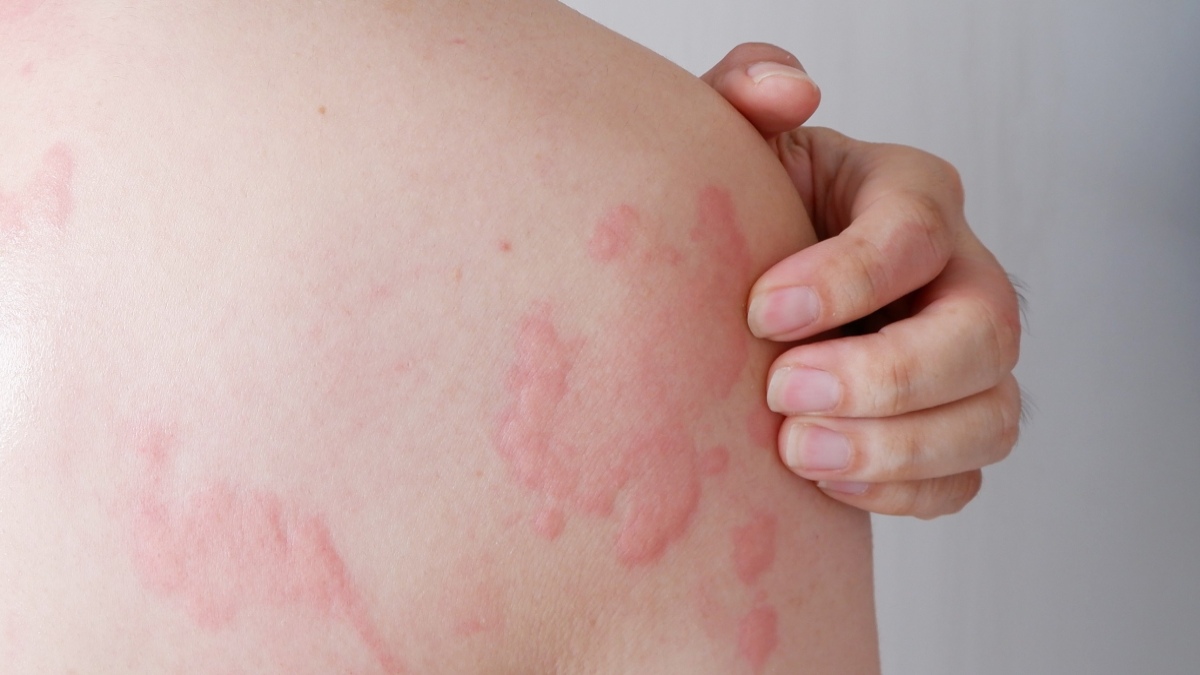
Sudden skin welts that shift across the body are frequently misidentified as insect bites, but clinicians warn they often indicate a medical condition known as urticaria. Unotv.com reported on October 1, coinciding with World Urticaria Day, that these localized cutaneous reactions require accurate differential diagnosis from health professionals.
- Skin welts that change location within a 24-hour window are characteristic of urticaria rather than typical insect bites.
- Allergies account for only 20% to 30% of urticaria cases, with infections, endocrine factors, and autoimmune processes driving the remaining presentations.
- Symptom persistence exceeding six weeks reclassifies the condition as chronic urticaria, requiring structured medical management.
World Urticaria Day Highlights Diagnostic Challenges
Skin reactions that appear, vanish, and re-emerge in entirely different anatomical zones often puzzle patients who assume a localized external irritant caused the irritation. During the August Health Summit, allergology and immunology specialist Dr. Ignacio Ansotegui explained to unotv.com that urticaria manifests primarily through localized or migratory wheals alongside intense pruritus. These raised lesions, medically termed wheals, can develop on virtually any body part, alter their morphology, and resolve without leaving permanent skin marks.
Distinguishing Allergies From Non-Allergic Triggers
While public perception tightly links skin hives to allergic triggers, clinical data shows that true allergic reactions represent a minority of diagnoses. Dr. Ansotegui noted that allergic factors drive only 20% to 30% of urticaria presentations. Non-allergic etiologies encompass infections, endocrine factors, and autoimmune responses. Physical urticarias can manifest in response to environmental stimuli such as cold, heat, pressure, friction, or physical exertion.
Psychological stress frequently coexists with flare-ups, serving as a biological amplifier rather than a root cause. Patients frequently report intense emotional strain surrounding the onset of visible outbreaks. This creates a compounding feedback loop where severe pruritus exacerbates patient stress levels, which in turn intensifies the physical discomfort.
Chronic Urticaria Disrupts Sleep and Emotional Well-Being
When wheals and angioedema persist for more than six weeks, the pathology is clinically categorized as chronic urticaria. In these prolonged cases, lesions manifest daily or near-daily, significantly disrupting patient sleep quality, daily functioning, and emotional well-being. The American Academy of Allergy, Asthma, and Immunology outlines multiple therapeutic interventions designed to control chronic symptoms, with treatment duration tailored to individual patient response.
Medical management focuses on achieving complete symptom suppression or remission. Because flare-ups remain highly unpredictable, patients experiencing recurrent, shifting skin lesions are advised to seek professional medical evaluation to identify specific internal triggers and establish a targeted treatment regimen.
Disclaimer: The information provided in this article is for educational and scientific communication purposes only and does not constitute medical advice. Always consult with a qualified healthcare provider regarding any medical condition, diagnosis, or treatment plan.