
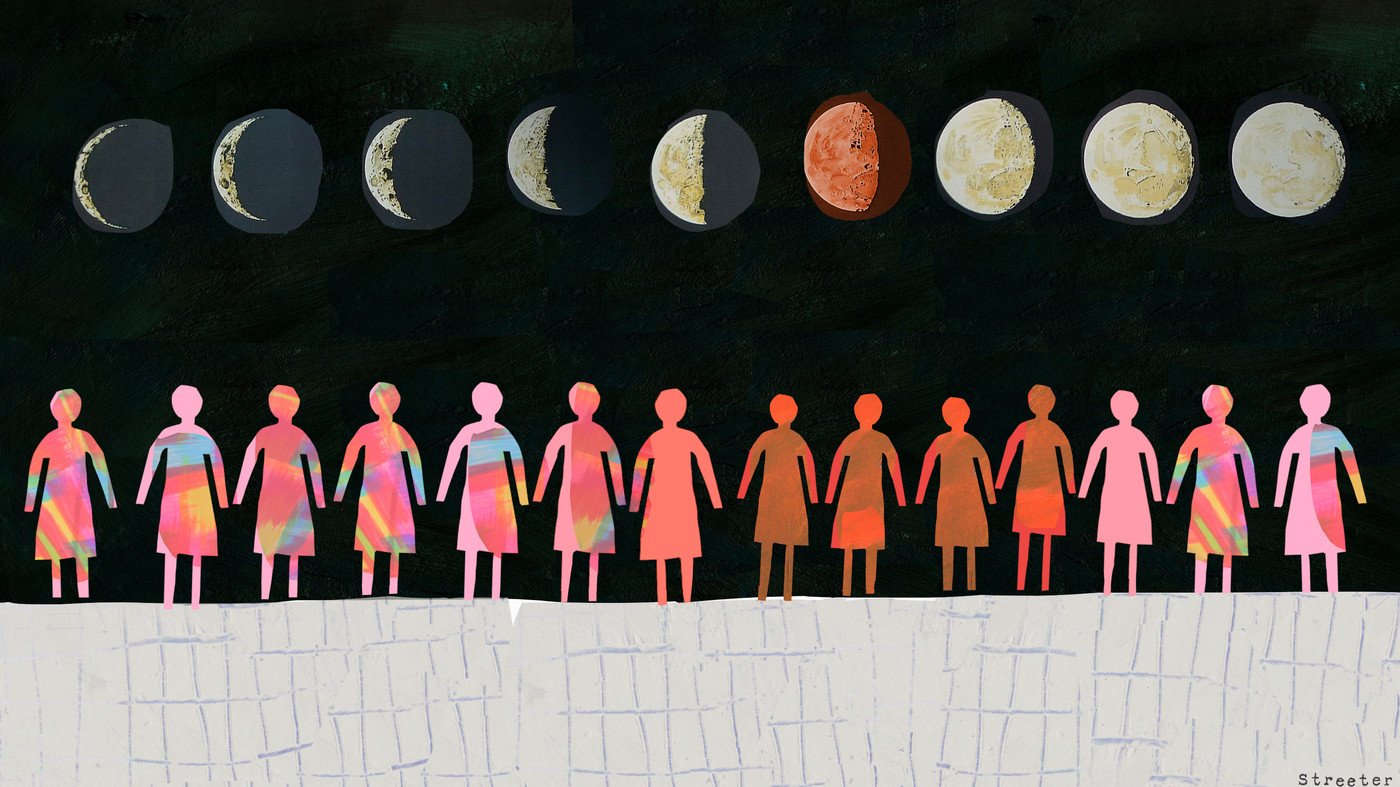
PMDD Drives Some Women to Suicidal Thoughts
Premenstrual Dysphoric Disorder (PMDD), a severe form of PMS, significantly impacts women’s mental health, sometimes leading to suicidal ideation. Despite effective treatments, PMDD remains underdiagnosed due to societal taboos and a lack of awareness within the medical community.
Understanding PMDD
PMDD is distinguished from PMS by the intensity of its symptoms. According to Dr. Benicio Frey, a psychiatrist, both conditions manifest with mental and physical symptoms one to two weeks before menstruation. Dr. Anum Aziz, an Obstetrician-Gynecologist, notes that PMDD’s severity often necessitates hospital care.
Symptoms can include depression, anxiety, and suicidal thoughts, severely disrupting daily life, work, and relationships. Psychotherapist Shifa Lodhi describes PMDD as “a severe, disabling mood disorder linked to your cycle… a hormonal hijacking of your brain chemistry.”
Approximately 3% of women suffer from PMDD. The Endocrine Society notes that PMDD affects roughly 1 in 20 women of reproductive age, and up to 30% of women with PMS may actually have PMDD (Endocrine Society).
The Science Behind PMDD
Unlike many mental health disorders, the cause of PMDD is well-defined: heightened brain sensitivity to hormonal changes, specifically estrogen and progesterone fluctuations. These hormonal shifts can disrupt serotonin levels and increase cortisol, creating a “chemical cocktail of despair, rage, and hopelessness,”
according to Shifa Lodhi.
Pre-existing conditions such as PTSD, mood disorders, PCOS, obesity, and thyroid issues can exacerbate PMDD. L*, an educator with PMDD and complex PTSD, shared that childhood traumas intensified her suicidal ideation.
The Link to Suicidal Thoughts
Individuals with PMDD have a significantly elevated risk of suicidal thoughts and attempts. Dr. Frey notes that for many, suicidal feelings are confined to the premenstrual phase. Some patients require hospitalization during this period due to safety concerns.
One patient told Shifa Lodhi, “I think I’m a monster for 10 days every month… then my period comes, and I’m okay again but ashamed.”
For M*, another woman battling PMDD, the condition is a cycle of pain, fatigue, and neurological disruption.
Barriers to Awareness and Treatment
Societal taboos surrounding women’s bodies and mental health contribute to the underdiagnosis and lack of awareness of PMDD. Shifa Lodhi points out that “science was built for men, by men,”
leading to a historical neglect of female health issues in research and medicine.
Dr. Aziz highlights the stigma around psychiatric help in some communities, where families prioritize marriage prospects over mental health treatment. L* echoes this, expressing reluctance to discuss suicidal thoughts due to fear of judgment.
Pathways to Treatment and Support
Accurate diagnosis, involving two-month symptom charting, is crucial for effective treatment. Dr. Frey recommends tracking mental symptoms using the DSM scale. Treatments range from serotonin-based antidepressants and oral contraceptives to natural compounds like Chasteberry.
A multi-faceted approach, focusing on mental well-being and lifestyle choices, is essential. Shifa Lodhi advocates for talk therapy and CBT, while M* calls for more accessible mental health resources tailored to hormonal disorders. Support groups like IAPMD and PMDD Canada offer valuable peer support and information, according to Dr. Frey.
Taking Action and Raising Awareness
Shifa Lodhi urges everyone to “Normalize it. De-shame it. And create spaces where people can say, ‘I think I have PMDD’ without being dismissed.”
Increased awareness can lead to earlier diagnosis, validating individuals’ experiences and enabling them to manage their symptoms.
L* emphasizes the need for therapists to take the lead in educating the public, stating, “It’ll be up to the psychologists or therapists to put out videos, explainers, things like that, that have outreach, especially for our population.”
By fostering open conversations and providing accessible resources, society can empower individuals with PMDD to seek help and improve their quality of life. Shifa Lodhi concludes, “If people knew suicidal thoughts were hormonally driven and treatable, they’d get help instead of feeling broken. Awareness doesn’t just validate Pakistani women’s experience, it saves lives.”
