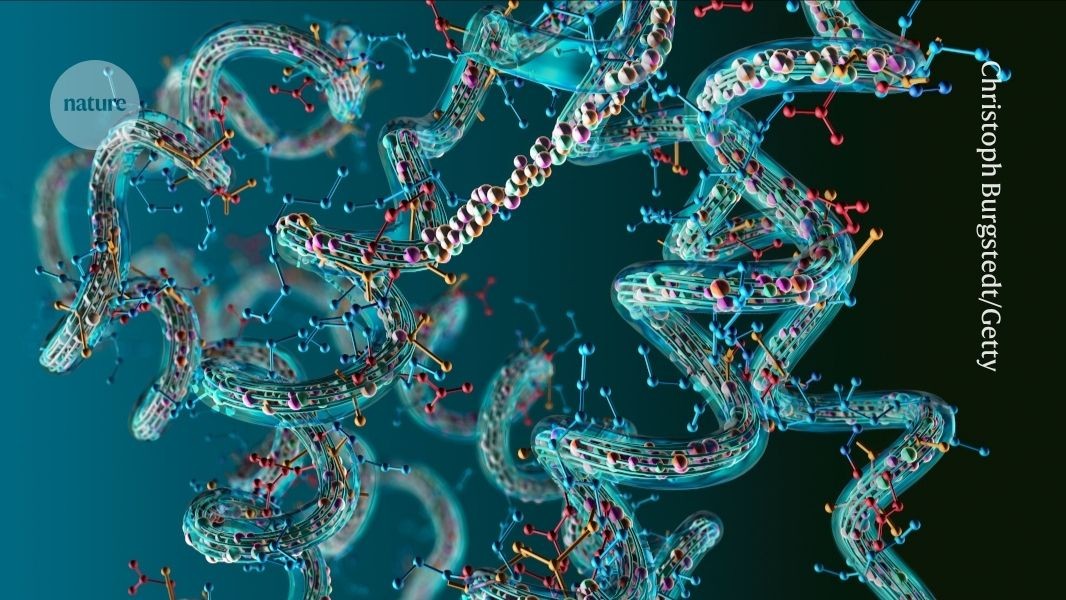
Unlocking the Dark Proteome: New Discoveries in the Human Genome
For decades, the central dogma of molecular biology suggested we had mapped the blueprint of human existence. However, a burgeoning body of research is revealing that a vast, invisible architecture—the “dark proteome”—has been hiding in plain sight, fundamentally altering our understanding of how diseases manifest and how we might treat them.
Key Clinical Takeaways:
- Researchers have identified a new category of molecules, including microproteins and peptideins, derived from regions of the genome previously dismissed as “non-coding” or “junk” DNA.
- The discovery of the “dark proteome” suggests the human genome encodes significantly more functional genes than earlier estimates indicated.
- These previously undetected proteins are now being linked to the pathogenesis of various human diseases, opening new avenues for targeted therapeutic intervention.
The clinical discrepancy has long been a point of contention: why does the human genome, with its relatively modest number of protein-coding genes, produce such immense biological complexity? The answer lies in the “dark proteome.” This refers to the collection of proteins that have escaped detection due to their small size, low abundance, or unstable nature. While traditional proteomics focused on large, stable proteins, new high-sensitivity assays and computational models are uncovering microproteins and peptideins—tiny but potent signaling molecules that regulate everything from cellular metabolism to immune responses.
This expansion of the human proteome is not merely an academic exercise in cataloging. It represents a paradigm shift in how we approach undiagnosed conditions. Many patients present with phenotypic expressions of disease that cannot be explained by mutations in known protein-coding genes. For these individuals, the “dark” regions of the genome may hold the key. When standard genomic sequencing fails to provide answers, it is becoming increasingly critical for clinicians to refer patients to certified genetic counselors who can navigate the complexities of non-coding variant analysis and emerging proteomic data.
The Mechanism of Microproteins and Peptideins
The biological engine driving this discovery is the identification of small Open Reading Frames (sORFs). Historically, any sequence of DNA that did not produce a large, obvious protein was labeled as non-coding. We now know that the cell often translates these “dark” regions into microproteins. These molecules frequently act as precise regulators, modulating the activity of larger proteins or acting as ligands that trigger specific cellular pathways.
The global effort to map this landscape is heavily reliant on mass spectrometry and advanced bioinformatics. By comparing the actual proteins present in a cell (the proteome) against the predicted sequences from the genome, researchers are finding “peptideins”—short peptides that function as independent biological units. This suggests that our translational efficiency is far more nuanced than previously believed, with the cell selectively activating these dark proteins in response to specific stressors or developmental cues.

“The discovery of the dark proteome is akin to finding a second, hidden map of the human body. We are realizing that the ‘silence’ of non-coding DNA was actually a sophisticated layer of regulation that we simply lacked the tools to hear.”
This research is largely fueled by a combination of public academic grants and international consortia, with significant funding coming from national health institutes and university-led initiatives focused on proteomics. The integration of this data into clinical practice requires a rigorous validation process to ensure that these microproteins are not merely “translational noise” but are functionally significant to human health.
Clinical Implications for Disease Pathogenesis
The implications for drug discovery are profound. Many of the most challenging diseases—including certain neurodegenerative disorders and aggressive cancers—are characterized by a breakdown in proteostasis (the balance of protein production and degradation). If the dark proteome contains the master regulators of these processes, they represent a goldmine for new drug targets.
In oncology, for instance, some microproteins may act as oncogenes, driving tumor growth in ways that traditional protein analysis cannot detect. Conversely, others may act as natural tumor suppressors. By identifying these molecules, pharmaceutical companies can develop highly specific biologics that target the dark proteome without interfering with the primary functions of larger, essential proteins. This precision reduces the risk of systemic toxicity and improves the therapeutic index of new treatments.
As these targets move from discovery to development, the regulatory landscape is shifting. The introduction of peptide-based therapies requires specialized stability testing and delivery mechanisms. Biotechnology firms are increasingly engaging biotechnology regulatory consultants to ensure that these novel molecular entities meet the stringent safety and efficacy standards required for FDA and EMA approval.
From Genomic Mapping to Proteomic Diagnostics
The transition from understanding the dark proteome to utilizing it in a clinical setting requires a new generation of diagnostic tools. Standard blood tests and biopsies are often blind to microproteins. The future of diagnostics lies in deep proteomic profiling, which can detect the presence of specific “dark” biomarkers that signal the earliest stages of disease, often before any physical symptoms appear.

This shift toward proteomic-driven medicine allows for a more granular approach to triage. Instead of treating a disease based on a broad category, physicians can tailor interventions based on the specific peptide profile of a patient’s tumor or neural tissue. To facilitate this, healthcare systems are integrating specialized proteomic diagnostic centers into their referral networks, ensuring that high-resolution molecular data is available to the treating physician in real-time.
“We are moving beyond the ‘one gene, one protein’ model. The reality is a fluid, dynamic system where small peptides can pivot the entire trajectory of a disease state. The goal now is to learn how to flip those switches.”
The current trajectory of this research suggests that the boundary between “coding” and “non-coding” DNA will eventually vanish. As we refine our ability to detect these mysterious proteins, we will likely discover that the dark proteome is not an exception to the rule, but a fundamental component of human biology. The challenge for the medical community will be to integrate this vast amount of new data into a coherent framework for patient care, moving from a genome-centric view to a proteome-centric one.
While we are still in the early stages of therapeutic application, the identification of these molecules provides a roadmap for the next decade of precision medicine. By illuminating the dark proteome, we are not just expanding a list of molecules; we are uncovering the hidden levers of human health. For those navigating the complexities of rare genetic disorders or resistant cancers, these discoveries offer a renewed sense of hope and a more precise path toward recovery through vetted, specialized medical expertise.
Disclaimer: The information provided in this article is for educational and scientific communication purposes only and does not constitute medical advice. Always consult with a qualified healthcare provider regarding any medical condition, diagnosis, or treatment plan.