Unlocking Africa’s Pension Funds for Productive Investment
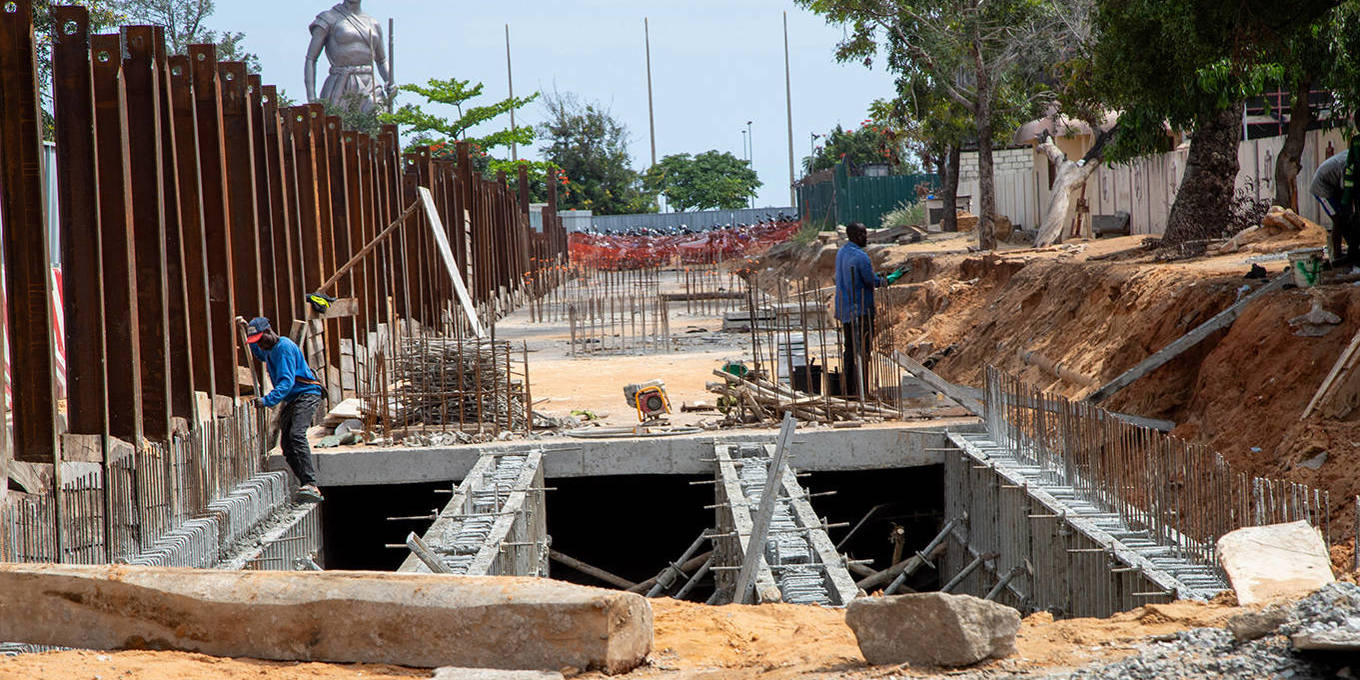
African pension funds and institutional investors are pivoting from low-yield sovereign bonds toward productive private equity and infrastructure to unlock hundreds of billions in dormant capital. This strategic shift aims to bridge the continent’s massive infrastructure gap even as diversifying portfolios against volatile government debt markets across Sub-Saharan Africa.
The fiscal paradox is stark. Africa is sitting on a goldmine of long-term savings, yet the “plumbing” of its financial markets is antiquated. For decades, pension fund managers have played it safe, parking liquidity in government securities. The result? A bloated sovereign debt market and a starving private sector. When capital is trapped in bonds, the real economy—factories, power grids, and digital logistics—suffers from a chronic lack of liquidity.
This inefficiency creates a massive opening for institutional restructuring. As funds seek higher alpha, they are hitting a wall: a lack of scalable, bankable projects. To move the needle, these institutions require sophisticated corporate legal advisors capable of structuring complex public-private partnerships (PPPs) that mitigate political risk and ensure currency stability.
The Liquidity Trap: Why Sovereign Bonds Are No Longer Enough
The obsession with government paper has reached a breaking point. With inflation eating into real returns in several key markets, the nominal yields on sovereign bonds are deceptive. Institutional investors are realizing that “safe” assets are actually eroding purchasing power. The shift toward “productive investment” isn’t just a trend; it is a survival mechanism for fund managers tasked with meeting long-term solvency requirements.
To understand the scale of the problem, one must look at the yield curve. In many African jurisdictions, the spread between government bonds and private corporate debt is distorted. This creates a “crowding out” effect where the state absorbs all available credit, leaving mid-cap enterprises to struggle with prohibitive interest rates. This represents where the B2B ecosystem must step in. Companies needing to scale are now bypassing traditional banks and seeking investment banking firms that can facilitate direct placements and private equity infusions.
“The challenge isn’t a lack of capital; it’s a lack of investable pipelines. We have the liquidity, but we lack the standardized frameworks to move that capital from a pension ledger into a solar farm or a toll road without incurring unacceptable risk.” — Marcus Thorne, Chief Investment Officer at a leading Pan-African Asset Manager.
The volatility of the 2024-2025 period underscored this fragility. When sovereign credit ratings dip, pension funds find themselves over-exposed to a single counterparty: the state. Diversification into real assets—infrastructure, logistics, and tech-enabled agriculture—is the only hedge against this systemic risk.
The Macro Blueprint: Three Pillars of Capital Mobilization
Transitioning from a bond-heavy portfolio to a productive asset base requires more than just a change in mindset; it requires a complete overhaul of the financial architecture. Based on current market trajectories for the 2026 fiscal year, the transition is unfolding across three primary vectors:

- The Rise of Blended Finance: By using concessional capital from development finance institutions (DFIs) to “de-risk” the first loss position, pension funds can enter projects that previously looked too risky on a risk-adjusted basis. This creates a synthetic credit enhancement that makes infrastructure projects bankable.
- Standardization of Private Equity: The move toward more transparent, SEC-style reporting and rigorous auditing allows institutional investors to trust the EBITDA margins and valuation multiples of local firms. This transparency is being driven by a surge in demand for international auditing and accounting services to certify local assets for global standards.
- Secondary Market Development: For a pension fund to invest in a 20-year bridge project, it needs an exit strategy. The development of liquid secondary markets for infrastructure assets allows funds to trade their positions, providing the liquidity that was previously only found in the bond market.
The math is simple: if you can move 10% of the continent’s pension assets into productive equity, you trigger a multiplier effect across the entire GDP.
The Infrastructure Gap and the Cost of Capital
According to the World Bank’s infrastructure data, the funding gap for African infrastructure remains in the hundreds of billions. The cost of capital is the primary hurdle. When a project is financed via expensive short-term commercial loans, the internal rate of return (IRR) often collapses. However, when funded by long-term pension capital—which has a matching liability profile—the project becomes viable.
This alignment of durations is the “holy grail” of financial engineering. Pension funds have long-term liabilities (paying retirees in 30 years) and need long-term assets (a bridge that generates tolls for 30 years). Currently, this synergy is being wasted.
“We are seeing a fundamental shift in the risk appetite of African institutional investors. They are no longer asking ‘Will this work?’ but rather ‘How do we structure the governance to protect the downside?'” — Sarah Mensah, Senior Partner at a leading Emerging Markets Private Equity Fund.
The bottleneck remains the “origination” phase. There are thousands of viable projects, but few have the professional business plans or financial models required to attract a billion-dollar fund. This gap is fueling a boom in boutique consultancy firms that specialize in project preparation and financial modeling.
The 2026 Outlook: From Savings to Growth
As we look toward the next few fiscal quarters, the momentum is undeniable. The integration of fintech and blockchain for asset tokenization is beginning to allow pension funds to take smaller, more granular stakes in a wider variety of projects, further diversifying risk. We are moving away from the “big bet” mentality toward a diversified portfolio of productive assets.

The risk of inaction is stagnation. If Africa continues to rely on sovereign debt to fund its growth, it remains hostage to the whims of global interest rate cycles and the volatility of the US Dollar. By putting domestic savings to work, the continent creates a self-sustaining cycle of investment and growth that is insulated from external shocks.
For the corporate entity, the opportunity is clear. Whether you are an infrastructure developer, a tech disruptor, or a professional services provider, the capital is there—it is simply waiting for the right vehicle. Navigating this new landscape requires vetted partners who understand the intersection of local regulatory hurdles and global financial standards. The World Today News Directory remains the definitive resource for connecting institutional capital with the enterprise service providers capable of turning these billions in savings into a new era of African industrialization.